In today’s metal construction environment, safety is more than a requirement — it’s a defining factor in project success. As jobsites become more complex and timelines more compressed, companies that prioritize safety are not only protecting their workforce, but also improving productivity, strengthening reputations, and staying competitive.
Building a stronger safety culture in 2026 requires more than awareness — it demands action at every level of a company. From recognizing the unique risks of metal construction to reinforcing training, accountability, and worker well-being, today’s approach to safety is both more comprehensive and more connected than ever.
What Hazards Are Unique to Metal Construction Jobsites?
Metal construction presents a distinct set of challenges that require specialized awareness and planning. From working at height during steel erection and roofing to handling large, prefabricated components, the risks are both dynamic and high-impact.
Common hazards include:
- Falls from elevated structures, requiring proper harnesses, guardrails, and fall arrest systems
- Heavy material handling using cranes and rigging equipment
- Laceration risks from sharp metal edges and components
- Tool-related hazards from cutting, drilling, and fastening systems
- Exposure to weather conditions that impact metal surfaces, including heat, wind, and ice
These environments demand more than general safety knowledge — they require coordination, communication, and proactive risk management at every stage of the job.
Why Safety Protocols Matter More Than Ever
In 2026, safety protocols go far beyond basic compliance — they define how work gets done on today’s jobsites. For metal construction companies, effective safety programs are built on a combination of clear standards, consistent training, and a culture that reinforces safe behavior at every level.
Key safety protocols include the proper use of personal protective equipment (PPE), standardized procedures for working at height and handling materials, ongoing training and communication, and a growing emphasis on mental health and worker well-being. Together, these elements create a more structured, proactive approach to managing risk.
The following areas highlight the core components of a modern safety program — and where companies should focus to build stronger, safer jobsites.
PPE Is the Baseline — Not the Strategy
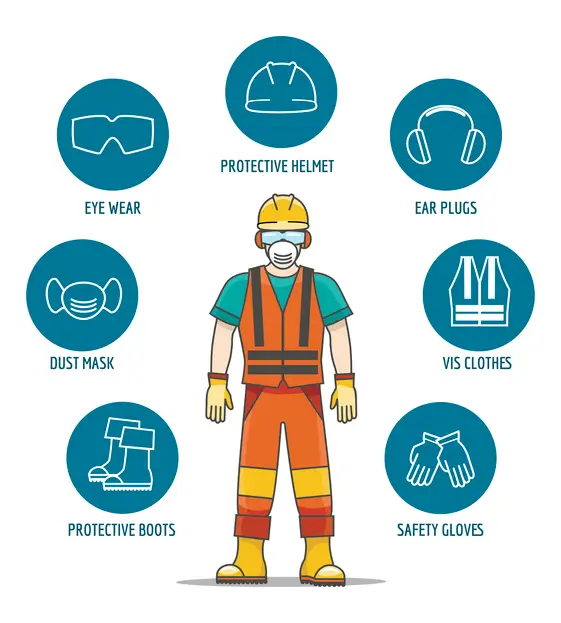
Personal Protective Equipment (PPE) remains essential on every jobsite, including helmets, gloves, protective footwear, and eye and ear protection. High-visibility gear and task-specific equipment also play a critical role in reducing risk.
Recent updates from Occupational Safety and Health Administration (OSHA) reinforce just how critical PPE is to worker safety. As of January 2025, OSHA now explicitly requires that PPE provided to construction workers must properly fit each individual — clarifying that ill-fitting gear can reduce protection, create new hazards, or discourage consistent use.
But PPE alone doesn’t create a safe jobsite.
A strong safety culture ensures that equipment is properly fitted, consistently used, and reinforced through training and leadership. It also addresses “PPE fatigue” — when workers become less vigilant over time — by keeping safety top of mind through engagement and accountability.
Building a True Safety Culture
The most effective safety programs go beyond rules and checklists. They are built on a culture where safety is shared, visible, and actively reinforced.
Key elements include:
- Leadership presence on jobsites, demonstrating that safety is a priority at every level
- Empowering workers to speak up and stop work if conditions are unsafe
- Encouraging near-miss reporting to identify and address risks early
- Conducting meaningful, interactive toolbox talks — not just routine meetings
- Aligning subcontractors and crews around consistent safety expectations
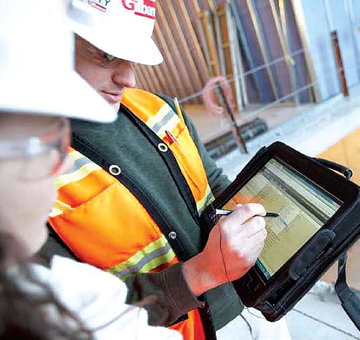
Many companies are also leveraging digital tools to strengthen safety culture — using mobile reporting apps, real-time communication platforms, and data tracking to identify patterns and address risks earlier. When paired with strong leadership and accountability, these tools help turn safety from a reactive process into a proactive, continuously improving system.
When safety becomes part of everyday decision-making — not just a requirement — it leads to stronger outcomes across the board.
Mental Health and Well-Being: A Critical Safety Factor
As the industry evolves, so does the understanding of what impacts jobsite safety. Mental health, fatigue, and stress are now recognized as critical factors in preventing incidents.
Physically demanding work, long hours, and high-pressure environments can affect focus and decision-making. Addressing these challenges means:
- Promoting awareness around fatigue and burnout
- Supporting open conversations about mental health
- Providing access to resources when workers need help
- Creating a culture where looking out for one another is the norm
Some companies are also beginning to explore wearable technology and monitoring tools to better understand fatigue and workload — adding another layer of awareness to support worker safety and well-being.
A safer jobsite is one where workers are supported both physically and mentally.
Training, Standards, and Industry Resources
Construction companies don’t have to build their safety programs alone. A wide range of industry resources are available to support best practices and continuous improvement.
Organizations like the Metal Building Contractors and Erectors Association (MBCEA) offer valuable tools such as the Metal Building Jobsite Safety Reference Guide, while industry publications and safety-focused organizations continue to provide updated insights and training approaches.
While many foundational resources remain relevant, today’s safety strategies are increasingly data-driven, proactive, and focused on behavior — reflecting the industry’s shift toward long-term cultural change.
Safety Week 2026: Commit to Safer Jobsites Today
Initiatives like Construction Safety Week, sponsored by the Association General Contractors of American (AGC) and the Associated Builders and Contractors (ABC), serve as an important reminder that safety is a shared responsibility across the industry.
The 2026 theme, “All In Together,” emphasizes three core principles: recognize hazards early, respond with effective controls, and respect the role every individual plays in maintaining a safe jobsite. It’s a call for companies to move beyond awareness and take meaningful action.
Safety Week isn’t just an event — it’s an opportunity to reset, refocus, and strengthen safety culture across every project and every team. Companies can take part by organizing daily toolbox talks, conducting jobsite safety stand-downs, and engaging teams with focused discussions around hazard recognition and prevention. Construction Safety Week resources are also available to support participation, including planning guides, training materials, and communication tools that make it easier to bring safety conversations to life across the jobsite.
Building Safer Jobsites Starts Now
Creating a stronger safety culture doesn’t happen overnight. It requires ongoing commitment, practical training, and access to the right resources to keep teams informed and prepared.
That’s where METALCON plays a critical role.
From on-demand webinars in the METALCON Online library to live demonstrations of large-scale equipment at METALCON 2026, safety is embedded throughout the event experience. Attendees can explore real-world applications, learn directly from industry experts, and see best practices in action —including emerging tools and technologies that are helping teams identify and reduce risk in real time.
METALCON also offers in-depth education through certification programs, hands-on workshops, and interactive training at The Training Zone — giving you the opportunity to build skills that translate directly to safer, more efficient jobsites.
As safety expectations continue to evolve, staying current isn’t optional — it’s essential. METALCON brings together the tools, knowledge, and community to help construction professionals strengthen their safety programs and stay ahead.