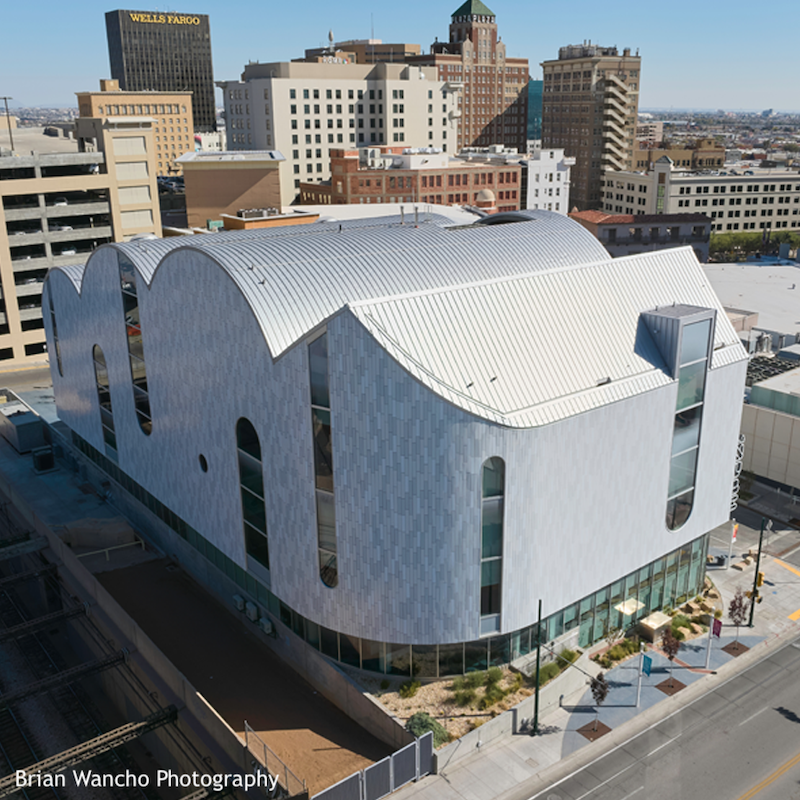
Metal building design is becoming increasingly complex as building systems grow more integrated and performance expectations continue to rise. Today’s projects must balance structural efficiency with energy performance, envelope coordination, evolving code requirements, and long-term resilience — often within tighter schedules and more demanding delivery conditions.
In this environment, early design decisions carry more weight than ever. Choices made during initial planning stages can influence everything from constructability and thermal performance to durability and lifecycle cost.
Rather than focusing on avoiding mistakes, the opportunity lies in something more valuable: making the right design decisions early — so buildings perform as intended from the start.
In this installment of the “Beyond the Roof” series, we explore key early-stage considerations that help architects design metal buildings right the first time.
Why Early Coordination Matters More Than Ever
Metal buildings operate as highly integrated systems. Structural framing, insulation strategies, air and vapor barriers, daylighting, rooftop equipment, mechanical systems, and cladding assemblies all influence one another.
When those systems are designed independently — or coordinated too late — projects often encounter downstream conflicts that can lead to redesigns, field modifications, performance gaps, or long-term maintenance concerns.
The most successful projects take a different approach: they prioritize collaboration early, bringing architects, engineers, fabricators, contractors, and envelope specialists into the conversation before key decisions are finalized.
That proactive mindset helps teams move beyond “error prevention” toward something more valuable: optimized building performance.
1. Don’t Make the Building Envelope an Afterthought
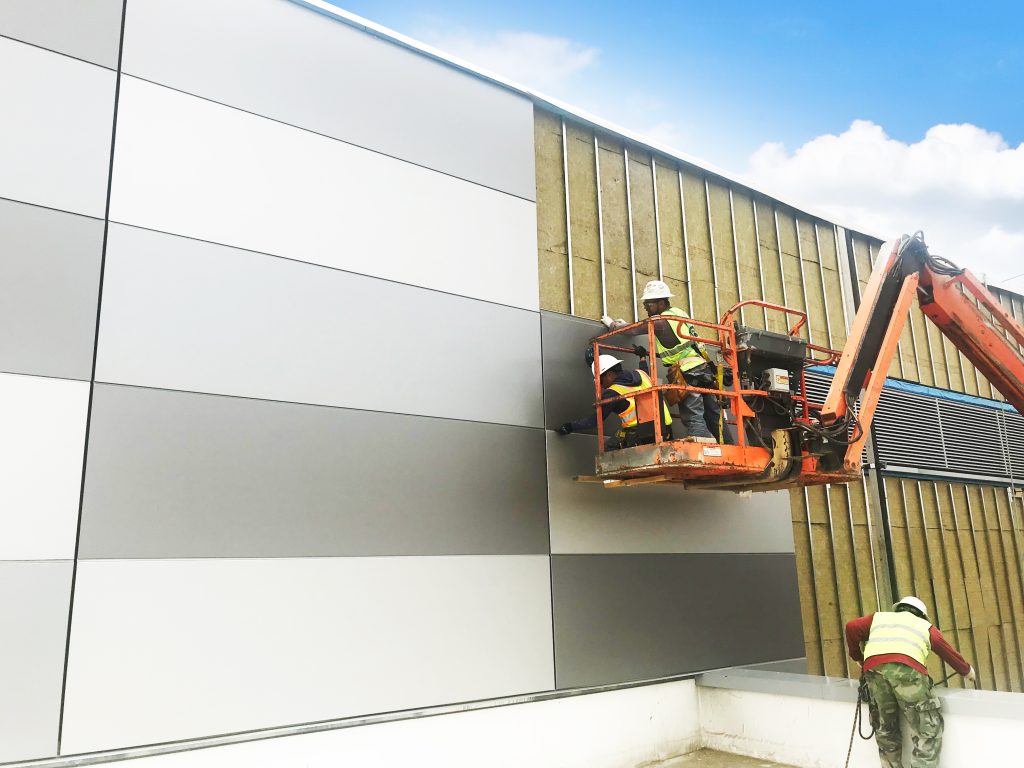
One of the most common issues in metal building design is addressing the envelope too late in the process.
Insulation systems, vapor control, ventilation strategies, air barriers, and panel assemblies directly impact thermal performance, condensation management, occupant comfort, and durability. Yet these systems are often coordinated after structural and mechanical decisions have already been made.
That can create conflicts around penetrations, attachment systems, thermal continuity, and moisture control.
As explored in the previous “Beyond the Roof” blog, today’s high-performance envelope systems — including insulated metal panels (IMPs) — are helping architects meet increasingly demanding performance requirements while streamlining installation and enhancing design flexibility.
Why it matters: In metal buildings, envelope performance protects more than energy efficiency. Poor coordination can contribute to condensation on steel framing, corrosion of panels and fasteners, coating degradation, and reduced system lifespan.
2. Structural and Mechanical Systems Must Be Coordinated Early
Mechanical equipment, suspended loads, solar arrays, mezzanines, and future expansion requirements are frequently introduced after major structural decisions have already been finalized.
In metal buildings, those late-stage additions can significantly impact framing depths, connection design, roof loads, and panel layouts.
Even relatively small modifications may trigger redesigns or field adjustments.
Why it matters: Early coordination between architectural, structural, and mechanical teams improves constructability while helping buildings accommodate both current and future operational demands.
3. Site Orientation Impacts Long-Term Performance

A building’s placement on the site affects far more than access and aesthetics.
Orientation decisions influence solar heat gain, prevailing wind exposure, drainage patterns, snow drifting, daylighting opportunities, and ventilation effectiveness — all of which directly impact building performance over time.
Likewise, inadequate site preparation or incomplete geotechnical evaluation can create foundation settlement issues that affect structural alignment and cladding performance.
Why it matters: Metal building systems rely on tight tolerances and carefully engineered load paths. Environmental conditions should inform design decisions early, not after layouts are finalized.
4. Metal Buildings Should Be Designed for Adaptability
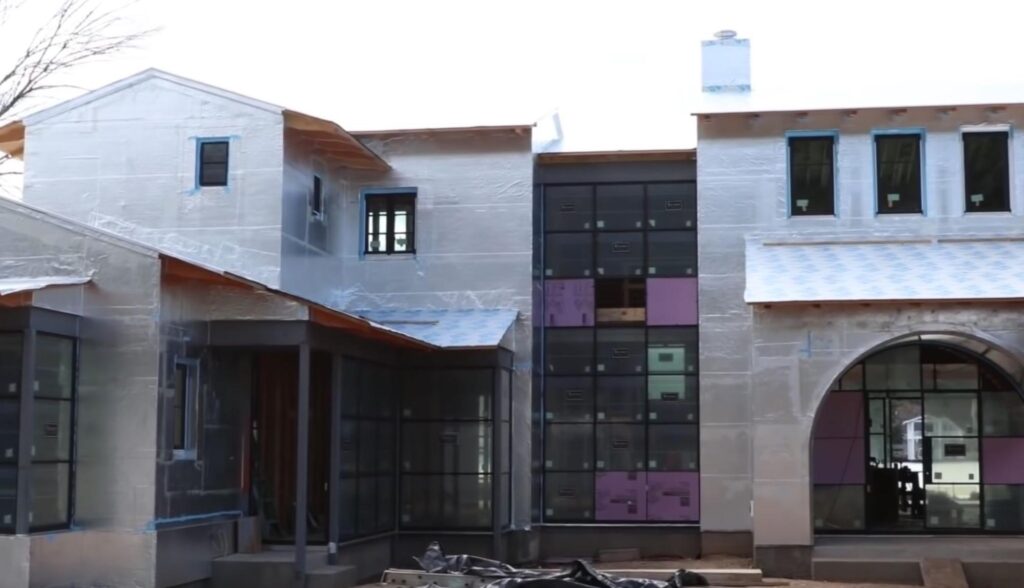
Metal buildings are frequently expected to evolve throughout their lifecycle. Operational growth, equipment changes, rooftop additions, expanded storage requirements, and future retrofits are all common.
Yet many projects are still designed around present-day requirements only.
Failing to account for future adaptability can limit expansion opportunities and create expensive structural modifications later.
Why it matters: Designing for flexibility doesn’t necessarily mean overbuilding. It means making strategic decisions early that support long-term performance and resilience.
5. Code Compliance Works Best as an Early Design Strategy
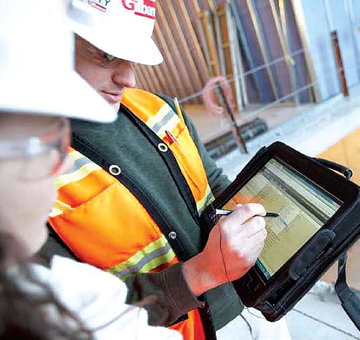
With evolving energy standards, resilience requirements, and stricter building performance expectations, code compliance can no longer function as a late-stage checklist item.
Today’s projects require integrated coordination between structural performance, thermal efficiency, fire safety, air barrier continuity, and sustainability goals from the outset.
Why it matters: Early code integration helps teams avoid redesigns, permitting delays, and performance gaps while delivering buildings better equipped for long-term durability.
Better Design Starts with Better Questions
The most successful metal building projects don’t begin with product selection alone. They begin with thoughtful planning and the right coordination conversations early in the process.
Architects should consider:
- How will the building function today — and five or ten years from now?
- How will envelope systems integrate with structural and mechanical systems?
- What environmental conditions will most impact performance?
- What future loads or expansions may need to be accommodated?
- How can design decisions improve constructability and reduce lifecycle costs?
- Are all project stakeholders coordinating early enough?
Answering those questions upfront creates opportunities for smarter detailing, improved energy performance, greater resilience, and fewer downstream surprises.
Designing Smarter with METALCON Resources
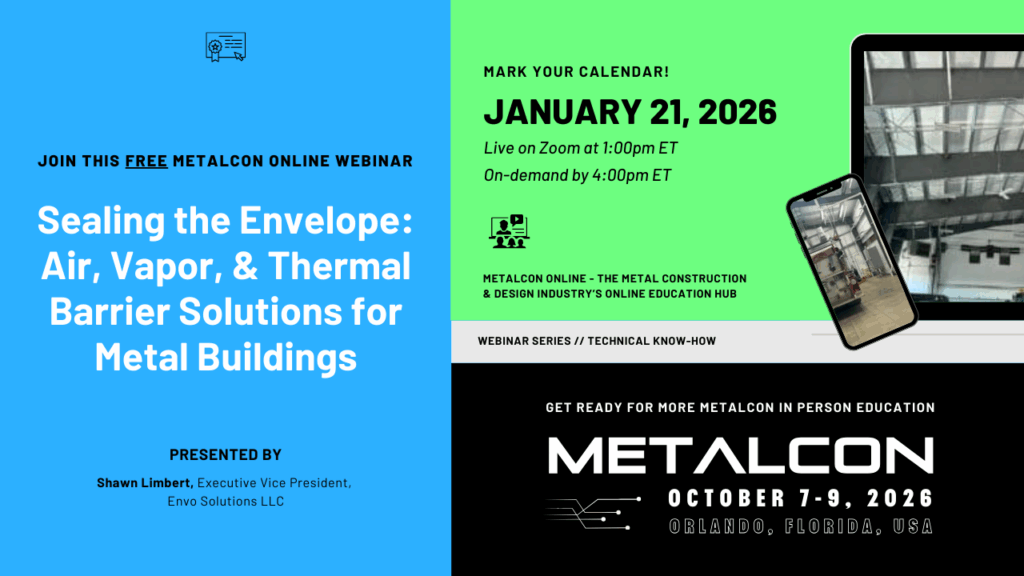
One place to go deeper: the METALCON Online educational library includes a session directly relevant to what we’ve covered here — Sealing the Envelope: Air, Vapor, & Thermal Barrier Solutions for Metal Buildings, presented by Shawn Limbert of Envo Solutions LLC. It explores how air, vapor, and thermal barrier systems influence energy efficiency, condensation control, code compliance, and long-term durability.
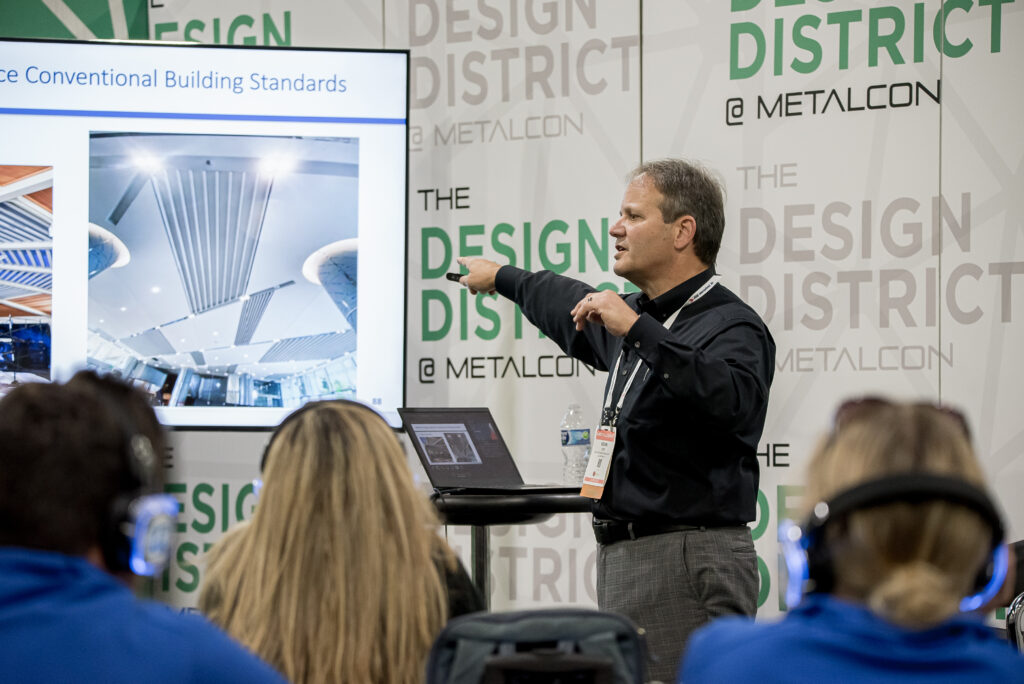
Beyond that session, METALCON offers year-round resources for architects, engineers, and specifiers looking to stay current — from technical webinars on envelope performance and sustainability to the Design District @ METALCON, created specifically for design professionals shaping the future of metal construction. As metal construction continues to evolve, access to technical education and industry expertise is becoming increasingly important for architects and design professionals.
Architects, engineers, and specifiers can explore:
- METALCON Online’s educational library featuring webinars and technical sessions on envelope performance, sustainability, code compliance, and emerging technologies
- The Design District @ METALCON, created specifically for architects, designers, specifiers, and engineers shaping the future of metal construction
- Expert-led education addressing real-world challenges in resilience, constructability, and long-term building performance
- Industry connections with manufacturers, fabricators, engineers, and solution providers helping teams make more informed decisions earlier in the design process
Designing It Right the First Time
The projects that stand out in today’s metal construction landscape will be the ones designed from the beginning to adapt, endure, and perform well long after the project is complete.
As building systems, codes, and performance expectations continue to evolve, staying ahead requires more than experience alone. It requires ongoing access to new ideas, emerging technologies, and the industry leaders driving innovation forward.
That’s where METALCON continues to lead the conversation — bringing together architects, designers, engineers, contractors, and manufacturers who are redefining what’s possible in metal construction. Through the annual show and METALCON Online, year-round education, professionals gain the tools and insights needed to design smarter, collaborate earlier, and build with greater confidence.
METALCON 2026 and the Design District @ METALCON take place October 7 – 9 at the Orange County Convention Center in Orlando, Florida. Now in its 35th year, the event continues to serve as the place where professionals across the industry come together to evaluate solutions, build partnerships, and make decisions that shape the year ahead. Registration and housing are now open.