High-performance building design is no longer a niche priority — it is the expectation. Architects and design professionals are being asked to create buildings that are energy efficient, visually distinctive, durable, and faster to construct, all while supporting long-term sustainability goals.
That’s one reason Insulated Metal Panels (IMPs) continue to gain momentum across today’s commercial, institutional, industrial, and retrofit markets. Once associated primarily with industrial facilities and cold storage, IMPs are now being specified for everything from sports venues and schools to office conversions, community spaces, modern mixed-use and residential projects.
Their appeal goes well beyond the roofline.
What are IMPs
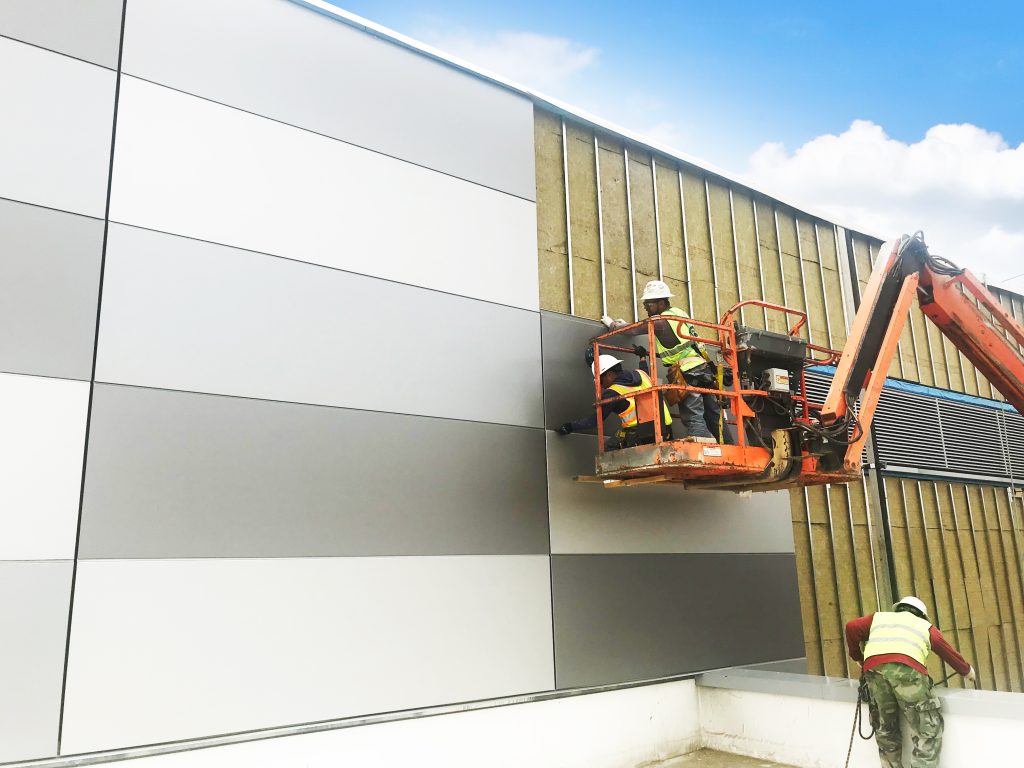
Insulated Metal Panels (IMPs) are composite exterior wall and roof systems made of metal skins bonded to an insulating foam core. Combining insulation, air barrier, vapor barrier, and finished surface into a single component, IMPs help simplify wall and roof assemblies while delivering strong thermal performance.
Available in a wide range of profiles, finishes, colors, and panel orientations, IMPs give architects the flexibility to create clean, modern aesthetics without sacrificing performance.
Why Architects and Designers Continue to Specify IMPs
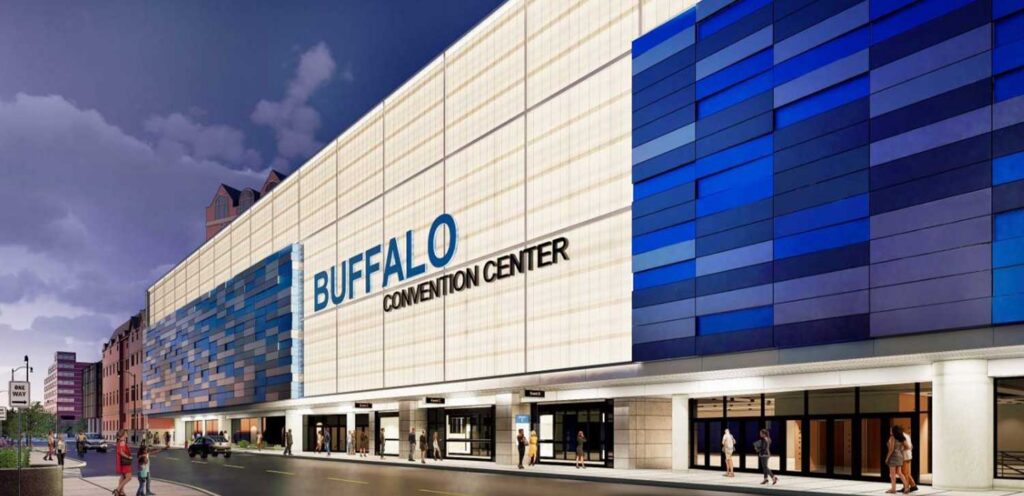
Today’s design teams are balancing performance demands with tighter schedules, evolving energy codes, and growing sustainability expectations. IMPs help address those challenges in several key ways.
Energy Efficiency and Building Performance
As energy codes become more stringent, building envelope performance has become central to project success. IMPs provide continuous insulation and can help reduce thermal bridging, contributing to improved energy efficiency and occupant comfort.
For large-scale facilities such as distribution centers, manufacturing facilities, and institutional buildings, this performance can translate into lower operational costs and reduced HVAC demand over the life of the building.
In residential applications, homeowners are also turning to IMPs for their ability to improve year-round comfort, enhance energy efficiency, and deliver a clean, modern aesthetic with long-term durability and low maintenance.
Design Flexibility Across Project Types
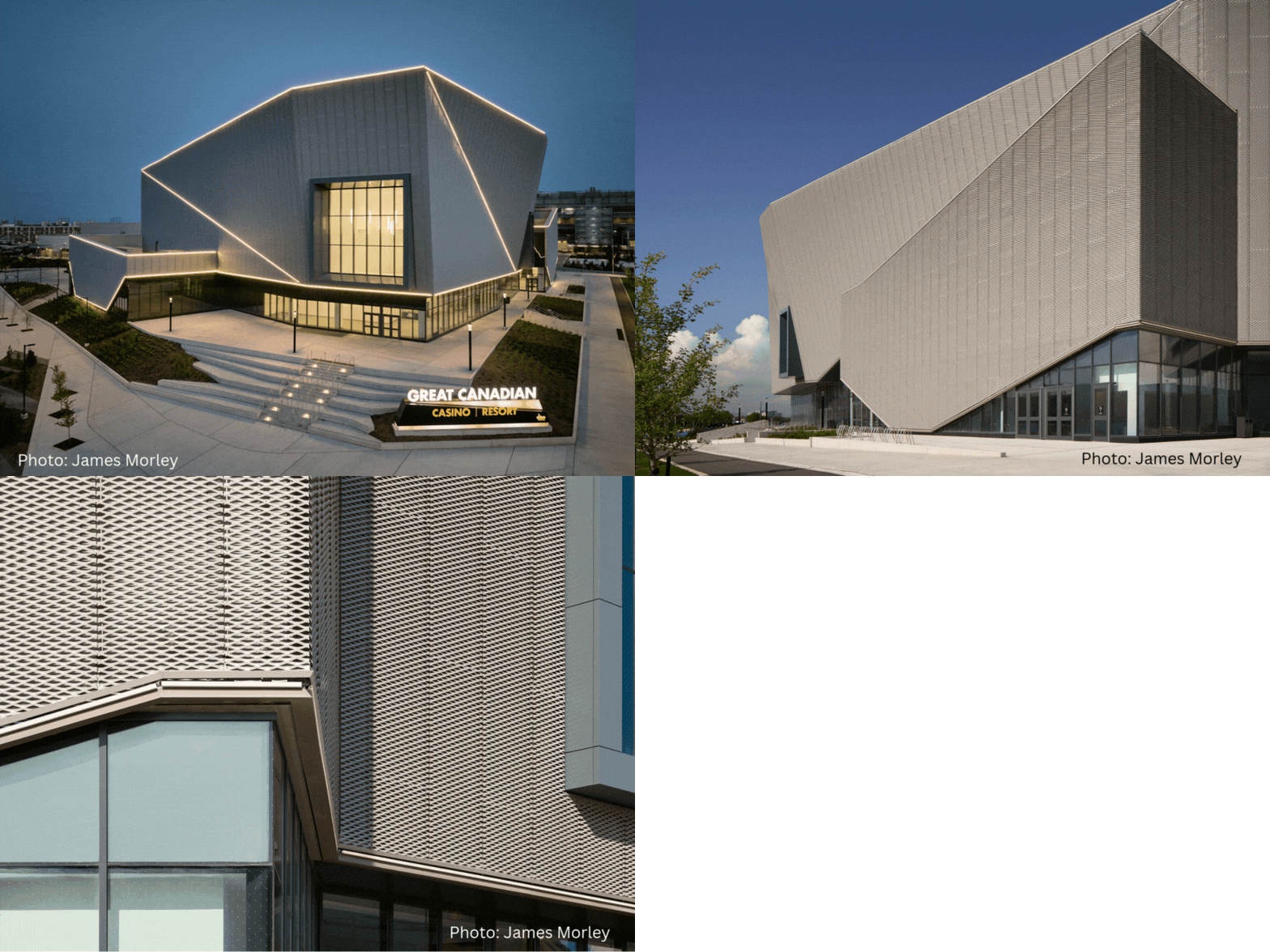
Modern IMP systems offer far more than the utilitarian appearance many people associate with metal buildings. Designers can achieve striking visual effects through color selection, panel profiles, textures, reveals, and installation orientation.
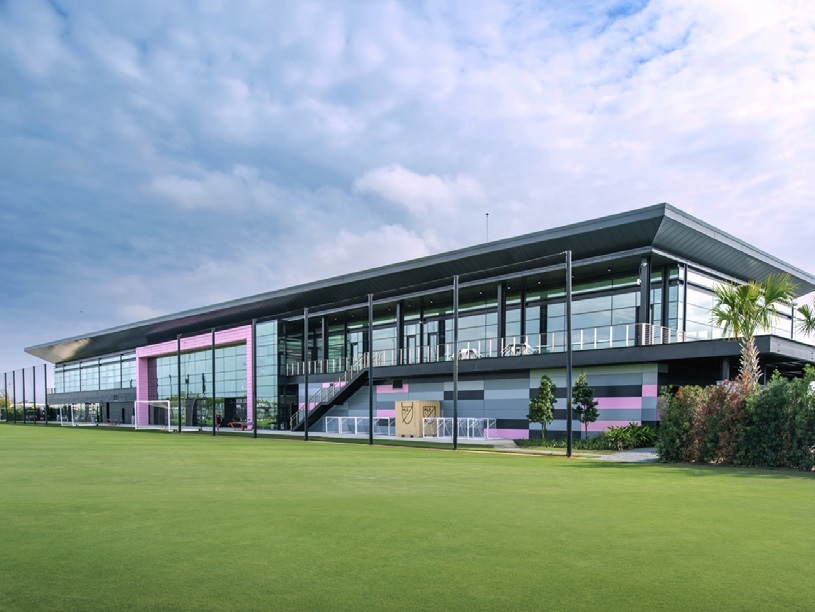
Sports facilities, education campuses, civic buildings, office renovations, hospitality projects, and even residential homes increasingly use IMPs to create bold architectural statements while maintaining durability and efficiency. In residential applications, IMPs are often incorporated into contemporary mountain homes, barndominiums, and custom-built residences where clean lines, energy performance, and low-maintenance materials are priorities.
One notable commercial example is the stadium design for Inter Miami CF’s DRV PNK Stadium in Florida, where custom black and pink IMPs reinforced the team’s brand identity while delivering a clean, high-performance exterior envelope.
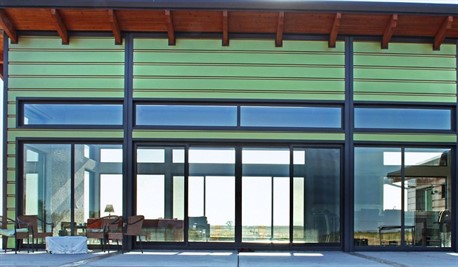
Residential architects are also using IMPs in innovative ways. In Woodland, California, a custom net-zero home incorporated color-shifting insulated metal panels on both the walls and roof to create a dramatic visual effect while supporting exceptional thermal performance and energy efficiency.
Supporting Sustainable Design Goals
Building owners and project teams are placing greater emphasis on embodied carbon, operational efficiency, and long-term building resilience. Because IMPs combine multiple building envelope components into a single system, they can help streamline construction while supporting sustainability initiatives and reducing jobsite waste.
Many manufacturers also continue to invest in Environmental Product Declarations (EPDs), recycled content, and more transparent material reporting — all increasingly important considerations for architects pursuing high-performance building certifications and sustainability benchmarks.
IMPs are also playing an increasing role in adaptive reuse and retrofit projects, where improving building performance without completely rebuilding existing structures has become a growing priority. From outdated industrial buildings converted into offices or wellness studios to facility upgrades focused on energy efficiency and occupant comfort, IMPs help designers modernize building exteriors while improving long-term performance.
Speed of Installation
Labor shortages and compressed construction schedules continue to impact projects across the industry. IMPs can help accelerate installation because insulation, finished surface, and air/water barrier components are incorporated into a single panelized system.
That efficiency can help reduce coordination challenges on the jobsite and allow buildings to be dried in more quickly compared to traditional multi-component wall assemblies.
Durability for Long-Term Performance
From harsh weather conditions to demanding industrial environments, IMPs are designed to deliver long-term durability with minimal maintenance. Their resistance to moisture, corrosion, and environmental exposure makes them a strong option for projects where lifecycle performance matters just as much as initial construction.
Elevating the Building Envelope Conversation at METALCON
As high-performance building envelopes become increasingly critical to project success, the conversation is expanding far beyond individual products or systems. Architects, designers, engineers, specifiers, contractors, fabricators, manufacturers, and installers all play a role in shaping how buildings perform — and collaboration across those groups has never been more important.
That evolution is reflected throughout METALCON, especially within the Design District @ METALCON, now in its fifth year. Produced in partnership with AEC Daily and sponsored by PPG, this curated experience continues to grow as an important extension of METALCON’s broader industry reach — bringing together the full metal construction ecosystem around the future of high-performance building design.

Focused on education and real-world application, the Design District gives architects, designers, specifiers, and engineers direct access to emerging technologies and building envelope solutions shaping today’s built environment. From façade innovation and evolving energy codes to sustainability, resilience, and long-term performance strategies, attendees gain insight into the trends and technologies influencing the next generation of design and construction.
That focus extends throughout METALCON’s education sessions, workshops, and hands-on learning opportunities — elevating the conversation beyond product selection alone.
That’s what makes METALCON more than a trade show. It is where the entire metal construction ecosystem comes together to exchange ideas, challenge conventional thinking, and shape what’s next for metal construction.
For those not in the room, the risk is simple: missing the conversations, innovations, and connections helping shape the future of high-performance building design.