From ancient tools to modern skyscrapers, metal has always played a defining role in how we build. From ancient tools to modern skyscrapers, metal has always shaped how we build. In our previous post on ancient metallurgy, we explored how early innovations still influence today’s materials — read the full blog here.
Now, that evolution is accelerating. New materials, smarter systems, and advanced applications are reshaping construction at a rapid pace. Because of this, understanding the most common metals used in construction is more important than ever. It helps you make better, more informed decisions in a changing industry.
Steel – Strength, Durability, and Versatility
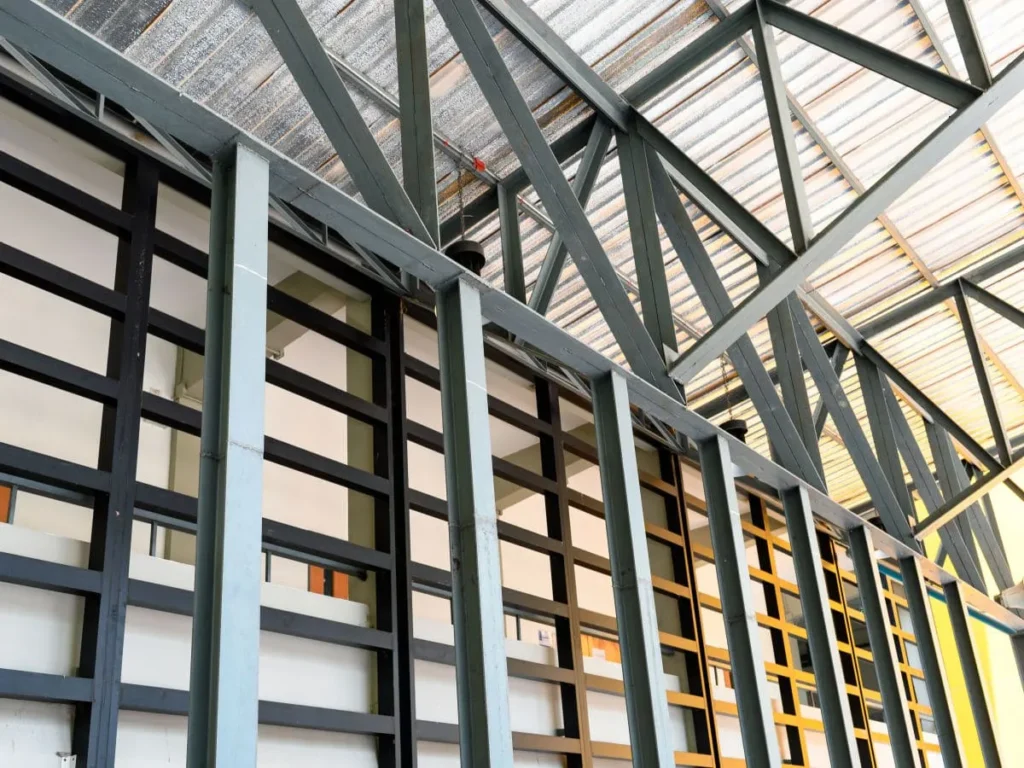
Steel remains the backbone of modern construction. It offers strength, durability, and versatility across a wide range of applications. You’ll find it in structural framing, roofing systems, and metal buildings.
At the same time, steel continues to evolve. New coatings improve corrosion resistance. Advanced fabrication methods increase efficiency. As a result, steel supports both traditional builds and high-performance projects.
Aluminum – Lightweight & Corrosion-Resistant
Aluminum is lightweight and highly resistant to corrosion. Because of this, it works well in roofing, wall systems, and window frames.
It also performs well in projects where weight matters. For example, it is often used in facades and exterior systems. As building demands shift toward efficiency, aluminum continues to gain traction.
Copper – High-End Roofing, Electrical Conductivity
Copper offers both performance and visual appeal. It conducts electricity efficiently and resists corrosion. As a result, it is widely used in electrical systems and plumbing.
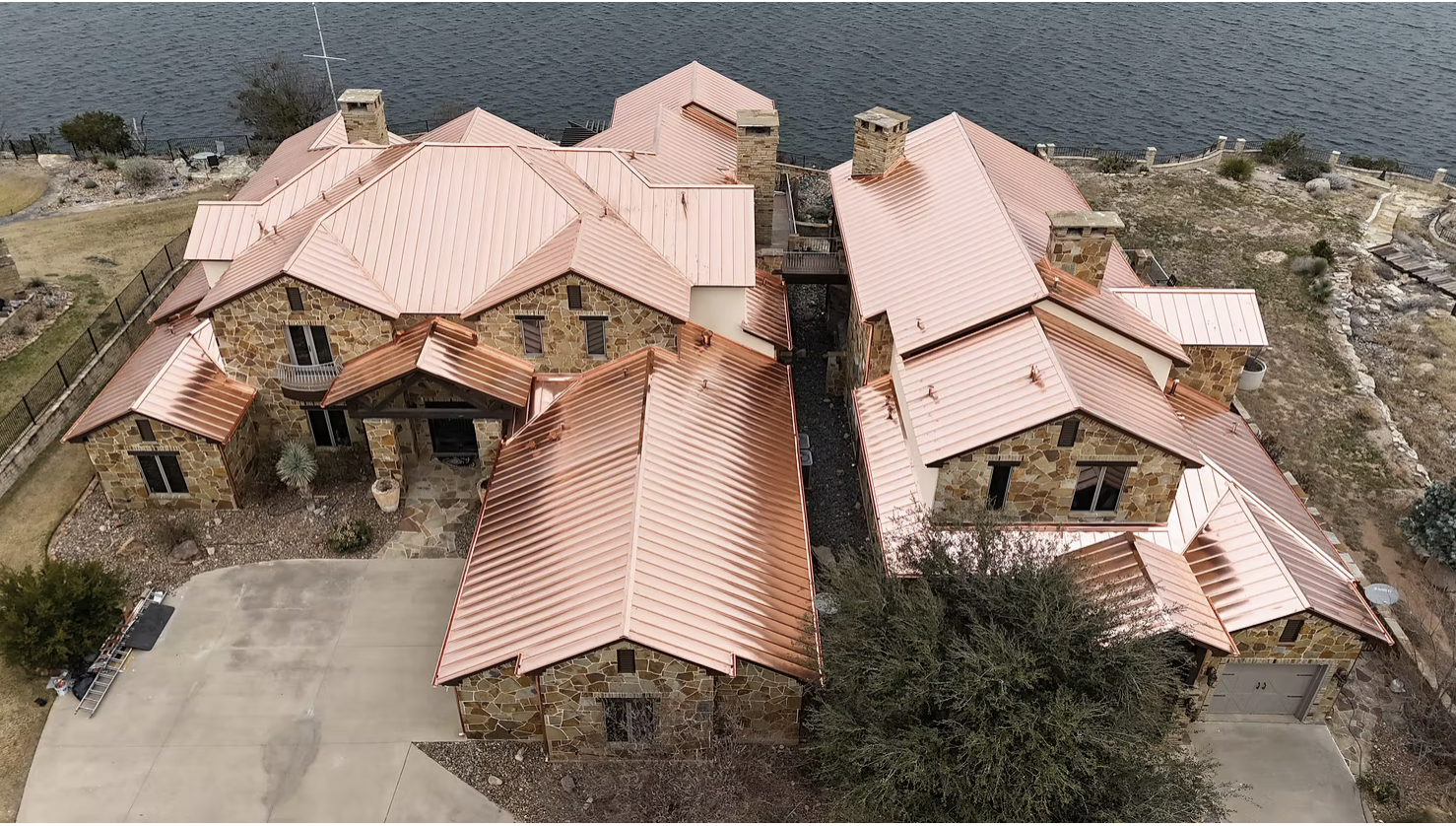
In addition, copper is a proven choice for roofing applications. It performs well in harsh environments and requires minimal maintenance over time. Just as important, its surface naturally develops a patina, which adds character and long-term aesthetic value.
Because of this, copper remains a popular option for architectural detailing and high-end roofing projects where both durability and design matter.
Iron – Decorative, Architectural Components
Iron continues to play a role in construction, especially in alloy form. Steel, for example, is derived from iron and is widely used in structural applications.
Wrought iron is often used for decorative elements such as gates and railings. Meanwhile, cast iron appears in both structural and architectural components. Although newer materials have emerged, iron still holds value in specific applications.
Titanium – Exceptional Strength & Corrosion Resistance
Titanium is less common due to its cost. However, it offers an exceptional strength-to-weight ratio. It also provides excellent corrosion resistance.
Because of these properties, it is used in specialized applications. These include high-performance systems and environments where durability is critical. As advanced construction needs increase, titanium continues to gain attention in niche areas.
How to Choose the Right Metal for Your Project
Selecting the right material goes beyond the basics. It requires balancing performance, fabrication, and long-term demands.
In many cases, the best choice depends on how the material performs in real-world conditions — not just on paper.
Consider Strength Requirements
Structural applications require high load-bearing capacity. Steel is often the first choice. However, system design also plays a key role.
Industry professionals often stress this point. It is not just about selecting a material. Instead, it is about choosing the right system for the job. Because of this, early decisions can shape long-term performance.
Evaluate Environmental Conditions
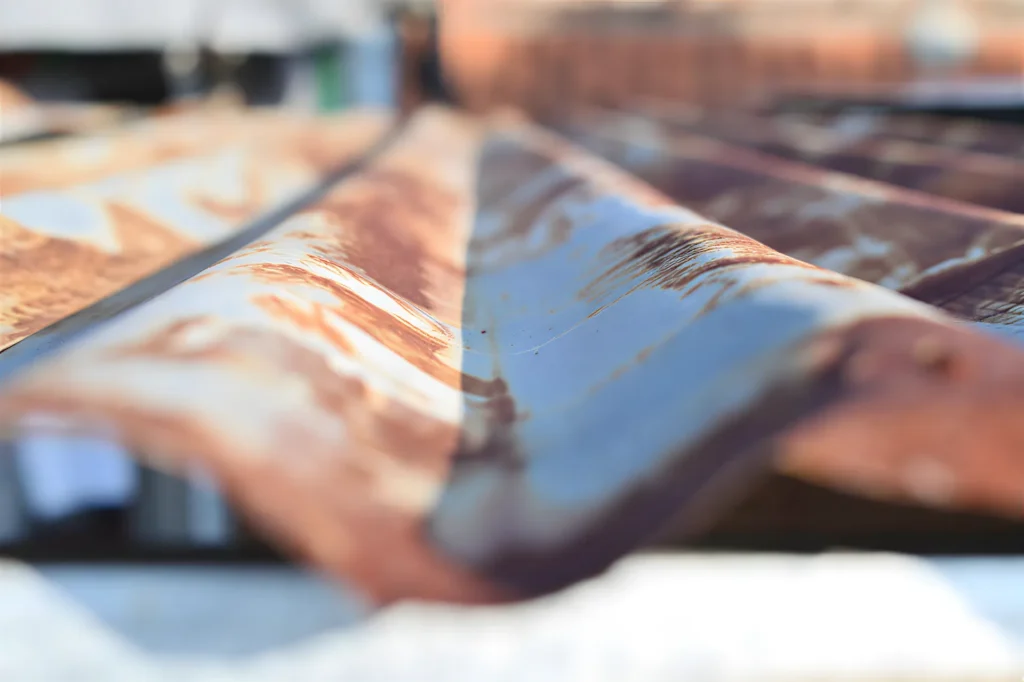
Environmental exposure has a direct impact on durability. Moisture, chemicals, and coastal air can all shorten a material’s lifespan.
For this reason, aluminum and coated or stainless steel are often preferred. Across the industry, experts consistently highlight environmental exposure as a critical factor. However, it is often overlooked early in the process.
Think About Weight and Efficiency
Weight affects more than structure. It also impacts transportation, handling, and installation.
Because of this, lighter materials like aluminum can improve overall efficiency. In many cases, reducing weight leads to faster installation and fewer challenges on site.
Evaluate Performance Beyond Strength
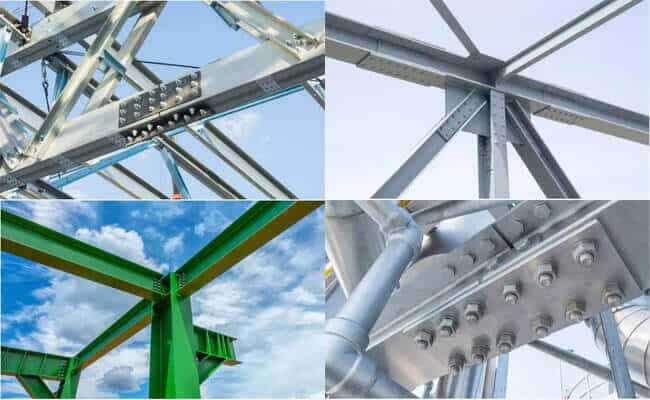
Strength matters, but it is not the only factor. In some applications, conductivity plays a key role.
For example, copper and aluminum are often selected for their ability to transfer heat or electricity. Because of this, they are essential in electrical and thermal systems. Matching the material to its function leads to better results.
Consider Formability and Fabrication Needs
Material choice also affects how a project comes together. Some metals are easier to cut, bend, or machine.
As a result, materials like aluminum and brass are often used for complex shapes. Many fabricators point out that easier handling can reduce labor time and waste. In turn, this improves overall efficiency.
Account for Real-World Stress and Wear
Not all stress is constant. Many structures face repeated movement, vibration, or load changes over time.
Because of this, fatigue resistance can become important. This is especially true in high-use environments. Materials must perform well over time — not just at installation.
Factor in Cost vs. Long-Term Value
Cost always matters. However, upfront price does not tell the full story.
Many industry professionals agree on this point. The lowest initial cost does not always deliver the best outcome. Instead, durability and maintenance should guide the decision. As a result, long-term value often outweighs short-term savings.
Align with Aesthetic Goals
Performance is critical, but design also matters. Many projects require both.
For this reason, materials like copper and specialty metals are often used in architectural applications. They offer durability while enhancing visual impact.
Plan for Longevity and Maintenance
Long-term performance should always be considered. Maintenance requirements, in particular, can increase costs over time.
Therefore, many experts recommend choosing corrosion-resistant or low-maintenance metals, such as aluminum or coated steel. This approach reduces upkeep and extends service life.
In addition, it supports more sustainable building practices. It reduces material waste and limits the need for replacement. In the long run, it improves overall project efficiency.
Discover All Things Metal at METALCON!
From ancient innovations to today’s advanced applications, metal continues to drive the construction industry forward. However, the pace of change is accelerating.
New materials are emerging. Systems are becoming smarter. And efficiency expectations continue to rise.
So the real question is — are you keeping up?
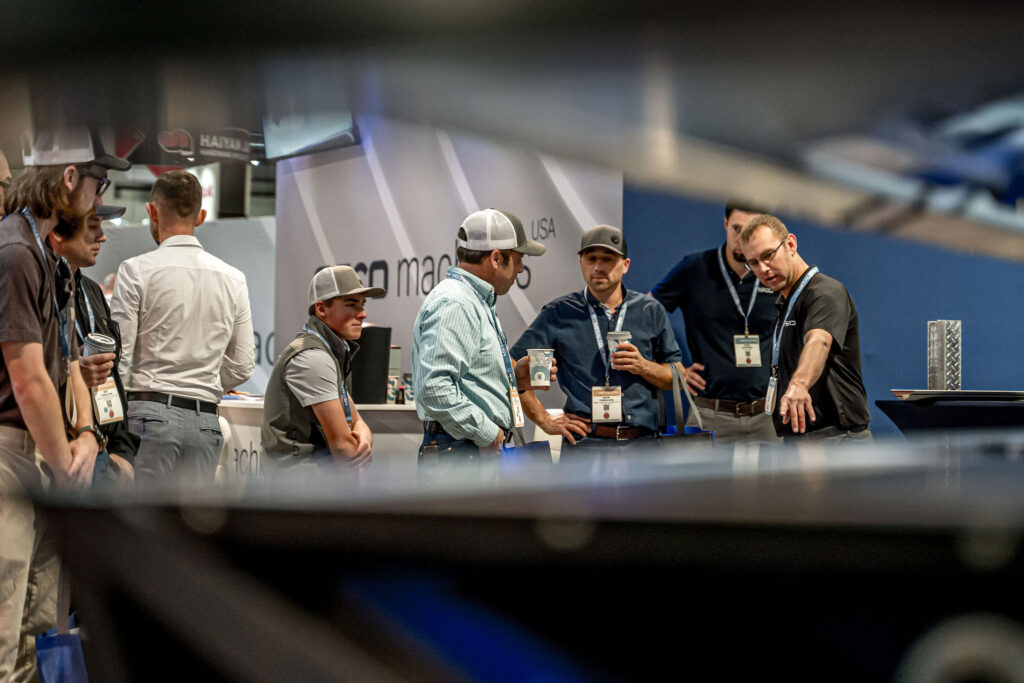
At METALCON, you can explore all of it in one place. You’ll find innovative products, live demonstrations, and expert-led education designed to strengthen your knowledge and expand your capabilities. In addition, you’ll connect with the people and ideas shaping the future of metal construction.
If you want to stay competitive in a rapidly evolving industry, this is where you need to be.