What is a Fastener?
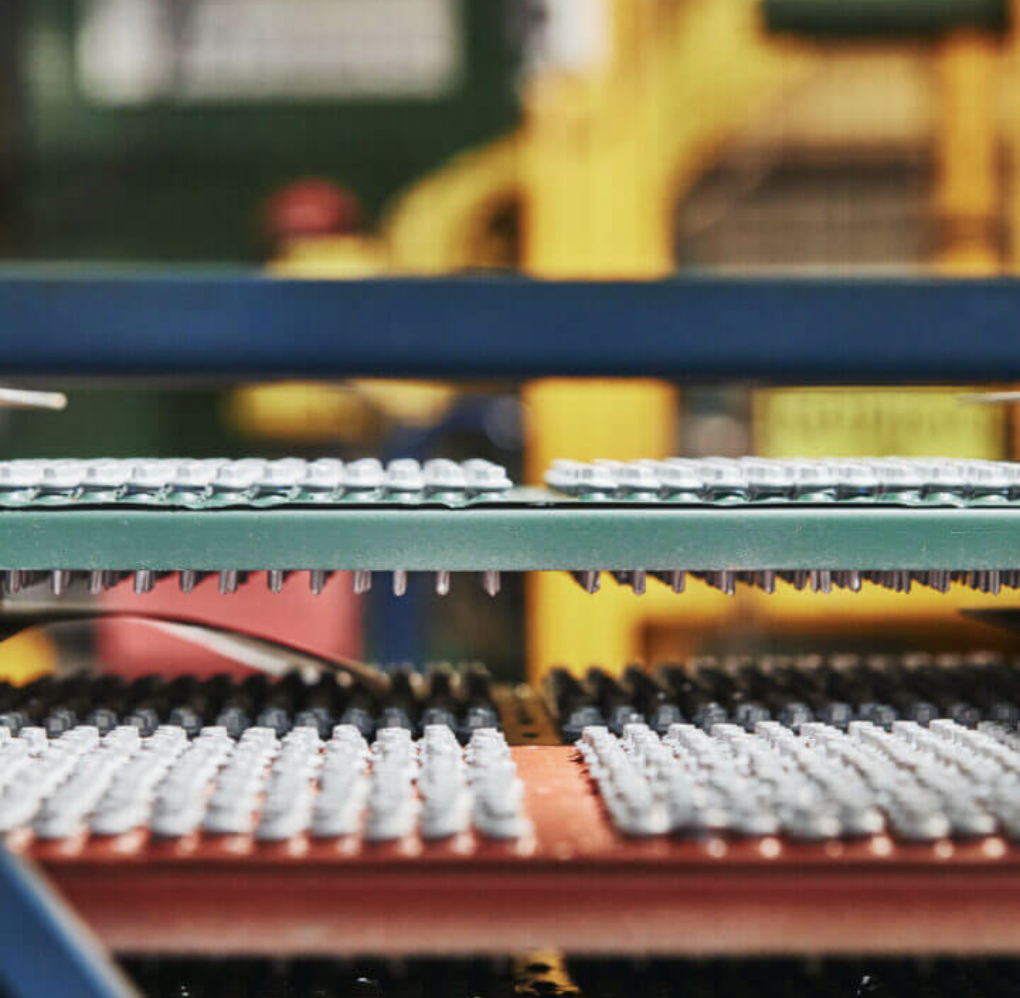
A fastener is a hardware device used to mechanically join or affix two or more objects together. Unlike welding or adhesives, fasteners typically create non-permanent joints, allowing for disassembly when needed.
In metal construction, fasteners play a critical role in structural integrity, weather resistance, and long-term performance. Choosing the correct fastener ensures not only a secure connection but also durability under varying environmental conditions.
What are the Different Types of Fasteners?
Bolts
Bolts are threaded fasteners used with nuts to secure materials together. They are commonly used in structural steel applications where strength and load-bearing capacity are essential.
Screws
Screws are versatile fasteners with helical threads that allow them to be driven directly into materials. Self-drilling and self-tapping screws are especially popular in metal construction for their efficiency and ease of installation.
Nuts
Nuts are internally threaded fasteners that pair with bolts to hold components together. They come in various types, including hex nuts, lock nuts, and wing nuts.
Washers
Washers are thin plates placed under bolts or nuts to distribute load, reduce friction, and prevent damage to surfaces. They also help prevent loosening due to vibration.
Rivets
Rivets are permanent fasteners used to join materials by deforming a metal pin. They are commonly used in sheet metal applications where a strong, vibration-resistant connection is needed.
Anchors
Anchors are used to attach structures to concrete or masonry. They expand or grip within the base material to provide a secure hold.
Pins and Clips
These fasteners are used for alignment or temporary fastening. Examples include cotter pins, clevis pins, and retaining clips.
Fasteners in Real-World Metal Construction
Fasteners are at the heart of every successful metal construction project — but their role varies widely depending on the application. Across roofing, structural systems, and architectural assemblies, fasteners are typically selected based on performance requirements such as load demands, environmental exposure, material compatibility, and installation conditions.
Below are real-world applications where fastener selection plays a critical role in overall system performance, durability, and safety.
Metal Roofing Systems (Residential & Commercial)
In metal roofing systems, fasteners are typically selected to help maintain weather resistance while accommodating wind loads, thermal movement, and long-term environmental exposure.
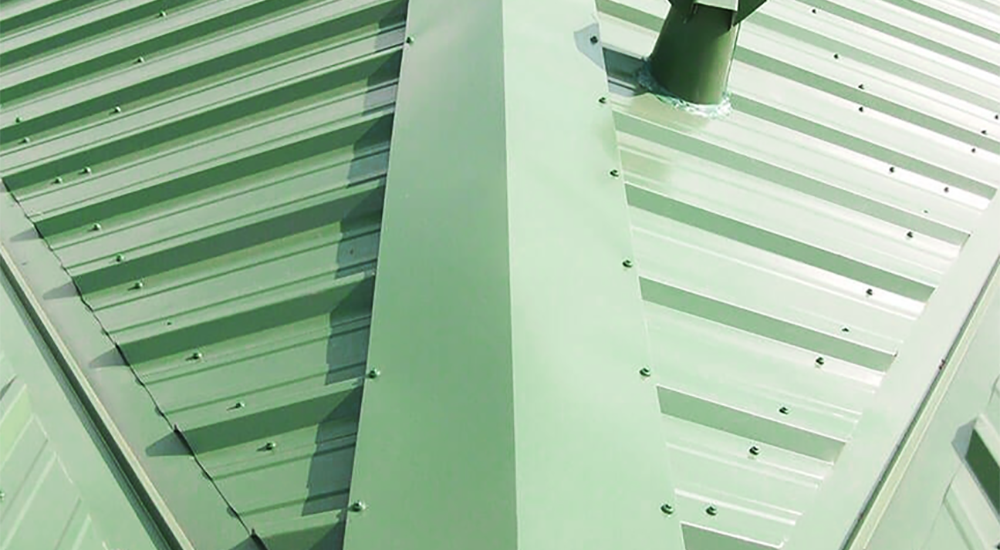
In exposed fastener systems, screws with bonded washers are commonly used to help create a seal at the panel surface, while concealed fastening systems rely on clips that allow panels to move independently as temperatures change.
Key consideration:
Fastener selection is closely tied to panel profile, substrate type, and environmental conditions, with corrosion resistance and sealing performance playing a major role in long-term durability.
Structural Steel Connections
In structural applications, fasteners are typically used in the form of high-strength bolts that connect beams, columns, and other load-bearing components.
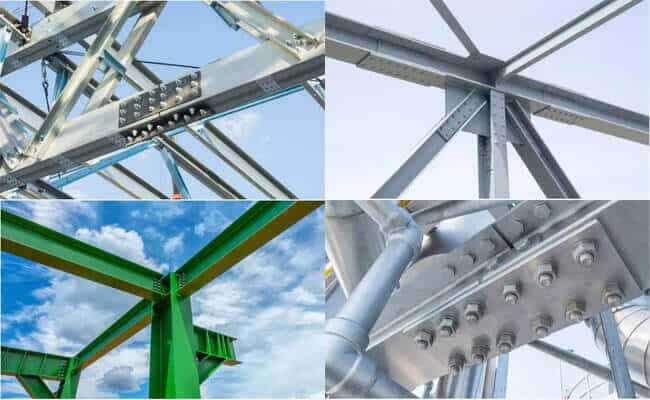
These connections are engineered to meet specific design loads and are installed according to detailed specifications that may include torque requirements, pretensioning methods, and inspection criteria.
Key consideration:
Bolt selection and installation practices are governed by engineering requirements and building codes to ensure structural integrity under static and dynamic loads.
Roof Retrofits & Re-Roofing Projects
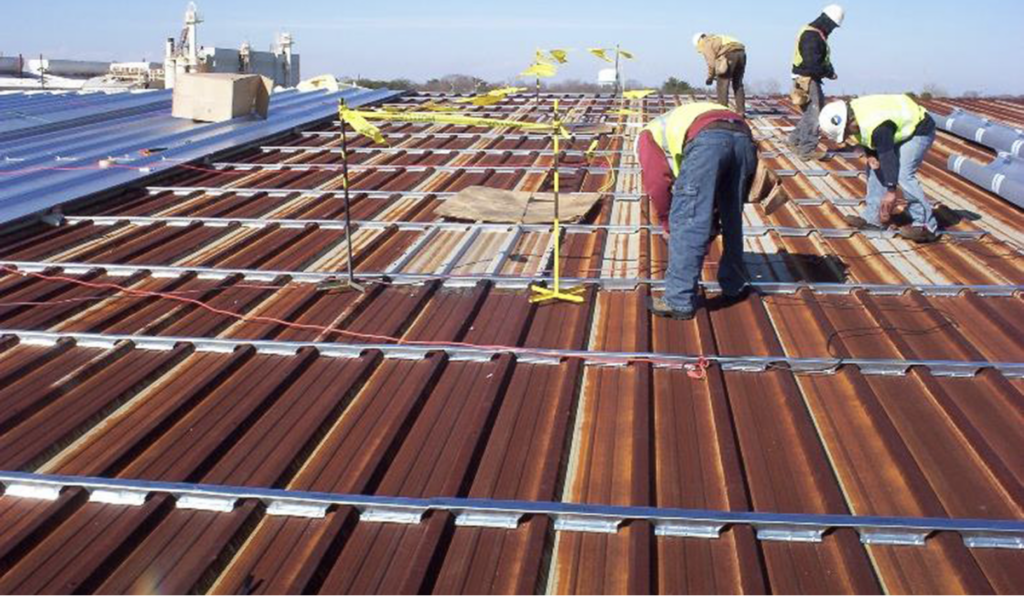
In retrofit applications, fasteners are often selected to accommodate existing roof conditions while supporting new metal roofing systems installed over older assemblies.
Longer fasteners or specialized anchoring systems may be used when assemblies require penetration through insulation layers, existing roofing materials, or multiple substrates to reach structural support.
Key consideration:
Successful retrofit fastening depends on properly identifying load paths and ensuring secure attachment to structural members without compromising the existing system.
Metal Wall Panels & Façade Systems
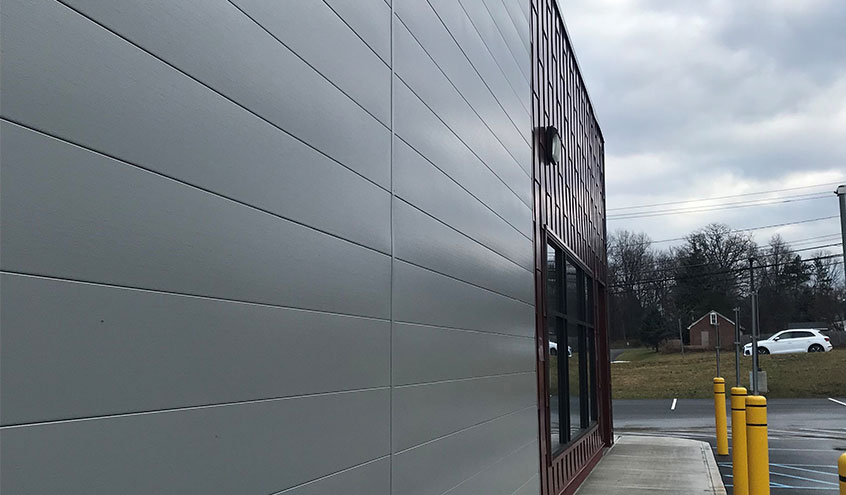
In architectural wall systems, fasteners are typically selected to balance structural performance with aesthetic requirements.
Concealed clip systems are commonly used to allow for clean exterior finishes, while exposed fasteners may be color-matched to blend with panel finishes in applications where they remain visible.
Key consideration:
Thermal movement, panel alignment, and visual appearance are key drivers in fastening system selection for façade applications.
Solar Panel Mounting on Metal Roofs
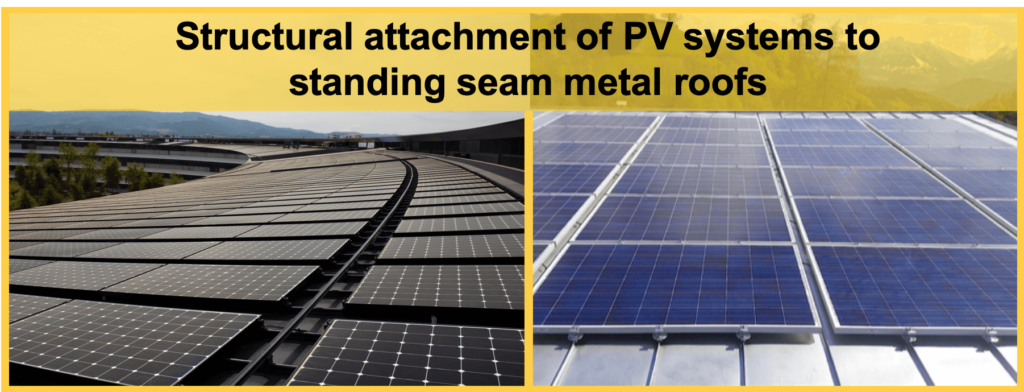
In solar applications, fasteners or mounting systems are typically selected to secure racking systems while minimizing roof penetrations whenever possible.
On standing seam roofs, clamp-based systems are commonly used, while exposed fastener systems may require engineered attachment points designed to maintain watertight performance.
Key consideration:
Load distribution, roof integrity, and waterproofing are critical factors in selecting appropriate attachment methods for solar integration.
Insulated Metal Panels (IMPs) & Cold Storage
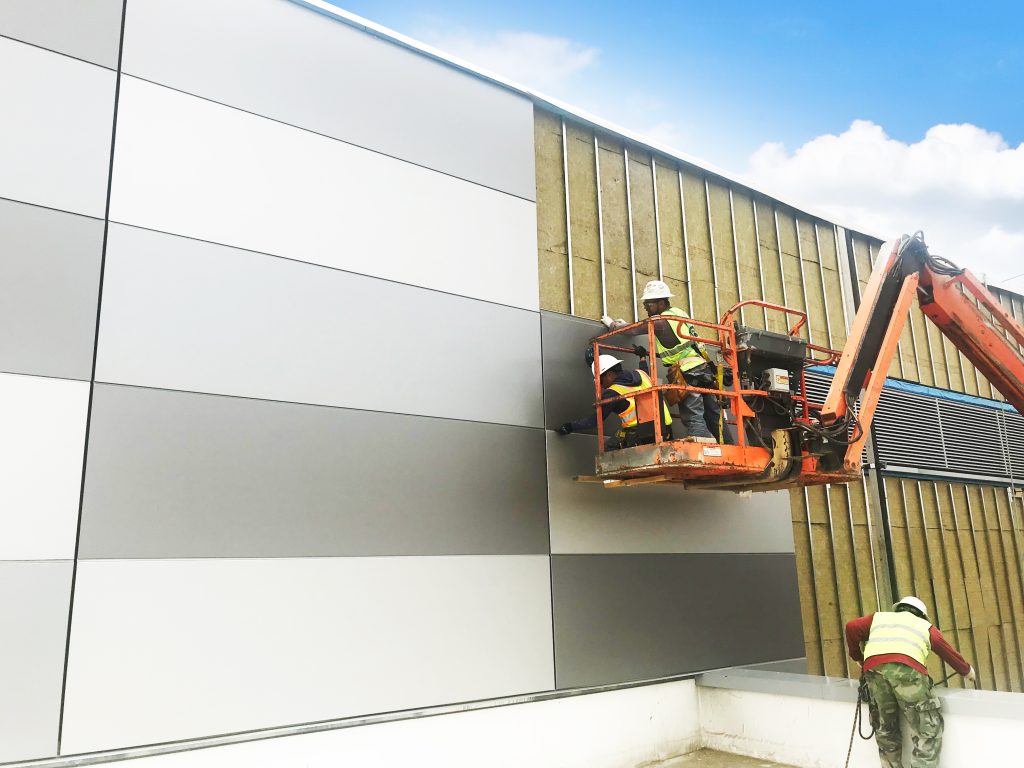
In insulated metal panel systems, fasteners are typically selected to secure panels while maintaining thermal efficiency and airtightness.
Fastener design and placement help ensure proper compression of panel joints while minimizing thermal bridging through the assembly.
Key consideration:
Panel performance depends on maintaining continuous insulation integrity while ensuring secure mechanical attachment across joints and structural supports.
Fasteners are not one-size-fits-all. Across all applications, fasteners are not standalone component — they are part of integrated building systems where performance depends on correct selection, installation, and compatibility with surrounding materials.
How to Choose the Right Fastener for Your Project
Consider the Material
Different materials require different fasteners. For example, stainless steel fasteners are ideal for corrosion resistance, while coated fasteners may be better suited for treated metals.
Evaluate Load Requirements
Determine the tensile and shear strength needed for your application. Structural connections require higher-strength fasteners than non-load-bearing applications.
Account for Environmental Conditions
Exposure to moisture, chemicals, or extreme temperatures can impact fastener performance. Choose materials and coatings that withstand the project environment.
Understand Installation Requirements
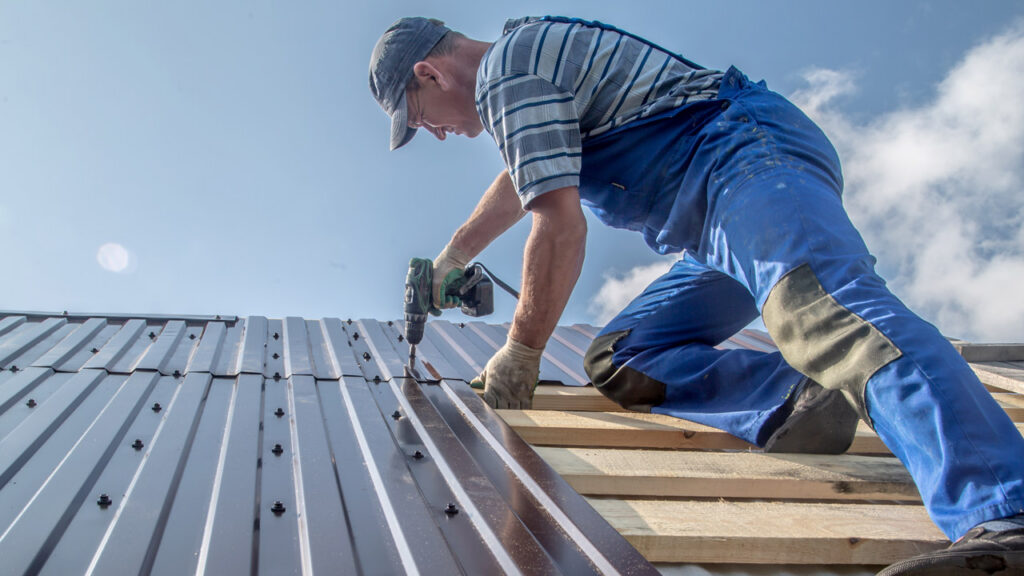
Consider the tools and time required for installation. Self-drilling screws can reduce labor, while bolts may require additional components and access. Proper installation is critical — overdriving, under-tightening, and thermal movement over time can all lead to fastener failure and leaks.
Check for Code Compliance
Ensure that your fastener selection meets local building codes and industry standards, especially for structural and safety-critical applications.
Prevent Corrosion and Galvanic Reaction
Avoid mixing dissimilar metals that can cause galvanic corrosion. Match fastener materials to the base materials whenever possible.
👉 For a deeper dive into material compatibility and performance considerations, the Metal Construction Association offers a comprehensive white paper on Fastener Compatibility with Profiled Metal roof and Wall Panels. In addition to exploring how dissimilar metals, coatings, and environmental exposure impact long-term performance, the resource includes a detailed fastener compatibility chart — providing a practical, at-a-glance guide for selecting the right fastener for specific material combinations.
Safety Tips for Fastener Installation
Proper fastener installation isn’t just about performance — it’s critical to jobsite safety. From tool handling to load integrity, even small mistakes can lead to serious risks.
As the industry prepares for Construction Safety Week — held each year during the first week of May — it’s a good reminder that safety starts with the fundamentals, including how fasteners are selected and installed.
- Use the Right Tools for the Job — Always use manufacturer-recommended tools and settings. Improper tools can lead to stripped fasteners, weak connections, or injury.
- Avoid Over- or Under-Tightening — Over-tightening can damage threads or compromise materials, while under-tightening can result in loose connections that fail under stress.
- Inspect Fasteners Before Use — Check for defects such as corrosion, deformities, or damaged threads. Using compromised fasteners can weaken the entire assembly.
- Wear Proper PPE — Standard personal protective equipment—gloves, eye protection, and appropriate footwear—helps prevent injuries during installation.
- Ensure Proper Alignment — Misaligned materials can place uneven stress on fasteners, increasing the risk of failure over time.
- Be Mindful of Load and Placement — Always follow engineering specs for spacing, edge distance, and load requirements to maintain structural integrity.
- Conduct Regular Inspections — In high-stress or high-vibration environments, routinely check fastened connections to ensure they remain secure.
👉 In addition to following best practices on the jobsite, tools like the National Roofing Contractors Association’s Roof Wind Designer help contractors determine appropriate fastening patterns based on wind loads and building parameters — supporting safer, code-compliant installations.
👉 For further guidance on safe execution in the field, refer to the Metal Construction Association white paper on Proper Tools for Fastening Metal Panels, which outlines how the correct drivers, drill settings, and fastening equipment directly impact installation quality, panel performance, and long-term durability.
Explore the Latest in Fasteners and Metal Construction with METALCON
Staying current with fastener technology, installation techniques, and performance standards is essential in today’s evolving construction landscape — and METALCON makes it easy to stay ahead.
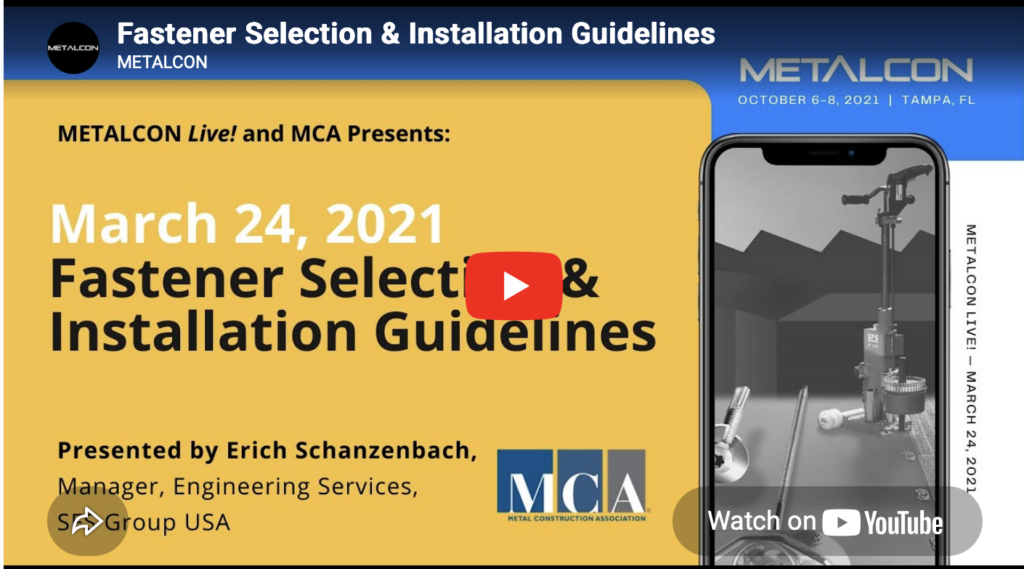
Through METALCON Online, professionals can access expert-led education anytime, including sessions like Fastener Selection & Installation Guidelines, developed in collaboration with the Metal Construction Association. This on-demand webinar offers practical insights into choosing the right fasteners and ensuring proper installation across a range of applications.
Attending METALCON in person takes that learning even further. From accredited workshops to live demonstrations, attendees gain hands-on exposure to the latest fastening systems, tools, and techniques shaping the industry. Whether you’re working in roofing, wall panels, or structural applications, you’ll find up-to-date guidance designed to improve performance, safety, and efficiency on the jobsite.