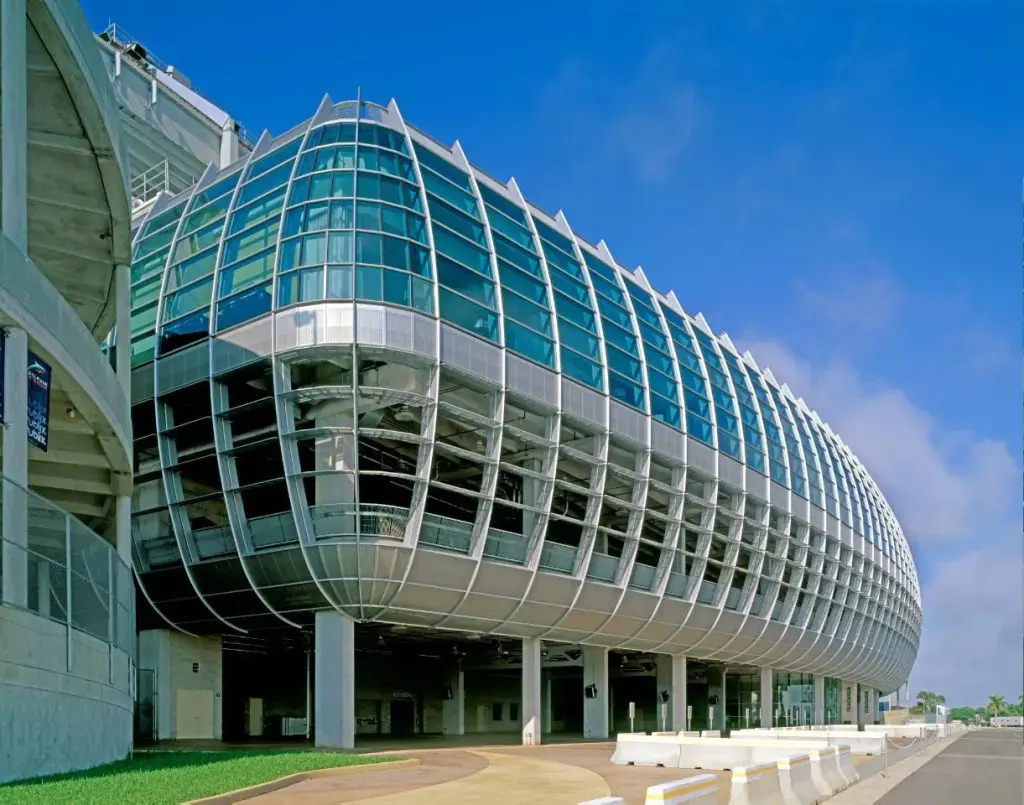
As construction projects become more complex, metal fabrication is playing an increasingly strategic role in how buildings are designed, engineered and delivered. Fabricators are no longer simply producing components from someone else’s drawings; they are bringing technical expertise, manufacturing knowledge and problem-solving capabilities to projects earlier in the process — helping turn ambitious design intent into buildable, high-performing solutions.
That expanded role spans digital detailing, precision manufacturing, prefabrication and customization, giving fabricators greater influence over how efficiently a project moves from concept to construction. By coordinating production earlier and shifting more work into controlled manufacturing environments, fabrication can help reduce jobsite labor, waste and rework while improving consistency, speed and constructability.
As the metal construction industry continues to evolve, fabricators are becoming essential partners in delivering smarter, more efficient projects. Their growing influence reflects a broader shift toward collaboration across the construction process — and a recognition that fabrication expertise can help shape not just how components are made, but how buildings are built. [See how METALCON helps fabricators and manufacturers stay ahead of what’s next in metal construction.]
Why Fabricators Are Becoming Strategic Partners in Modern Construction
Metal fabricators are taking on a larger role in how projects are designed, coordinated and delivered. By involving fabricators earlier, architects, engineers, contractors and owners can tap their manufacturing expertise to turn ambitious design concepts into practical, efficient and buildable solutions.
Early collaboration can help optimize material use, simplify fabrication, coordinate connections and address potential problems before they reach the jobsite. Digital fabrication, automation, BIM and prefabrication are strengthening this connection between design and manufacturing, allowing fabricators to contribute technical insight and problem-solving expertise alongside production capabilities.
This convergence of design, performance and fabrication is also explored in METALCON Online’s The Architecture of Metal: Designing for Resilience, Beauty, and Performance in Coastal Architecture, which examines how metal can balance aesthetic goals with resilience and performance in challenging environments. The result is a more integrated approach to construction — one in which fabricators become strategic partners rather than simply the final link in the supply chain.
The result is a shift in the role of the fabricator — from component producer to strategic construction partner.
Why Builders Are Partnering With Metal Fabricators on Commercial Projects
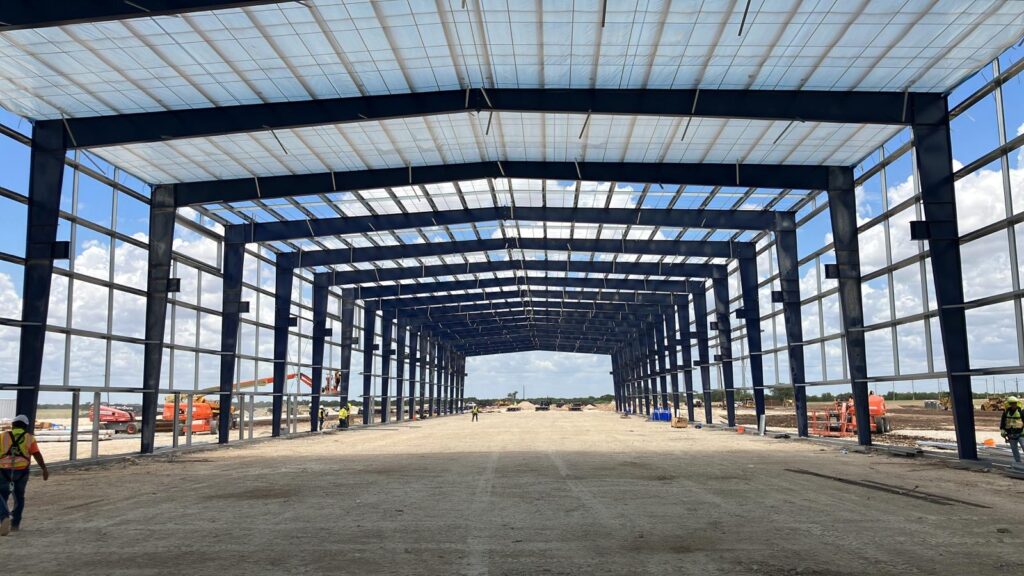
The growing use of metal in commercial construction reflects a convergence of demands — from reducing waste and meeting performance requirements to delivering projects faster and getting more value from materials and labor. For fabricators, these demands create opportunities to contribute beyond production, helping solve challenges through how metal is designed, processed, assembled and delivered.
Four priorities are particularly important:
Sustainability. Fabricators can improve material efficiency, optimize cuts and reduce waste while supporting the use of recycled and recyclable steel.
Resilience. Fabricators help translate performance requirements into accurately manufactured components, with careful attention to materials, connections, tolerances and coordination.
Speed and Efficiency. Prefabrication, automation and digital workflows allow fabricators to move more work into controlled environments, reduce field labor and deliver components ready for installation.
Scalability. Repeatable metal systems and manufacturing processes allow fabricators to apply expertise and production efficiencies across building types and projects.
Together, these priorities are elevating the role of the fabricator — from producing components to helping turn metal’s potential into practical, buildable solutions.
How Fabricators Are Improving Speed, Precision and Labor Efficiency
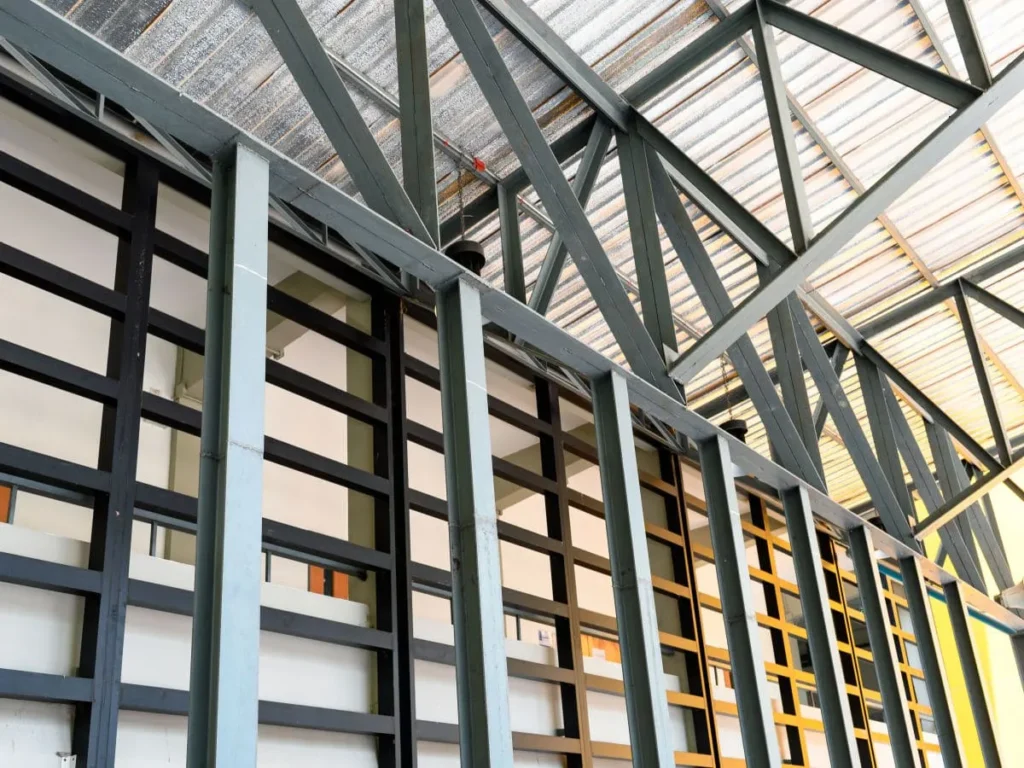
The advantages of metal construction depend on more than the material itself. They also depend on how efficiently raw materials and project information are transformed into precise, buildable components. Fabricators are increasingly driving that efficiency through prefabrication, connected digital and production technologies, and processes that make skilled labor more productive.
Prefabrication Moves Work Off the Jobsite
Prefabrication allows fabricators to complete more work in a controlled shop environment and deliver components or assemblies ready for installation. This can reduce exposure to weather, site congestion and other field variables while improving consistency and quality control.
For contractors, the payoff is greater predictability: fewer field modifications, less rework, and components that are ready to install when they arrive.
Technology Connects Design to Production
BIM, digital detailing, automated machinery and connected workflows are creating a more direct link between design and fabrication. By carrying project information into production, these technologies can improve accuracy while helping identify constructability issues before they become costly field problems.
They also give fabricators a greater voice earlier in the process, allowing their knowledge of materials, tolerances, connections and manufacturing capabilities to inform design decisions while changes are still easier to make.
Making Skilled Labor More Productive
Fabrication technology can also help address workforce challenges by augmenting skilled workers rather than replacing them. Automation and standardized processes can take on repetitive or highly precise tasks, allowing experienced workers to focus on the judgment, problem-solving and craftsmanship that technology cannot replace.
The result is greater production capacity and consistency — while making better use of the industry’s most valuable resource: skilled expertise.
How Fabricators Are Expanding Design Possibilities
Speed and efficiency are only part of the story. Advances in fabrication are also expanding what architects, designers, and contractors can create with metal — from distinctive façades and custom profiles to increasingly complex building components.
Greater Design Flexibility
Modern fabrication allows metal to be cut, formed, shaped, and finished to precise specifications, giving designers more freedom to explore custom shapes, patterns, profiles, and architectural details. Digital modeling and advanced manufacturing technologies make it easier to translate those concepts into precisely produced, buildable components.
Turning Design Intent Into Buildable Solutions
Fabricators also bring practical knowledge of materials, tolerances, connections, production capabilities, and installation. When they are involved early, they can help identify constructability challenges, suggest more efficient approaches, and preserve design intent while keeping projects practical to manufacture and install.
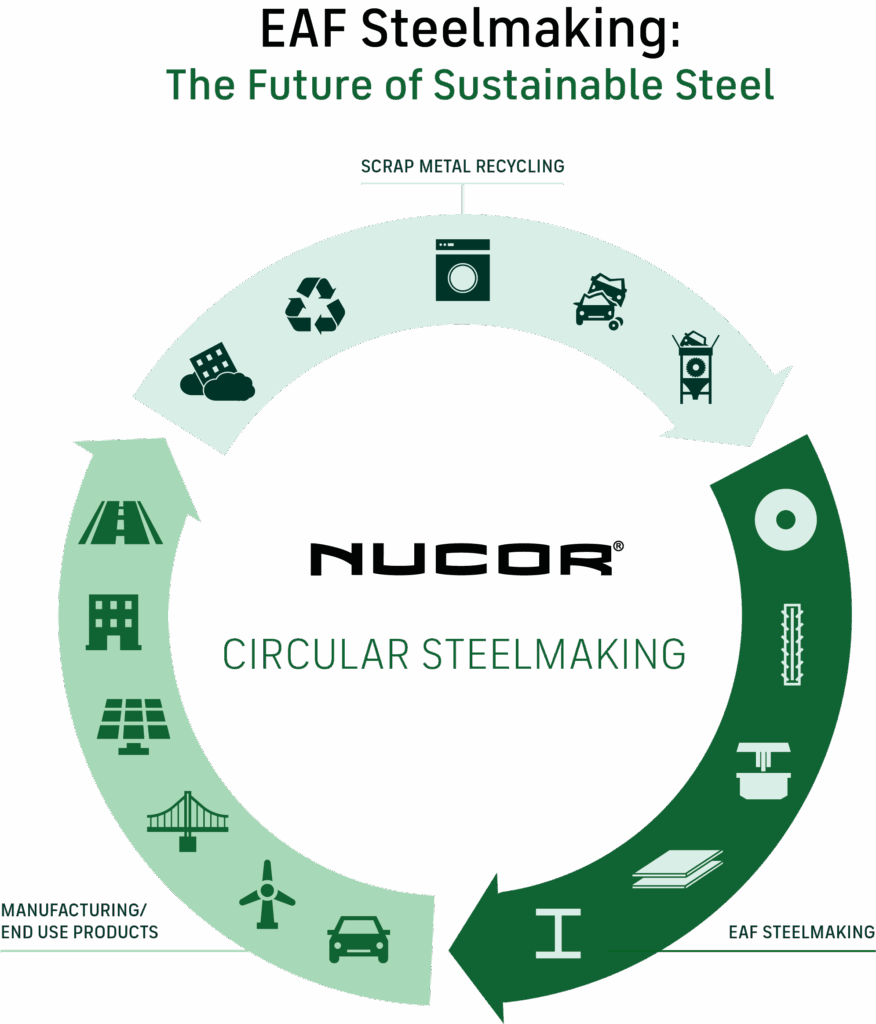
That collaboration can also support more circular approaches to material use. Steel can be recovered and recycled into new products without losing its fundamental properties, creating a material loop that can extend across multiple generations of construction. EAF steelmaking, which uses recycled scrap as a primary feedstock, is one example of how that circularity is already being built into the steel supply chain.
From Design Vision to Fabrication Reality: SoFi Stadium
A striking example is SoFi Stadium in Inglewood, California, where the architectural vision called for 34,789 unique aluminum canopy panels — no two alike. Brought into the process early, architectural metal fabricator Zahner used parametric modeling and a custom fabrication workflow to streamline production. The result reduced panel programming time from 15 minutes to just 7 seconds per panel, demonstrating how early fabrication expertise can help turn highly complex design intent into an efficient, buildable reality at monumental scale. [Case Study: AEC+Tech]
See What’s Next for Metal Fabrication at METALCON
The evolution of metal construction isn’t just about new materials or technologies. It’s also about who gets involved in solving the problems. When fabricators are brought into the process earlier, their expertise can influence design decisions, improve constructability, streamline manufacturing and help deliver better project outcomes.
Discover new approaches to fabrication, connect with industry experts and see firsthand how today’s innovations are helping transform design intent into buildable solutions at METALCON 2026, October 7–9 in Orlando.