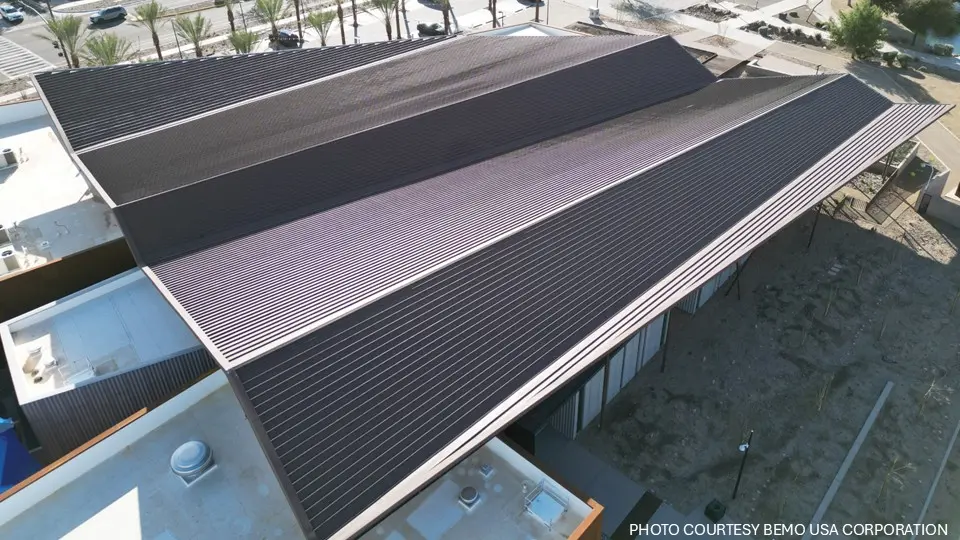
From building-envelope performance and evolving codes to cold-formed steel, automation and embodied carbon, the forces shaping today’s metal construction industry are showing up in the way buildings are designed, specified, manufactured and built.
In two weeks, these trends come to life through expert-led education, hands-on training, live demonstrations and innovations from more than 250 exhibitors at METALCON 2026. Here are six trends worth watching — and how you can explore them at the show.
1. Thermal Performance Moves to the Forefront
Thermal performance is no longer just about adding insulation. As energy-efficiency expectations rise, architects, engineers and contractors are looking more closely at how heat moves through the entire building envelope.
That includes thermal bridges created by conductive materials, connections and other details. When teams don’t address thermal bridging properly, it can reduce energy efficiency, increase condensation risk and affect occupant comfort.
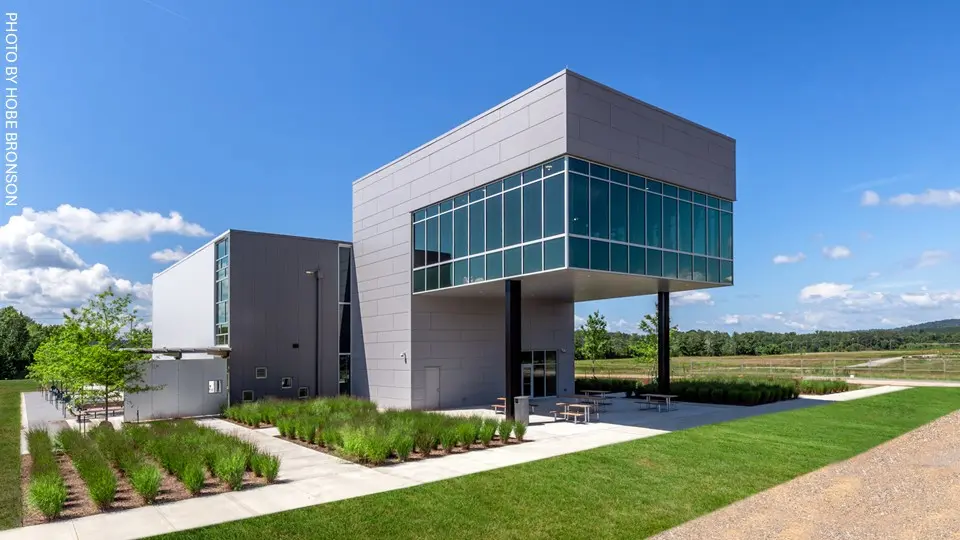
As a result, today’s metal building systems require a more complete approach to heat flow, moisture and air movement.
Explore this topic at METALCON in the session Reflective Insulation & Radiant Barriers in Metal Building Design: Solving Real-World Thermal, Moisture, and Energy Challenges. The session details how reflective insulation and radiant barriers can complement traditional insulation strategies in metal roofs, walls and HVAC applications.
Explore at METALCON: Reflective insulation, radiant barriers, insulation systems and high-performance building-envelope solutions.
2. Resilience, Safety and Sustainability Are Becoming One Conversation
Buildings face growing demands. They must withstand challenging weather, manage moisture, use energy efficiently, and perform reliably over the long term.
At the same time, fire safety, durability and sustainability continue to influence material and system decisions. Rather than treating these as separate considerations, today’s metal construction professionals are looking at how one assembly can these address multiple performance goals.
At METALCON, the education session Emerging Fire Rated, Foam Insulation Technologies – Safety, Resiliency and Sustainability Benefits reflects this shift toward one conversation. The session examines insulation approaches that can contribute to fire resistance, air and moisture control, durability and energy performance.
It also looks at embodied and operational carbon, bringing several of today’s biggest building-performance priorities into the same conversation.
Explore at METALCON: Fire-resistant assemblies, resilient building systems, high-wind construction, moisture management and energy-efficient solutions.
3. Codes Are Changing — and the Impact Goes Beyond Compliance
Building codes have always shaped metal construction. Now, however, the pace of change makes staying current more important across the entire project lifecycle.
A code update can influence the entire metal construction eco-system — how an architect details a system, how a fabricator approaches production or how an installer handles the jobsite. For that reason, understanding code changes is about more than checking a compliance box. It also helps teams manage project risk and avoid costly surprises.
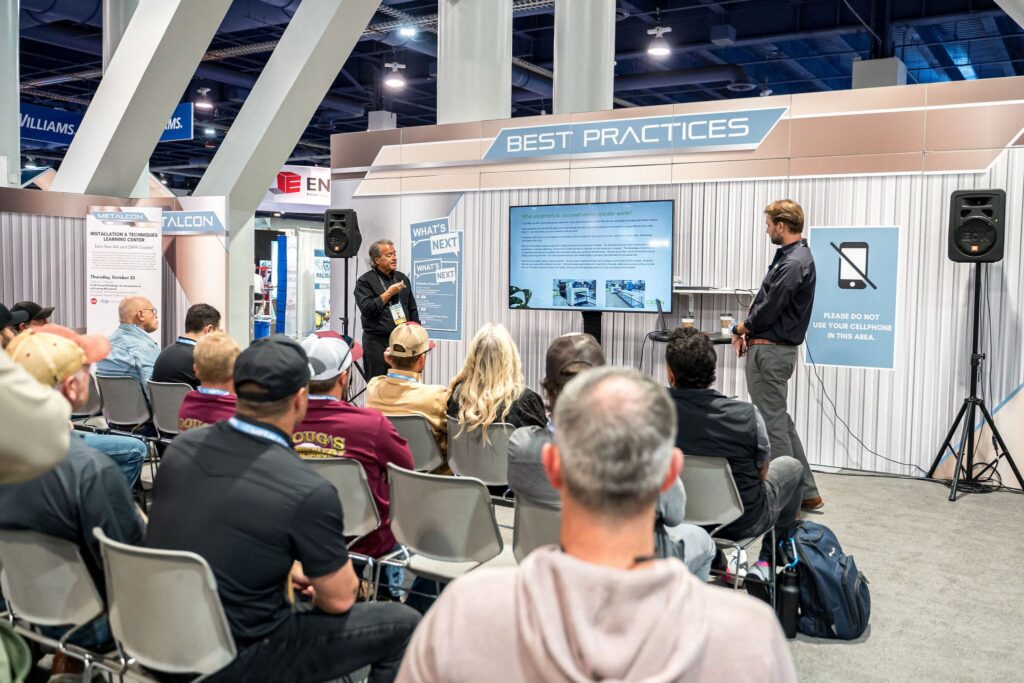
METALCON will tackle these important changes across its education program. One session in particular is Industry Outlook: Metal Construction Code Updates: What’s Changed and What It Means which examines recent and upcoming updates and their practical implications for design, specification, fabrication and installation.
The conversation also goes beyond code compliance. The Masterclass When Codes Aren’t Enough: Practical Resilience for Modern Buildings looks at how teams can think beyond minimum requirements to address resilience in real-world building design and construction.
Explore at METALCON: Code updates, standards, product acceptance, high-performance systems and the practical impact of changing requirements.
4. Cold-Formed Steel Is Expanding What Offsite Construction Can Do
Cold-formed steel (CFS) isn’t a new material. What is changing is how the industry uses it.

As construction teams look for greater speed, precision, labor efficiency and predictability, CFS is finding new applications in modular and offsite construction. Digital design, automated engineering and integrated manufacturing can move more of the construction process into controlled production environments.
METALCON will explore this evolution in Unlocking Offsite and Modular’s Full Potential with Cold-Formed Steel. The session looks at CFS applications ranging from mid-rise hotels and volumetric housing to schools, bathroom pods, façades and advanced floor systems.
Just as importantly, it follows the process from design through manufacturing and construction.
The trend also comes to life on the METALCON show floor through Design-to-Manufacture-to-Build Live, where attendees can see an advanced cold-formed steel ecosystem move from design and engineering through automated manufacturing and live assembly.
Explore at METALCON: Cold-formed steel, modular construction, offsite manufacturing, automation and design-to-manufacture workflows.
5. AI and Automation Are Reshaping Metal Construction
AI may be getting the headlines, but the bigger shift is how connected digital tools are changing workflows across metal construction.

Estimating, design, engineering, manufacturing and project management are all becoming more data-driven. Digital tools can automate repetitive work, connect information and help teams make faster decisions.
For companies facing labor constraints and growing demands for productivity, these technologies can help increase capacity without simply adding more people.
METALCON has made this focus a central part of its Tools & Technology Learning Center. The 2026 program includes sessions on AI-driven workflows, automated metrics and the use of machine data to improve manufacturing decisions.
The exhibits add another layer. Attendees can see the latest innovations in digital design, BIM, automation and other technologies firsthand — and see how they connect to the metal products and systems they support.
Explore at METALCON: AI, automated estimating, digital design, BIM, machine data, manufacturing automation and connected workflows.
6. Embodied Carbon Is Changing the Sustainability Conversation
Energy efficiency has long been part of the building-performance story. Now, more attention is turning to what it takes to make the building in the first place and its carbon impact.
Embodied carbon accounts for emissions associated with material extraction, manufacturing, transportation and construction. As a result, material selection and building design increasingly require a closer look at a project’s carbon impact.
For metal construction, that means looking beyond durability and recyclability. Teams are also considering manufacturing processes, material choices and system design.
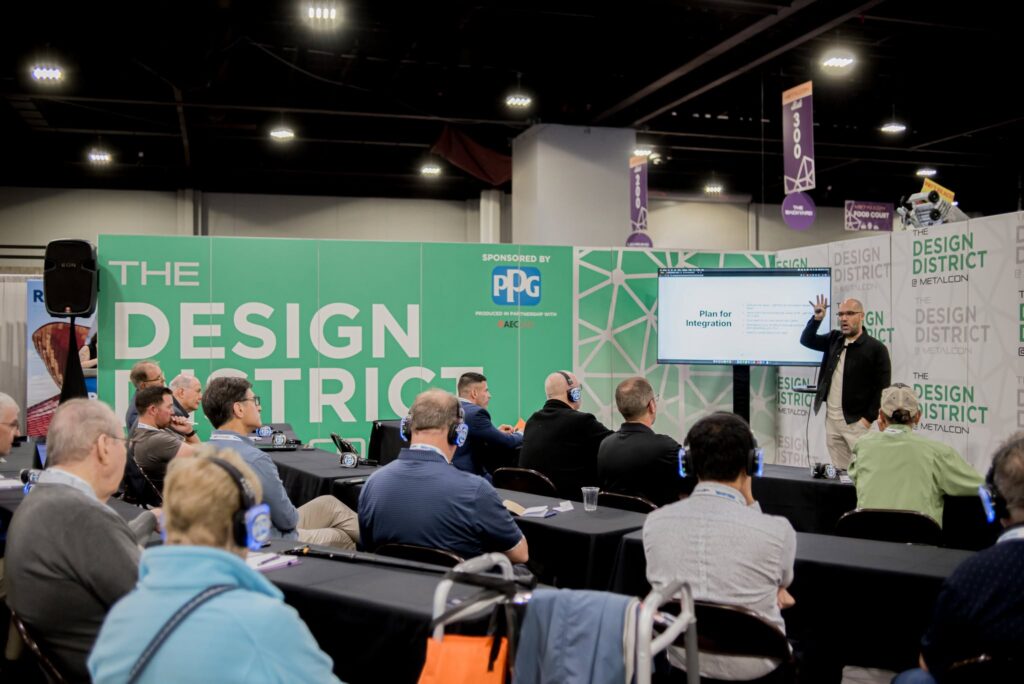
METALCON’s Design District puts this issue directly on the agenda with The Hidden Carbon in Metal Buildings. The session examines embodied carbon in metal building systems, including material selection, manufacturing impacts, Environmental Product Declarations and integrated design strategies.
The conversation extends to adaptive reuse, reclaimed metal and high-performance façade systems, showing how metal construction can support more resource-conscious approaches to design. For architects, designers and specifiers, these topics open up new ways to consider material selection, building performance and carbon impact together.
Explore at METALCON: Embodied carbon, EPDs, material selection, adaptive reuse, high-performance façades and sustainable metal building strategies.
See Where Metal Construction Is Headed
These trends aren’t happening separately. Thermal performance connects to energy efficiency. Resilience connects to material selection. Codes influence design and installation. Cold-formed steel is changing how buildings are manufactured. Digital tools are connecting design to production. And sustainability is increasingly measured across the full life of a building.
That’s what makes METALCON different. These trends connect the people, ideas, products and technologies that make up today’s metal construction ecosystem. And it’s that ecosystem you’ll find across the show floor, in the education sessions, exhibits, and networking events.
With 35+ credit-earning education sessions, hands-on training, Metal Mastery Clinics, 250+ exhibits, networking events, and more, METALCON brings the industry together to see what’s next, learn what’s changing and make connections that carry into the year ahead..
METALCON 2026 takes place October 7–9 (workshops and special FORGE Women’s program are scheduled on 10/6) at the Orange County Convention Center in Orlando.
These trends are already shaping the industry. Make sure you’re there for the three days that can shape your year ahead. REGISTER TODAY.