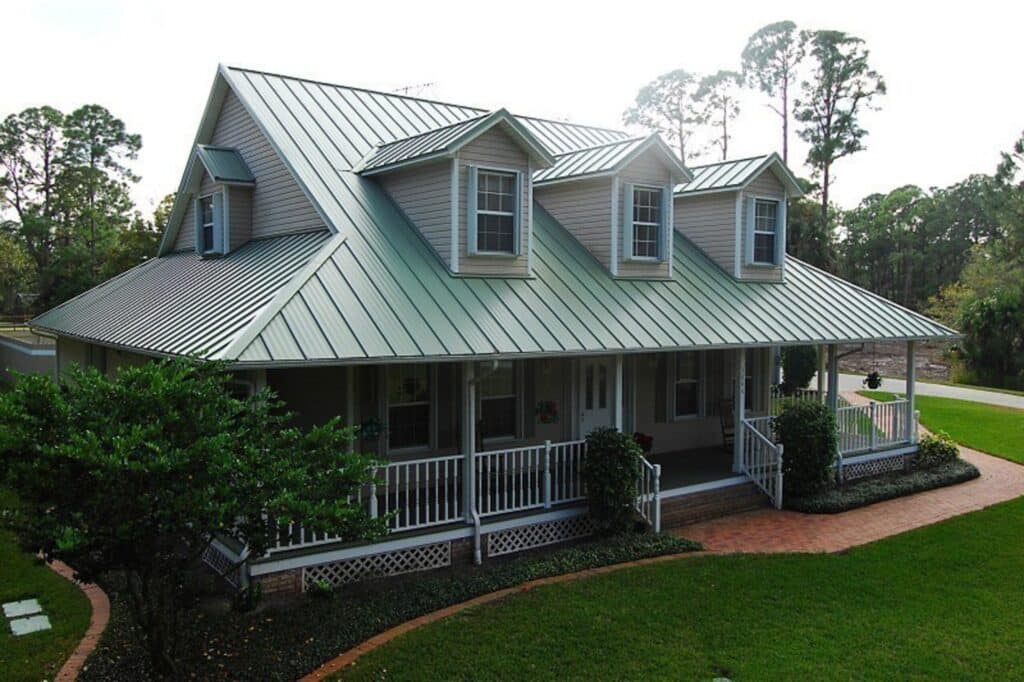
A metal roof can last 30–50 years or longer, depending on the material, roof system and conditions. For residential buildings, that can mean a service life two to three times as long as a traditional asphalt shingle roof. For commercial buildings, longevity likewise depends on system design, installation quality, environmental exposure and maintenance.
Research from the Metal Construction Association (MCA) offers an even longer outlook for certain systems. Its service-life assessment of standing seam metal roofs found that comparable low-slope, unpainted, 55% aluminum-zinc alloy-coated steel standing seam roof systems installed using best practices could have a projected service life exceeding 60 years. That projection applies to the specific system studied, not to every metal roof, but it shows what’s possible when the right materials and practices come together.
So what separates a roof that performs for decades from one that needs attention sooner? The answer is rarely the panels alone. It’s the whole system, and every segment of the industry, from designers and manufacturers to contractors and owners, has a hand in it. Here are the five factors that matter most.
What Determines How Long a Metal Roof Lasts?
1. Metal Type and Protective Coatings
Not all metal roofing materials perform the same way. Steel, aluminum, zinc and copper each have distinct properties, and their performance depends on the application, finish and environmental conditions.

Protective coatings guard metal panels against corrosion and weathering. For steel roofing, the type of metallic coating and any applied paint or finish influence durability and appearance over time. Choosing materials appropriate for the building’s location and exposure is the first step toward long-term performance, and it’s a conversation that starts with the manufacturers and suppliers who stand behind these products.
2. Roof Design and Installation Quality
Even high-quality materials can underperform when a roof isn’t properly designed or installed. Panel attachment, flashing, seams, penetrations and drainage all affect how well a roofing system manages water and withstands environmental stress. Improperly executed connections or detailing can open the door to moisture intrusion, premature deterioration and other performance problems.
These considerations were part of the technical conversation at METALCON 2026. The session Start Strong: Underlayment Strategies Every Metal Roofer Should Know, held October 8, explored underlayment selection, installation considerations and choosing appropriate materials for different regional conditions. It’s a reminder that long-term performance begins with decisions made before and during installation.
3. Underlayment, Fasteners and Sealants
The panels may be the most visible part of a roof, but they’re only one component of the complete assembly. Underlayment, fasteners, sealants, clips and other accessories all contribute to overall performance.

The MCA’s service-life assessment illustrates why. Its research examined not just metal panels but also the sealants, fasteners and other components of existing roof systems. While the panels demonstrated substantial corrosion resistance, some ancillary components showed signs of corrosion that could affect long-term performance.
Compatibility is especially important. Using appropriate fasteners and avoiding contact between incompatible materials helps prevent premature corrosion. For a deeper look, check out the METALCON Online webinar Dissimilar Materials & Other Causes for Corrosion in Metal Roofing Installations.
4. Climate and Environmental Exposure
A roof’s environment significantly influences how it ages. Coastal salt exposure, industrial pollutants, persistent moisture, temperature fluctuations and accumulated debris can all affect roofing materials and components.
Design and material selection should account for these conditions. A system suited to one environment may need different materials, detailing or maintenance in another. That’s why there’s no single lifespan estimate that applies to every metal roof: the specific material, coating, configuration and exposure all matter.
5. Inspection and Maintenance
Metal roofing is known for its durability and relatively low maintenance requirements, but low maintenance doesn’t mean no maintenance. Regular inspections help identify issues before they lead to more extensive damage. Depending on the roof and its environment, that may include checking for damaged finishes, corrosion, loose or deteriorating components, compromised sealants, blocked drainage paths and debris buildup.
In 2026, the National Roofing Contractors Association (NRCA) updated its guide for building owners on inspecting and maintaining low-slope structural metal panel roof assemblies. The guidance emphasizes scheduled inspection and maintenance programs to help optimize service life, an important consideration for commercial buildings with these systems.
A few practical habits go a long way:
- Follow manufacturer recommendations. Use compatible materials and appropriate repair methods, and follow guidance for cleaning, maintenance and protective finishes.
- Inspect on a schedule and after significant weather events. The right frequency varies by roof type, manufacturer recommendations and environment.
- Keep drainage paths clear. Leaves, branches and debris can obstruct drainage or hold moisture against the roof.
- Address problems early. Have damaged panels, deteriorating sealants or corrosion evaluated by a qualified roofing professional before they spread.
What It Means for Your Role
Because roof longevity is shaped at every stage of a building’s life, each part of the industry has something to act on:
- Manufacturers and suppliers: Support the right product selection and installation guidance for each application and environment.
- Owners and developers: Plan for scheduled inspections and maintenance, and weigh lifecycle value rather than initial cost alone.
- Architects, designers and specifiers: Match materials, coatings and details to the building’s climate and exposure, and specify compatible components across the whole assembly.
- Contractors and installers: Treat attachment, flashing, underlayment, fasteners and sealants as seriously as the panels.
Is a Metal Roof Worth the Investment Over Time?
The upfront cost of a metal roofing system varies with the material, system design and project requirements. In residential applications, some metal roofing options typically cost more initially than asphalt shingles. But purchase price is only one part of the equation.
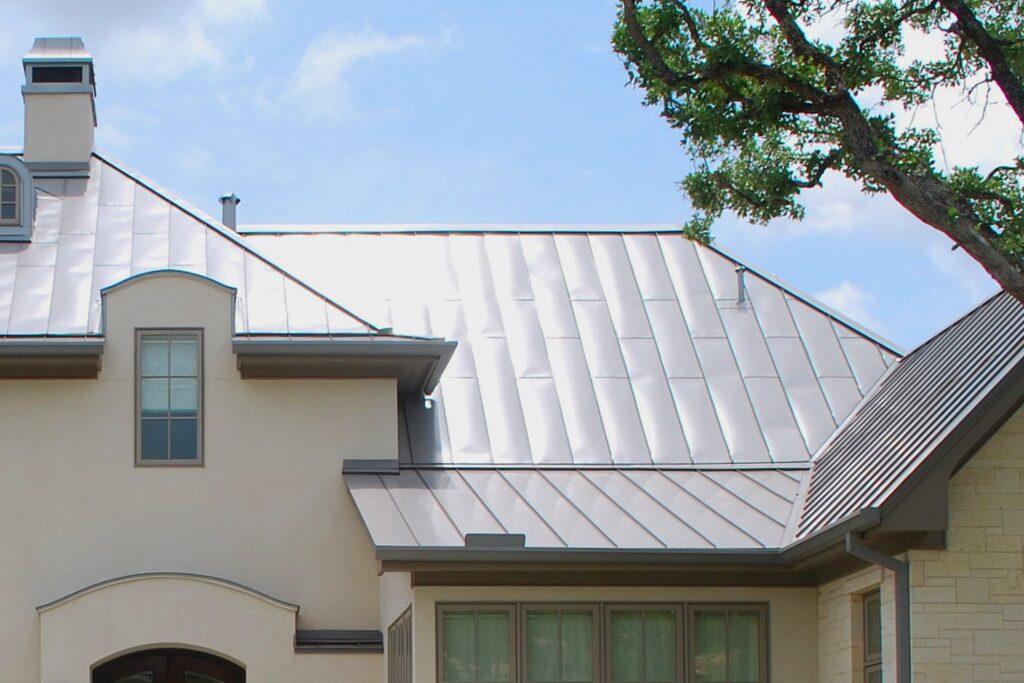
A longer service life can mean fewer roof replacements over the life of a building. Maintenance requirements, repair costs, energy performance, material recovery and the environmental impact of replacement all contribute to the lifecycle picture. Longevity is just one of metal roofing’s advantages; for more, explore five reasons metal roofing stands out, from weather resilience to sustainability.
Residential interest is climbing. According to the Metal Roofing Alliance, as reported by KeyCrew in August 2026, metal’s share of U.S. residential installations has grown from roughly 3% to 17%. The growth is concentrated in regions where hurricanes, wildfires and hailstorms have repeatedly damaged the same homes, and MRA’s executive director notes that demand tends to spike after weather events, when homeowners who have lost a roof and managed the rebuild research their options more carefully the next time.
Metal roofing has been a mainstay of commercial construction for decades, and its growing residential adoption points to rising interest in durability and weather resilience across building types. Market growth doesn’t guarantee how long any individual roof will last, but it does suggest that long-term performance is an increasingly important factor in roofing decisions. Evaluating expected service life is often more informative than comparing initial costs alone.
The Bottom Line: Metal Roof Longevity Starts with the Whole System
A metal roof can deliver decades of performance, but its longevity depends on more than the panels. Material selection, protective coatings, sound design and installation, compatible components and regular maintenance all determine how well a roof performs over time. Understanding these factors helps owners make informed decisions and helps everyone who designs, builds and maintains these systems deliver lasting value.
Want to keep learning about metal roofing performance, installation and best practices? Explore METALCON Online’s library for credit-earning, expert-led webinars covering the technical details that matter on the job and throughout a building’s life.
And mark your calendar: METALCON returns to Louisville, Kentucky, October 26–28, 2027, with education and exhibitors covering the topics that shape metal construction.