Design, Codes, Performance & Real-World Applications in Today’s Buildings
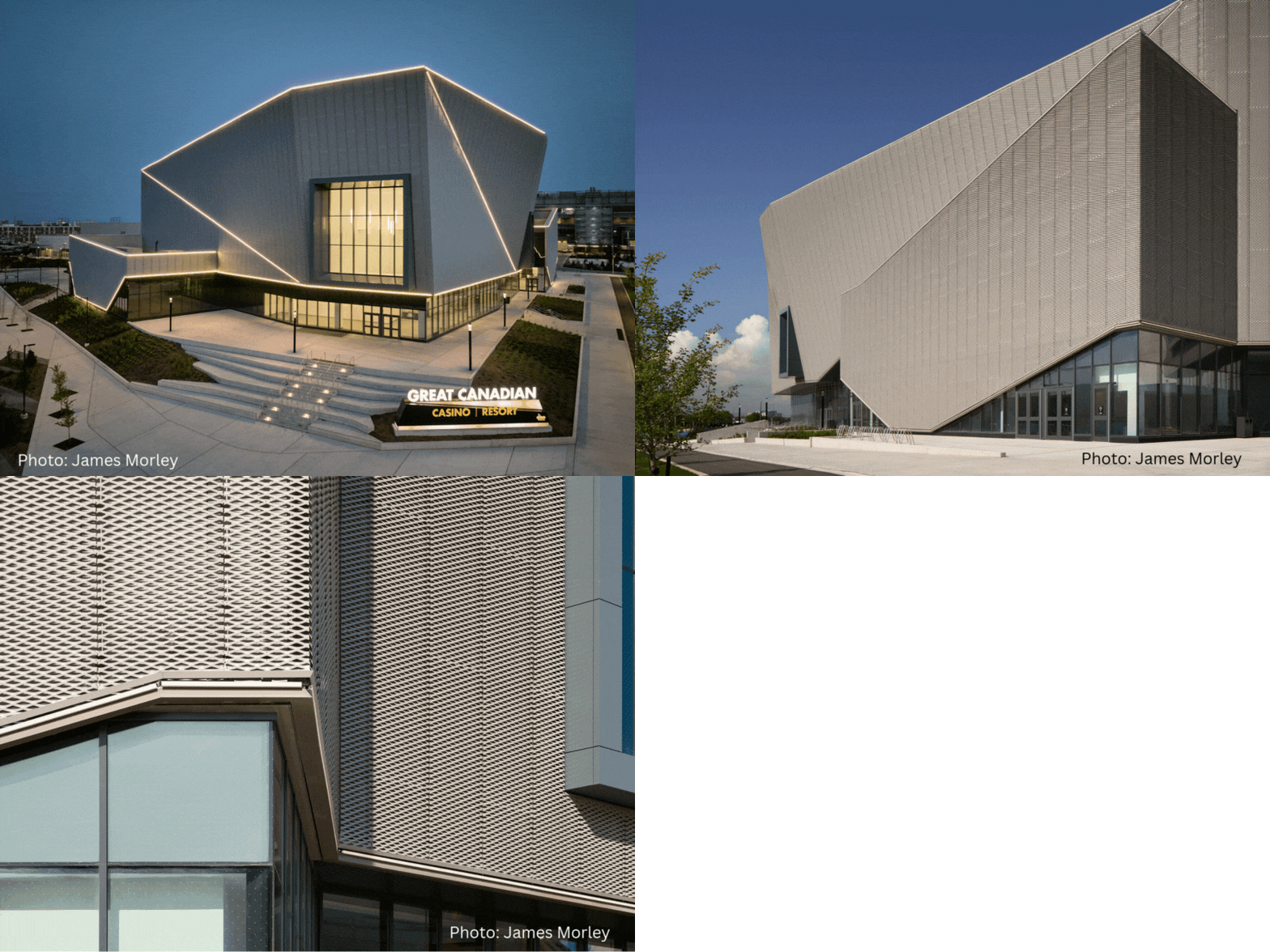
Woodbine Theater at Great Canadian Casino Resort Toronto
Insulated Metal Panels (IMPs) have become a natural extension of metal building systems, offering a high-performance envelope solution that aligns with steel construction’s speed, durability, and efficiency. By combining metal facings with continuous insulation, IMPs deliver superior thermal performance, moisture control, and long-term resilience in a single, factory-engineered system. While IMPs can also be integrated with wood framing and retrofit projects when properly engineered, this article focuses on their most common applications within metal-framed building systems.
In the sections ahead, we’ll explore how IMPs are made, the codes that govern their use, where they perform best, and how to see real-world IMP applications up close at METALCON.
How Insulated Metal Panels Are Made and Why They Have Better Thermal Performance
According to the Metal Construction Association, Insulated Metal Panels (IMPs) are factory-fabricated, composite wall and roof panels engineered as a complete building envelope solution. IMPs consist of two metal skins surrounding a continuous insulating foam core, creating a lightweight yet durable panel that controls air, moisture, and heat transfer in a single integrated assembly.
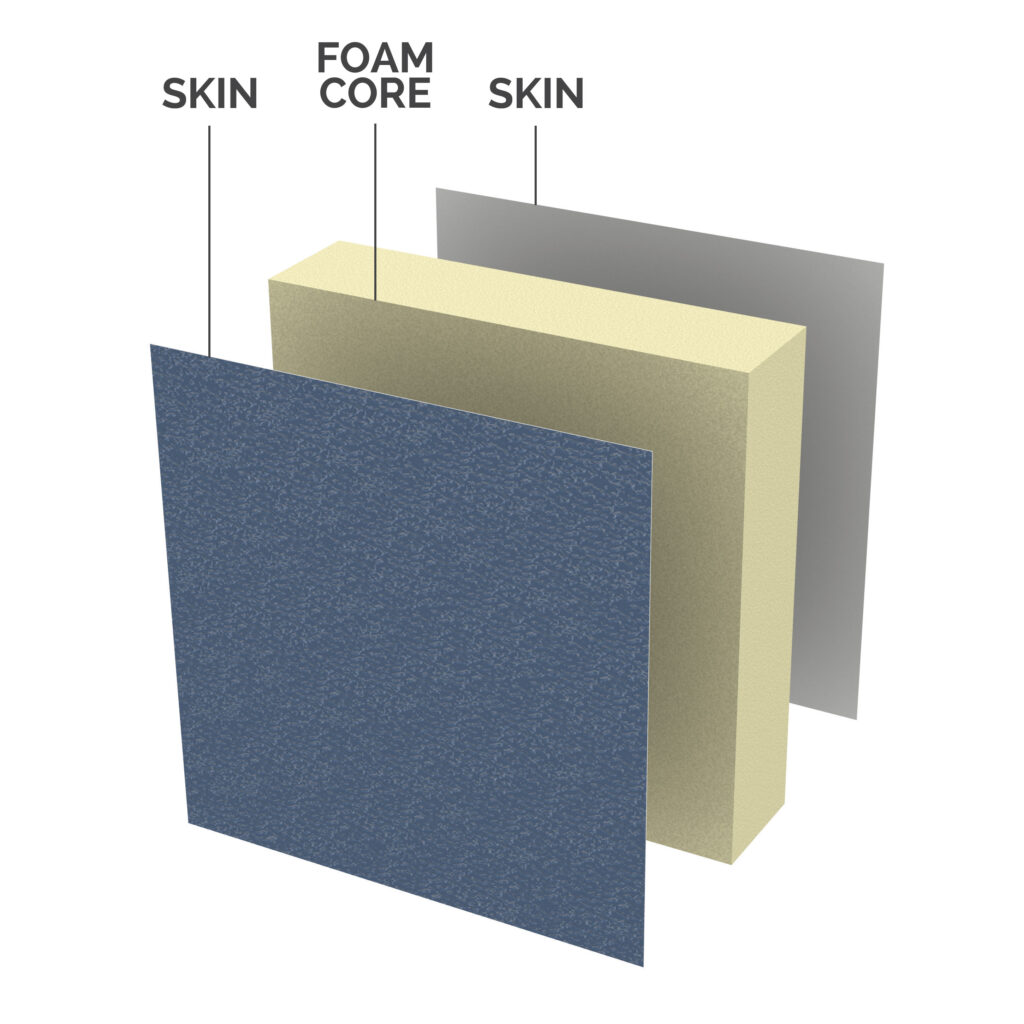
Industrial production begins with coated steel or aluminum facings that are joined to a rigid insulation core, typically polyisocyanurate (polyiso), EPS, or mineral wool. The insulation is bonded tightly between the facings — either by injecting a foam that expands and adheres to the metal sheets or by laminating pre-formed insulation in a press — resulting in a monolithic panel unit that inherently resists thermal bridging and maximizes insulation continuity. According to the MCA, this continuous insulation strategy is key to IMPs’ superior thermal performance, helping maintain consistent and predictable R-values across the entire wall or roof surface.
The metal facings also protect the insulating core from moisture and environmental exposure, preserving long-term thermal properties and contributing to overall building energy efficiency. IMPs’ integrated design reduces on-site assembly steps — many panels install in a “one-pass” process, spanning walls or roofs quickly with fewer joints and fasteners — which further limits air infiltration and heat loss compared to traditional multi-component envelope systems.
Together, these manufacturing and performance characteristics make IMPs a preferred envelope solution in energy-conscious designs — particularly in metal-framed buildings where speed of construction, durability, and thermal efficiency are top priorities.
What Codes Apply to Insulated Metal Panels?
Insulated Metal Panels (IMPs) are governed by the International Building Code (IBC) and referenced fire and performance standards, including NFPA 285, which evaluates fire propagation characteristics of exterior wall assemblies. According to the Metal Construction Association, specific IMP wall systems have been tested and shown to meet the conditions of acceptance for NFPA 285.
Because it is not practical to test every possible wall configuration, when a basic IMP panel system has passed NFPA 285, certain minor variations — such as changes to sealants, trim, window details, and joint treatments — may be permitted without additional full-scale testing. For more significant design changes, engineering judgments prepared by qualified professionals are commonly used to evaluate whether the modified assembly is expected to perform in a manner consistent with tested systems and are widely accepted by authorities having jurisdiction (AHJs).
This combination of standardized testing and accepted engineering pathways gives designers and builders the flexibility to apply IMPs across a wide range of building types and performance requirements — helping explain their growing use in so many different applications.
What Are the Best Use Cases for IMPs?
According to the Metal Construction Association and leading manufacturers, insulated metal panels are well suited for buildings that demand high thermal performance, durability, moisture control, and low maintenance. In addition to these performance benefits, IMPs support sustainability goals by improving energy efficiency, reducing operational carbon, and extending building service life — all critical factors as the construction industry works to meet increasingly ambitious environmental targets. Their integrated, continuous insulation design makes IMPs a versatile envelope solution across a wide range of building types and operating environments, helping projects balance performance, durability, and long-term environmental responsibility.
Commercial and Industrial Buildings
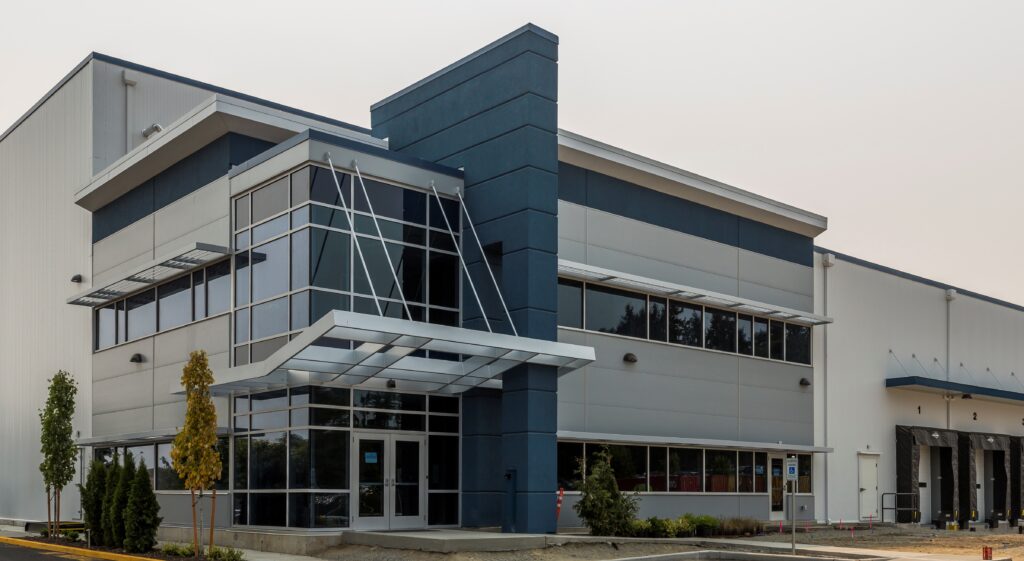
IMPs are widely used for wall and roof systems in commercial, industrial, institutional, recreational, and government facilities. From schools and retail centers to manufacturing plants and power generation facilities, these buildings benefit from IMPs’ energy-efficient insulation, lightweight construction, durability, and fast, cost-effective installation. Performance advantages are especially valuable in environments with temperature extremes, high humidity, airborne particles, and significant air movement.
Cold Storage and Refrigerated Facilities
IMPs are considered a leading solution for cold storage and other climate-controlled environments. Commonly used for food processing, cold storage, and distribution facilities, IMPs are available in a range of thicknesses to meet specific thermal performance requirements. Specialized joint designs, long-span capabilities, high-performance coatings, and hygienic detailing help support strict temperature control, sanitation, and contamination prevention.
Agricultural and Controlled-Environment Agriculture
Agricultural applications — including hydroponic operations and vertical or indoor farming — benefit from IMPs’ high R-values and ability to maintain stable interior temperatures. Corrosion-resistant coatings and cleanable surfaces support washdown procedures and long-term durability in high-moisture, high-humidity environments.
Educational Facilities
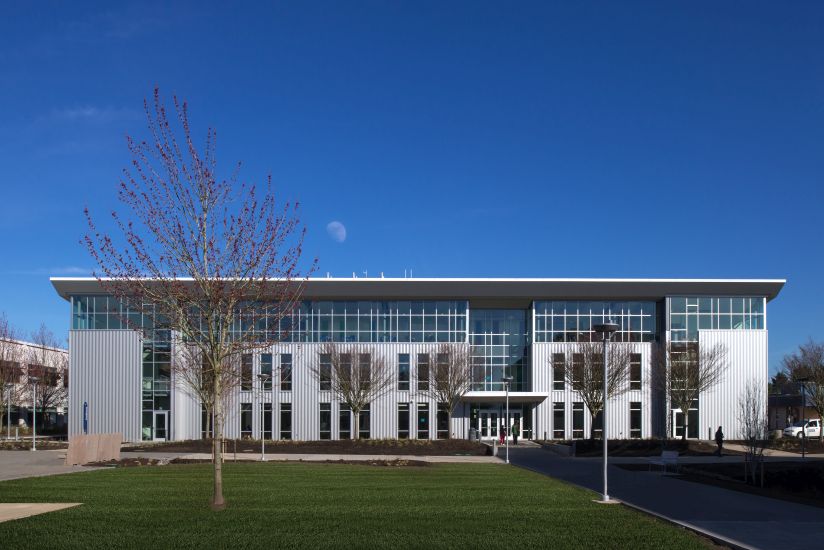
K–12 schools and higher education campuses frequently specify IMPs for their combination of energy efficiency, durability, and modern aesthetics. IMP systems offer a cost-effective way to achieve thermal performance goals while delivering the clean, contemporary appearance common in today’s educational facility designs.
Clean Rooms and Controlled Environments
IMPs are commonly used in clean rooms and other controlled environments where airtightness, smooth surfaces, and ease of cleaning are critical. Their tight joints and durable finishes help maintain strict environmental controls required in pharmaceutical, biotech, and advanced manufacturing settings.
Multifamily and Residential Applications
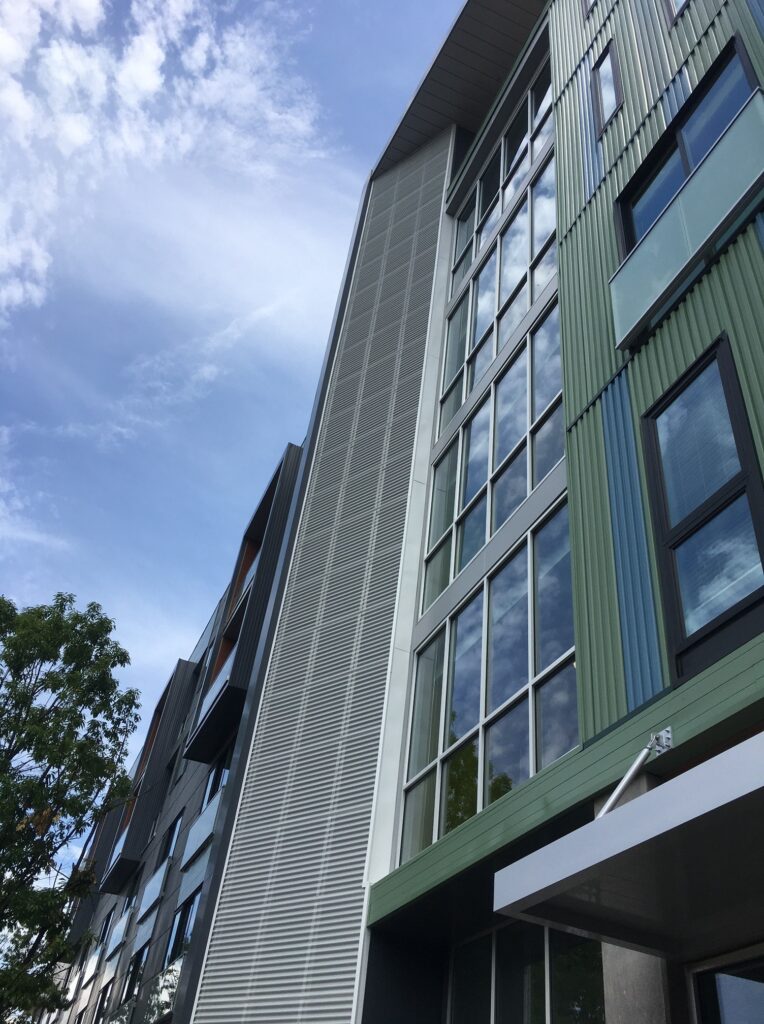
IMPs are increasingly being used in multifamily residential construction, particularly for exterior wall and roof systems. They provide continuous insulation that helps reduce energy costs and improve occupant comfort. IMPs are also a popular choice for retrofitting older apartment buildings to improve energy performance and modernize building exteriors.
Modular and Prefabricated Construction
Because they are factory-fabricated and easy to transport and install, IMPs are well suited for modular construction. Their speed of installation and integrated performance characteristics support efficient off-site fabrication and rapid on-site assembly.
Explore Real-World IMP Installations and Demos Only at METALCON
For professionals looking to deepen their understanding of insulated metal panels, METALCON offers year-round opportunities to learn from real-world projects, industry experts, and leading manufacturers. Through METALCON Online, design and construction professionals can access on-demand webinars and educational content covering IMP design, installation best practices, code compliance, and emerging trends — making it easy to stay current and earn continuing education credits without waiting for the annual event.
In addition, METALCON consistently brings together many of the world’s leading insulated metal panel manufacturers and solution partners on the show floor. Attendees can explore the latest IMP technologies, finishes, and performance innovations, speak directly with technical experts, and compare solutions side by side — all in one place.
When METALCON returns in October in Orlando, Florida, the in-person experience adds another layer of value, with live demonstrations, hands-on education, and real-world installation insights that help bring IMP systems to life. Together, METALCON and METALCON Online provide a comprehensive resource for staying informed on insulated metal panels — from technical education to product innovation and practical application.
To learn more about attending METALCON, click here to learn more.