Construction performance doesn’t just begin at the jobsite — it begins on the fabrication floor.
Behind every precisely formed metal panel, structural component, or architectural element is a fabrication process shaped by evolving machinery, automation, software, and production techniques. Industry trade shows that include fabrication technologies provide a critical window into these upstream innovations, connecting manufacturing advancements directly to downstream construction performance.
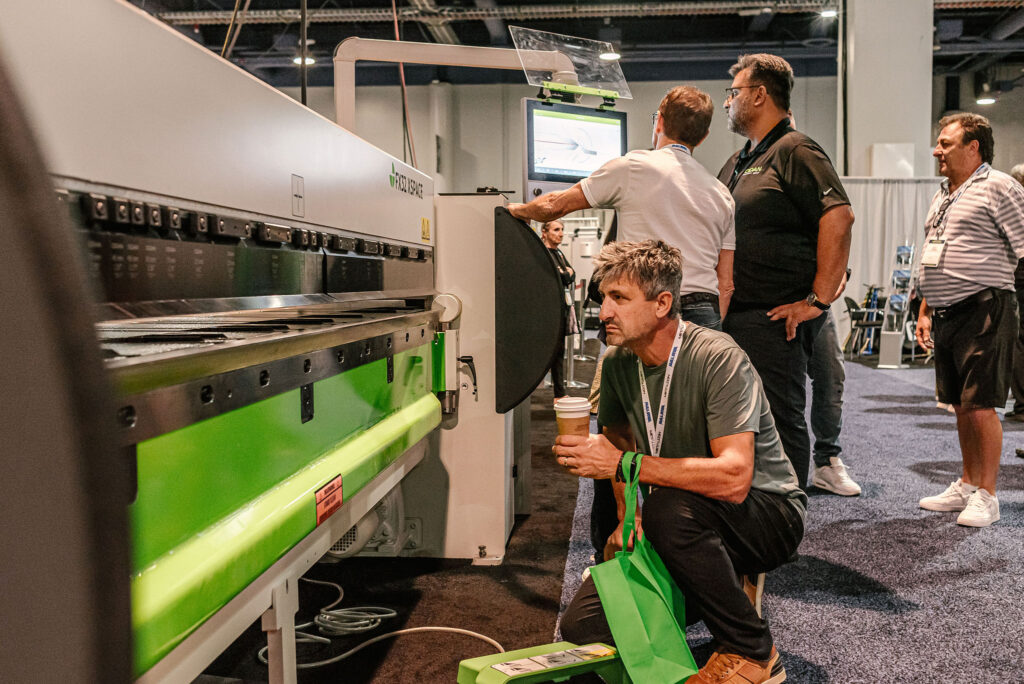
Learn Architecture reports, “Today’s buildings rely heavily on prefabricated and precision-manufactured components, produced in controlled factory environments before arriving onsite. This shift toward industrialized construction improves quality, speeds installation, and reduces costs by minimizing waste, improving consistency, and enabling parallel production and site preparation.”
As metal building systems grow more sophisticated, fabrication is no longer simply a production step — it is an integral part of the design and construction process. According to Metal Architecture, successful metal facade systems increasingly depend on early collaboration between architects, manufacturers, and construction teams to align design intent with fabrication capabilities. This coordination helps ensure that components can be manufactured efficiently and installed as intended, improving both performance and constructability.
Fabrication-focused exhibits and educational programming at industry events play a critical role in this evolution. These experiences showcase the equipment, automation, and processes shaping how building components are manufactured — giving contractors, architects, and specifiers valuable insight into innovations that directly affect construction quality, timelines, and cost control.
What Are Fabrication Trade Shows and Who Should Attend Them?
Fabrication-focused exhibits and educational programming at industry trade shows highlight the machinery, technology, materials, and workflows used to manufacture building components. Events like METALCON bring together equipment manufacturers, fabricators, engineers, and construction professionals to explore solutions that improve manufacturing precision, streamline installation, and enhance overall construction performance.
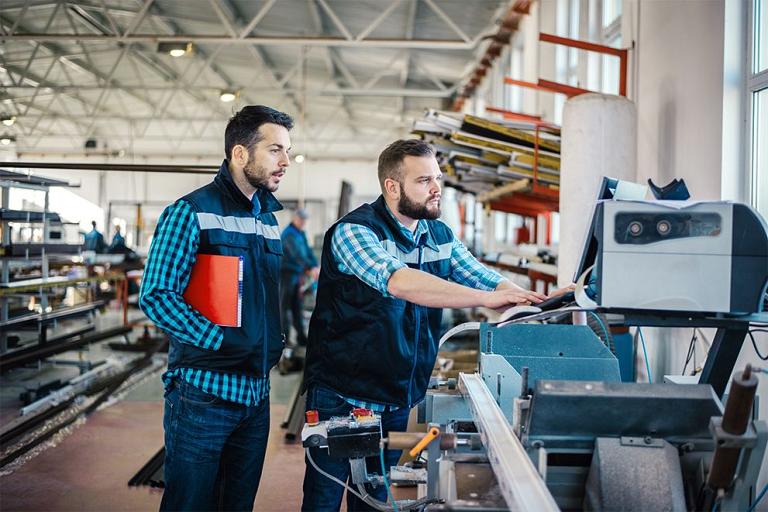
These exhibits focus specifically on how building components are produced — highlighting everything from CNC machinery and roll forming equipment to automation software, robotics, and quality control systems.
Professionals who benefit from attending include:
- Contractors seeking faster, more reliable material delivery
- Architects and specifiers focused on precision and design feasibility
- Project managers aiming to improve timelines and reduce delays
- Building owners interested in long-term performance and durability
- Fabricators evaluating new technologies to improve efficiency
These exhibits and educational sessions provide valuable insight into how fabrication capabilities directly influence project outcomes. Attendees gain exposure to technologies designed to streamline production, reduce waste, and improve the speed, accuracy, and predictability of construction projects.
Contractors and Specifiers: Why It Matters
Even if they don’t fabricate in-house, contractors and specifiers benefit from understanding how building components are manufactured. Fabrication-focused exhibits provide insight into production capabilities, lead times, tolerances, and material limitations—helping professionals make smarter decisions during design development and preconstruction.
That upstream awareness leads to fewer jobsite surprises, stronger collaboration with fabricators, and more predictable outcomes. According to Metal Architecture, advances in digital modeling, CNC manufacturing, and coordinated fabrication workflows allow building components to be manufactured with exceptional precision, reducing the need for field modifications and improving installation efficiency. When construction teams understand what happens on the fabrication floor, they’re better equipped to select systems that improve quality, streamline installation, and protect project budgets.
How Fabrication Innovation Is Driving Modern Metal Construction
Fabrication technologies featured at industry events play an important role in shaping modern metal construction, offering professionals insight into the tools and processes improving precision, productivity, and supply chain reliability.
Key trends commonly featured include:
Automation and robotics
Automation continues to transform fabrication by reducing manual variability and increasing production speed. Automated systems improve consistency while helping fabricators meet growing demand and deliver reliable, repeatable results.
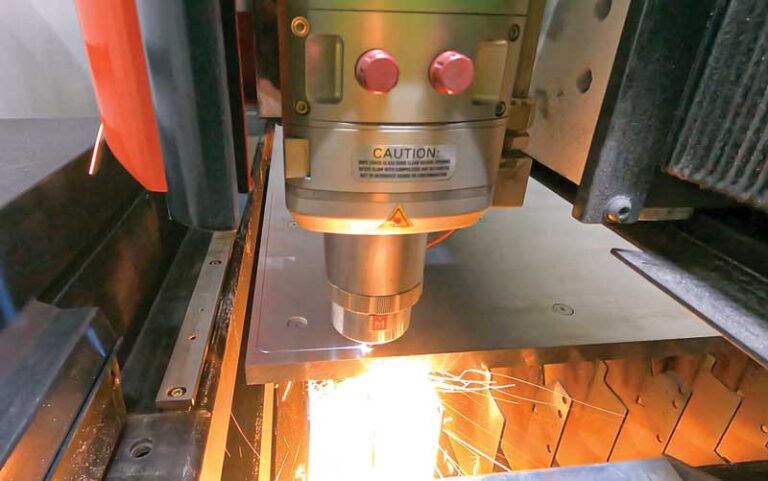
Digital integration and connected production workflows
Modern fabrication systems increasingly integrate CAD/CAM software directly with manufacturing equipment, allowing components to be produced exactly as designed while improving accuracy and reducing manual intervention.
Advanced cutting and forming technologies
High-precision cutting systems, automated roll forming, and intelligent CNC machinery enable tighter tolerances, faster production cycles, and more complex architectural designs. According to Metal Architecture, these digital-to-fabrication workflows help resolve critical details before production begins, improving constructability and ensuring components arrive ready for efficient installation.
Material efficiency and sustainability improvements
Controlled manufacturing environments optimize material usage and reduce waste, helping improve cost efficiency while supporting long-term building performance and sustainability goals.
By understanding these innovations, construction professionals gain valuable insight into how fabrication advancements contribute to faster timelines, improved quality, and more predictable project delivery.
How Fabrication Events Influence Construction Quality and Precision
Construction quality is directly tied to fabrication accuracy. When components are manufactured with precision in controlled environments, installation becomes more predictable, efficient, and reliable.
Advanced fabrication technologies help ensure tighter tolerances and better consistency, resulting in:
- Better-fitting components
- Reduced field modifications
- Improved structural and weather performance
- More consistent finished appearance
Metal Architecture says, modern fabrication workflows allow complex geometries, attachment details, and system transitions to be resolved before components reach the jobsite. This level of precision improves constructability, reduces installation challenges, and helps ensure systems perform as intended.
Exposure to fabrication technologies also helps contractors and specifiers better understand system capabilities and limitations, leading to more informed decision-making and smoother project execution. during construction. Understanding how metal components are fabricated provides valuable context for improving construction outcomes. Industry events that bring together both fabrication and installation professionals offer a unique opportunity to see how these processes connect.
Explore Fabrication Innovation at METALCON
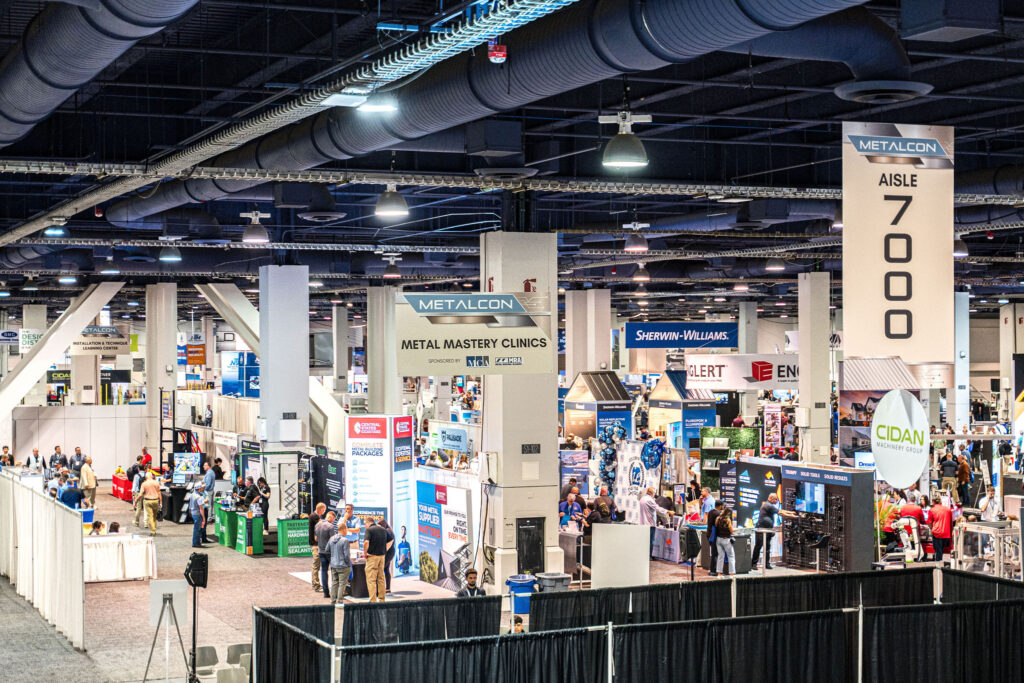
METALCON provides a unique opportunity to explore fabrication innovation within the broader context of metal construction. In addition to installation techniques, building systems, and jobsite solutions, attendees can discover the machinery, tools, and production technologies that shape how metal components are manufactured.
By bringing together fabricators, contractors, architects, and manufacturers, METALCON helps connect upstream production capabilities with downstream construction performance. This integrated perspective allows professionals to better understand how fabrication precision, material quality, and manufacturing efficiency contribute to faster installation, improved durability, and more predictable project outcomes.
As manufacturers play an increasingly important role in translating design concepts into buildable systems, access to fabrication knowledge becomes essential. METALCON provides a valuable opportunity to see firsthand how fabrication and construction intersect — helping industry professionals make more informed decisions and deliver higher-performing buildings.