The AI boom is creating a construction boom.
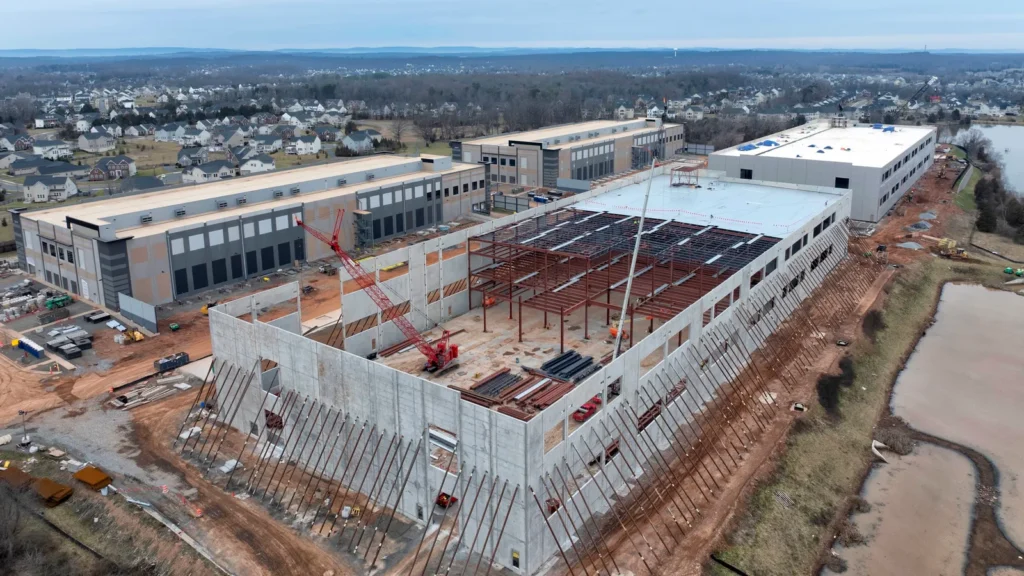
Behind every generative AI application, cloud platform and digital service is a growing physical infrastructure challenge: data centers capable of housing increasingly powerful computing equipment, managing enormous power and cooling demands, and operating reliably around the clock. The energy scale is staggering: the U.S. Department of Energy estimates data centers could account for as much as 15.3% of U.S. electricity use by 2030, with a midpoint estimate of 11.8%.
For developers, the challenge isn’t simply building more space. It is building mission-critical infrastructure faster, at larger scale and with enough flexibility to accommodate a technology landscape that continues to change.
Those demands are putting a new spotlight on metal construction.
From structural steel and metal building systems to prefabricated components, metal can offer a combination of speed, strength, scalability and precision that aligns closely with the needs of modern data center development. As AI drives the next generation of hyperscale and high-density facilities, those advantages are becoming increasingly difficult to overlook.
What’s Behind the Acceleration of Data Center Construction
The scale of the data center construction boom is difficult to overstate. According to the Associated General Contractors of America, data center construction starts totaled $77.7 billion in 2025, up nearly 190% from the previous year. The average data center started in 2025 measured 613,000 square feet and carried an average price tag of $633 million, with some hyperscale projects exceeding $10 billion.
Data center development was already expanding with the growth of cloud computing and digital services. Artificial intelligence, however, is adding a new — and extraordinarily powerful — source of demand, driving the need for larger facilities and significantly greater computing capacity.
Data center development is also becoming increasingly industrialized. Hyperscale operators are building at a scale that favors repeatable systems, standardized components and construction methods that can be replicated across campuses and markets. Rather than approaching every facility as a completely unique project, developers are looking for ways to create a proven approach — and then build on it.
That shift is changing not only how many data centers are being built, but how they are being built. And it is creating a natural opportunity for metal construction, where engineered systems, prefabricated components and off-site fabrication can bring greater consistency and efficiency to the process.
How Metal Building Systems Support Faster Data Center Delivery
For data center developers, speed has a very specific meaning: how quickly can a facility become operational?
Metal building systems and prefabricated metal components can shift significant portions of the construction process away from the jobsite and into controlled manufacturing environments. Components can be engineered, fabricated and prepared for installation before they arrive at the site, allowing multiple phases of work to progress more efficiently.
That approach can reduce the amount of work that has to be completed in the field while improving consistency and coordination. It also changes the relationship between construction and manufacturing.
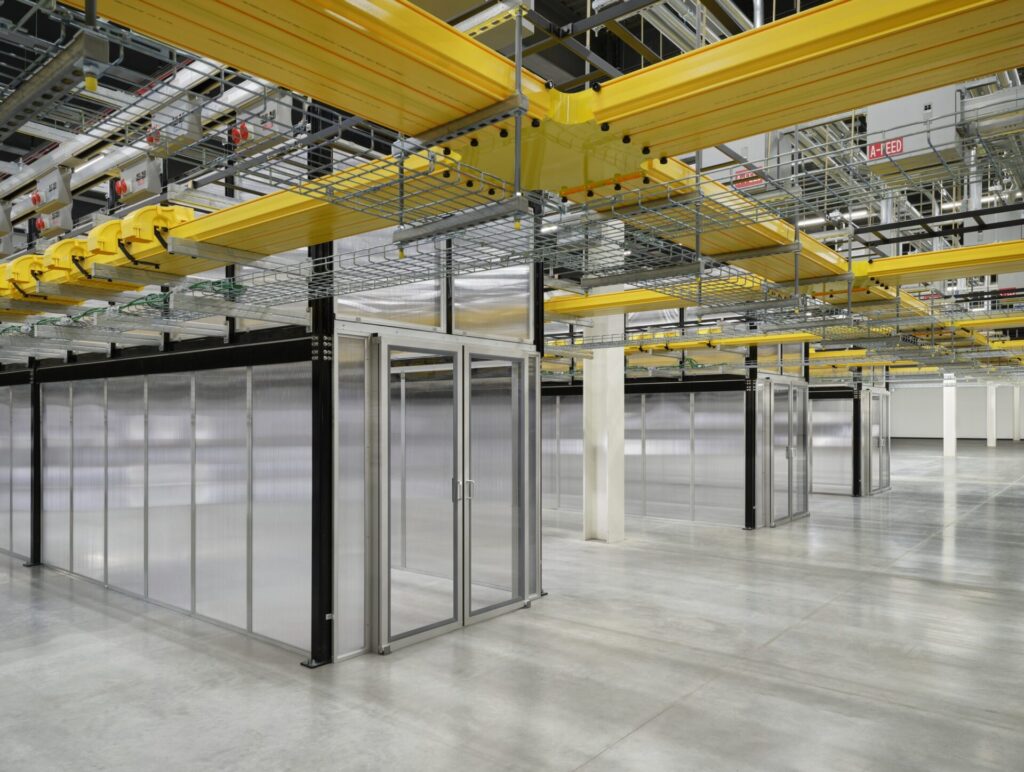
Prefabrication can also help accelerate data center delivery by shifting more work into controlled manufacturing environments. Components can be fabricated, assembled and quality-checked off-site while site work progresses in parallel, reducing field labor and helping contractors maintain more predictable schedules. For data centers, where every week of construction can affect when a facility begins generating revenue, that time savings can be significant.
This is where prefabrication can become more than a construction technique; it becomes a schedule strategy. Work can move forward simultaneously in the fabrication shop and on the jobsite, reducing the amount of work competing for space, labor and time in the field.
Metal construction isn’t just durable; it can help developers address one of their biggest priorities: getting a data center operational faster.
Why Scalability Matters in Data Center Design and Construction
Developers aren’t just building for today’s data center demand; they’re designing and constructing facilities that can grow with tomorrow’s demand. AI workloads are evolving rapidly, increasing computing capacity and changing requirements for power, cooling and equipment. For developers, that makes flexibility — and the ability to add capacity without starting over — an increasingly important consideration from the beginning of a project.
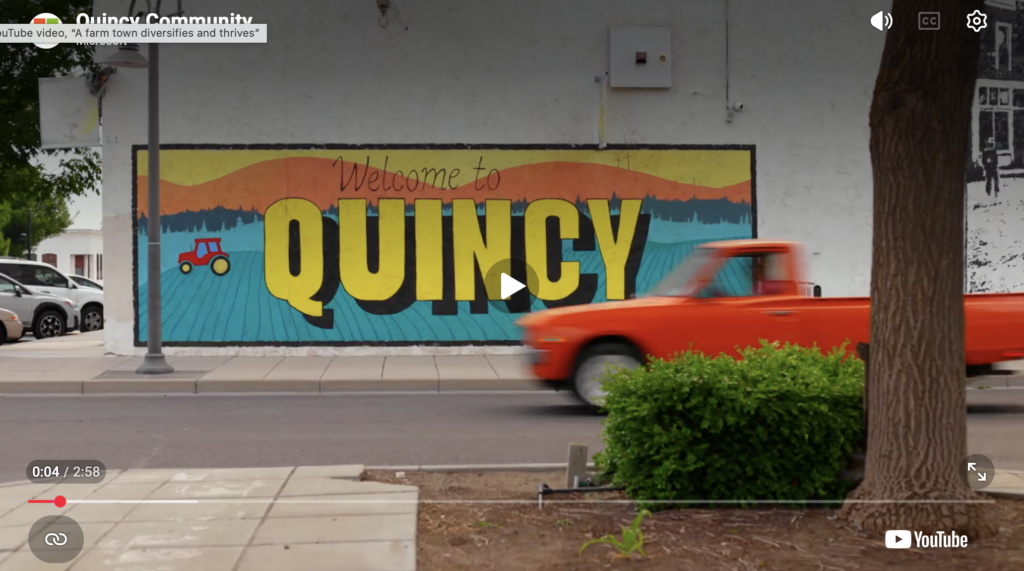
A real-world example of this approach is Microsoft’s development in Quincy, Washington. What began as Microsoft’s first company-owned data center has grown into two campuses containing more than 20 buildings and 2 million square feet of computing capacity. Microsoft’s earlier modular approach used pre-assembled components and expanded capacity in increments — an example of how repeatable, prefabricated construction can support a data center strategy that grows alongside demand.
That need for repeatability and expansion plays directly into the strengths of metal construction. Engineered metal building systems, structural steel and prefabricated components can be designed around repeatable systems that can be adapted, replicated and expanded across phases, buildings and even multiple campuses.
For today’s developers, scalability isn’t simply about building bigger — it’s about building a system that can grow. And the more data center construction moves toward repeatable, prefabricated and manufacturing-driven processes, the more important that distinction becomes.
How Metal Construction Supports Mission-Critical Performance
Data centers are mission-critical facilities. The buildings housing their infrastructure must withstand demanding structural and environmental conditions while protecting equipment and maintaining reliable operations. Metal construction brings several advantages that align closely with those requirements:
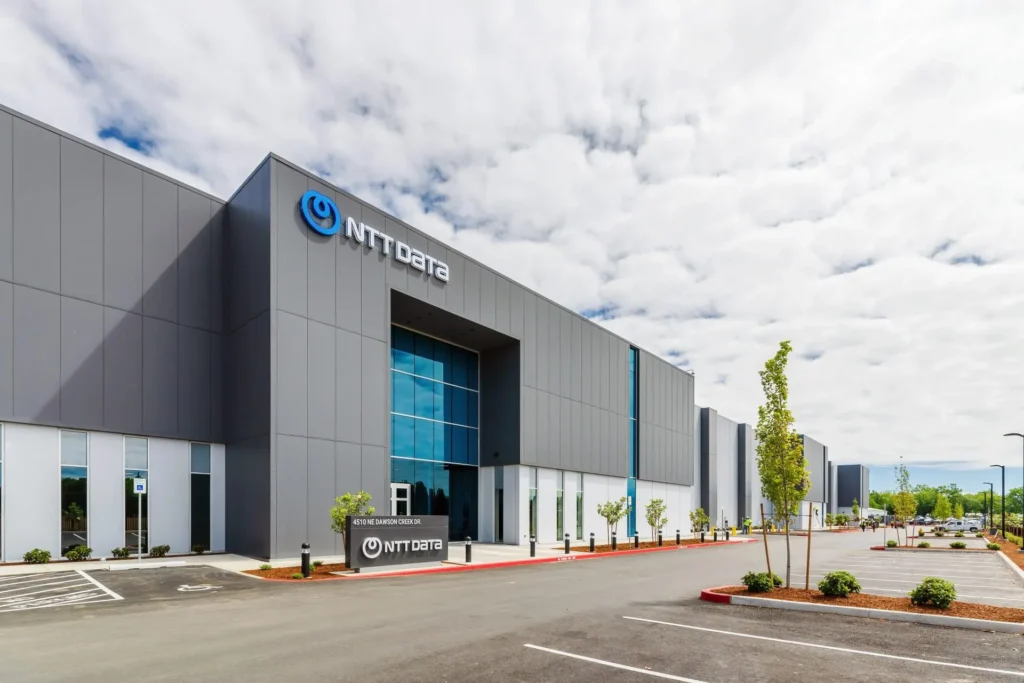
- Strength and structural performance: Structural steel can support large clear-span spaces and substantial loads from servers, mechanical systems, electrical infrastructure and other equipment. It can also be engineered to meet demanding requirements for wind, seismic and other site-specific conditions.
- Durability: Metal roofing and wall systems provide durable building envelopes designed to protect sensitive equipment from the elements and support long-term facility performance.
- Thermal performance: Insulated metal panels and other high-performance metal envelope systems can help maintain the controlled interior environments data centers require while supporting energy-efficiency goals.
- Precision and quality: Fabricating components in controlled environments allows for greater consistency and precision than relying entirely on field fabrication. For mission-critical facilities, reducing errors and rework can help protect both performance and project schedules.
- Prefabrication and installation efficiency: Moving more work off-site can reduce jobsite complexity and allow components to arrive ready for installation, supporting the speed and predictability developers need.
For data center developers, these advantages work together. The value of metal construction isn’t simply that steel is strong or that metal systems are durable; it’s the ability to combine structural performance, building-envelope protection, precision and construction efficiency in a facility where reliability is critical.
What the Data Center Boom Means for Metal Construction
The scale of the data center buildout is enormous — and so is the opportunity for the companies supplying the infrastructure behind it. McKinsey & Company estimates that approximately $6.7 trillion will be invested in data center infrastructure globally through 2030, driven largely by the rapid growth of AI workloads.
That investment goes well beyond servers and computing equipment. Data centers require a vast physical ecosystem of structures, supports, enclosures and fabricated components to house, cool, power and protect that equipment.
For the metal construction industry, that’s where the opportunity becomes particularly interesting. The data center boom is creating demand not only for buildings, but for the engineered metal systems and fabricated components that make those buildings work.
A recent Hirebotics article noted that opportunity can extend from server rack assemblies and structural steel frames to cooling-system skids, cable-management systems and other custom-fabricated components. In one example, a hypothetical data center project could require 1,300 identical weldments, 400 server racks and 850 cable-tray sections — more than 2,500 components requiring repeatable production and precise fabrication.
The common thread is repeatability at scale. As campuses expand and proven designs are replicated across markets, the ability to engineer, fabricate and deliver consistent components becomes increasingly valuable.
The opportunity, then, isn’t simply supplying steel for the building. It’s helping deliver the precision-engineered infrastructure inside it — from structural systems and equipment supports to racks, skids, enclosures and other fabricated components.
For the metal construction industry, the data center boom represents a significant new market — and a natural fit for the repeatable, precision-driven and increasingly prefabricated capabilities the industry already provides.
Discover What’s Next in Data Center Construction at METALCON
The rapid growth of data centers is creating challenges that extend well beyond construction materials and building systems.
Those issues — and the broader evolution of metal construction — will be part of the conversation at METALCON 2026 in Orlando. The education program includes “Building for Power: How Data Center Growth Is Reshaping Construction and Energy Planning,” which examines how developers, owners and contractors are responding to growing power demands, longer interconnection timelines and increasing uncertainty around energy availability.
The show’s Design District also offers sessions that connect directly to the trends shaping modern construction, including “Why Metal Wins” and a Masterclass on shipping container upcycling and modular steel units.
Together, these sessions reflect a larger conversation happening across the industry: how can construction evolve to meet the speed, scale and complexity of the data center boom — and what lessons can that evolution bring to the broader built environment?
For an industry increasingly involved in building the physical infrastructure behind AI and digital growth, those are questions worth exploring.