
3D Printing in Metal Construction: Key Uses and Future Impacts

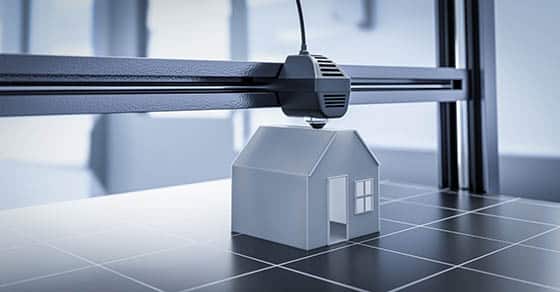
Single-family house 3d printing concept; Credit: Mauldin & Jenkins

Moving beyond the world of prototypes and plastic models, today 3D printing is helping to reshape how we design, fabricate, and build with metal in the construction industry. From reducing material waste to enabling complex architectural forms, 3D printing is revolutionizing metal construction and paving the way for faster, smarter, and more sustainable building methods. As with most innovations, 3D printing in construction has faced its share of skepticism — but today, it’s clear this technology is more than a passing trend. With a growing list of successful projects and long-term business advantages, 3D printing is quickly becoming a cornerstone of future-forward building, especially in the world of metal construction.

How 3D Printing is Used in the Construction Industry

1. Metal Component Fabrication

DED Machines by AddUp: Advanced Metal 3D Printing

3D printing enables the precise creation of custom metal parts — brackets, joints, fasteners, and even entire structural components. The most common metals used in 3D printing are aluminum, stainless steel, titanium, copper and nickel-based alloys. This method is particularly valuable for projects that require non-standard or complex geometries that would be difficult or expensive to produce using traditional methods.

2. Modular Building Elements

Additive manufacturing is used to print modular metal components off-site and deliver them to the job site ready for assembly. This saves time, improves consistency, and reduces waste—benefits that are especially appealing in today’s fast-paced construction environment.

3. Restoration and Retrofitting

Historic restoration projects often require parts that are no longer manufactured. 3D printing can replicate legacy parts for renovations or restoration projects, including unique decorative or functional metal features that are no longer available through conventional manufacturing.

The Future of 3D Printing in Metal Construction

1. Increased Speed and Reduced Costs

As highlighted by ConstructConnect, the future of 3D printing lies in its ability to accelerate project timelines and drive down costs. In metal construction, this translates to dramatically faster fabrication of structural frames, facades, and roofing components. On-demand production also reduces reliance on supply chains, helping to minimize delays and keep projects on track.

Contractors can offer in-field, 3D scanning deliverables: scan the site, capture data for real-time analysis, and upload it to a 3D model for office and field teams to use immediately; Credit: Trimble Construction

2. Streamlining Supply Chains

As 3D printing becomes more accessible, on-demand fabrication will reduce dependence on traditional supply chains. Contractors and fabricators will be able to print needed parts on-site or locally, minimizing delays due to shortages or shipping.
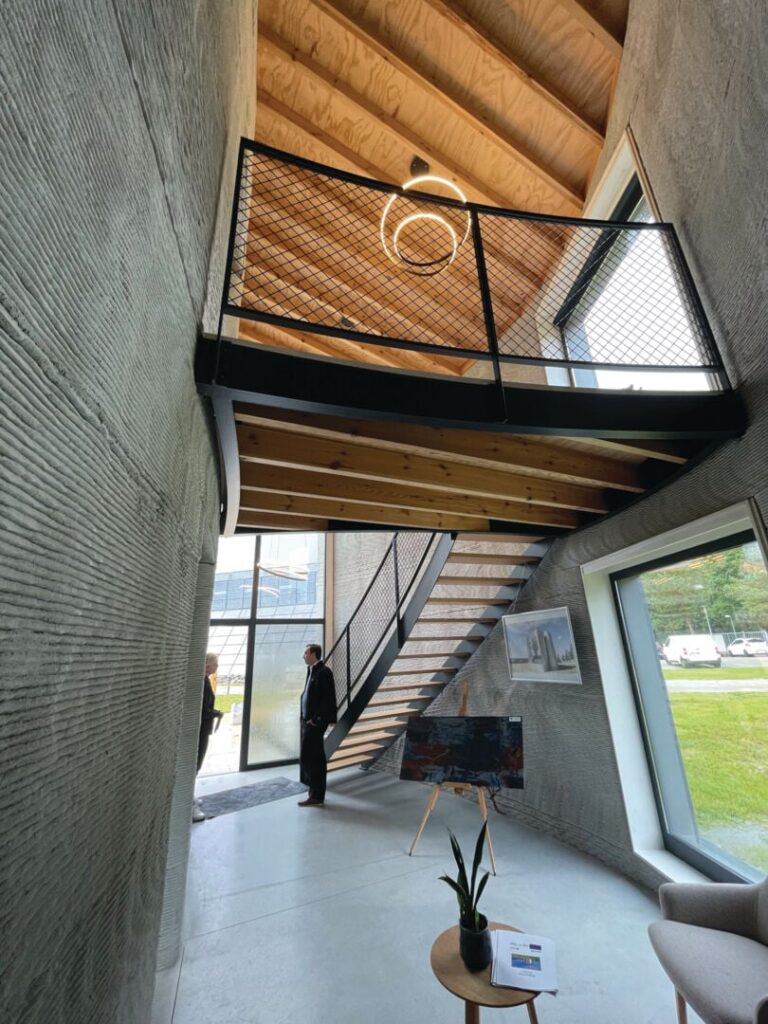
Home interior created with 3DCP (3D construction printing) construction technology; Credit: Advanced Manufacturing

3. Enhancing Design Freedom and Innovation

3D printing empowers architects and engineers to push the limits of form and function. Complex metal latticework, curved façades, and lightweight trusses can be fabricated more efficiently and with enhanced structural performance. As ConstructConnect puts it, “With 3D printing, if you can dream it, you can make it. You can create any shape or angle, opening the door to new creative designs.”

4. Sustainability and Material Efficiency

3D printing produces far less waste than subtractive methods. As sustainability becomes a higher priority, additive manufacturing will support greener construction by using only the necessary material and incorporating recycled metals into the process.


Stay Current on 3D Printing in Metal Construction with METALCON

As 3D printing technology continues to evolve, METALCON remains at the forefront of innovation in metal construction. If you’re intrigued by how 3D technologies like modeling and printing are reshaping metal construction, don’t miss METALCON 2026, scheduled for October 7 – 9 at the Orange County Convention Center in Orlando, Florida. From inspiring keynotes to hands-on training to over 35 free educational sessions, learn from the best in the industry.

Be there to witness the synergy of design, technology, and metal craftsmanship—only at METALCON. Sign up to receive show updates.

Share:

More Posts from the METALCON blog:

Beyond the Roof: Rethinking the Building Envelope with IMPs

Beyond the Roof: Today’s Insulated Metal Panels are helping architects and designers tackle some of the industry’s biggest challenges — from energy efficiency and resilience to sustainability, speed of construction, and modern building envelope performance.
At METALCON, the conversation goes deeper through the Design District @ METALCON, where architects, engineers, specifiers, contractors, and manufacturers come together to explore the future of high-performance building design.

Read More »

METALCON Launches 40 Under 40 Recognition Program

Recognizing the rising leaders shaping the industry METALCON has launched its new 40 Under 40 Recognition Program, highlighting rising leaders driving the future of metal construction. Forty professionals, age 40 and under, will be honored for their work influencing projects, teams and processes – from jobsites and fabrication floors to engineering and design – at the only event where the metal construction industry comes together to make decisions, build partnerships and shape what’s next. “The program spotlights professionals who are already making an impact

Read More »

Common Types of Metal Used in Construction

From ancient tools to modern skyscrapers, metal has always played a defining role in how we build. From ancient tools to modern skyscrapers, metal has always shaped how we build. In our previous post on ancient metallurgy, we explored how early innovations still influence today’s materials — read the full blog here. Now, that evolution is accelerating. New materials, smarter systems, and advanced applications are reshaping construction at a rapid pace. Because of this, understanding the most common metals used

Read More »

Ancient Metallurgy Lessons for Modern Metal Construction 

The evolution of metalworking is a story of constant innovation — one that began thousands of years ago. Our latest blog explores how lessons from ancient metallurgy still shape modern metal construction. At METALCON, that story continues, bringing professionals together to discover the technologies and insights defining what’s next.

Read More »

Newsletter April 2026

BE WHERE THE METAL CONSTRUCTION YEAR IS MADEThree days in October where decisions are made, partnerships are formed, and the next 12 months of business take shape.After 35 years, METALCON is where the industry comes together to do real business—see what’s new, strengthen supplier relationships, find partners for upcoming work, and get a clear read on where things are headed. It’s why October often feels like the start of the year for so many in the industry. Choose from a

Read More »

METALCON 2026 Registration Now Open as Event Marks 35 Years 

Registration launch introduces expanded complimentary access for students, apprentices, and press as the event enters a milestone year Newton, MA – Registration for METALCON 2026 is now open, marking the start of a landmark year for the annual metal construction and design event. Now in its 35th year, the event continues to serve as the place where professionals across the industry come together to evaluate solutions, build partnerships, and make decisions that shape the year ahead. METALCON isn’t just another

Read More »

Types of Fasteners: Finding the Right One for Your Project

From roofing systems to solar and structural steel, fasteners play an important role in the performance of metal construction projects. Discover real-world applications, expert insights, and industry resources to help guide your fastener selection, with METALCON as your connection to the latest in metal construction education and innovation.

Read More »