When evaluating a new building project, the conversation often starts with materials — but for owners and developers, the decision is ultimately about business performance.
While wood remains a practical solution for many applications, developers are increasingly evaluating metal building systems based on factors that extend beyond upfront material costs, including construction speed, durability, maintenance requirements, risk mitigation, and long-term return on investment.
A Business Case for Wood Buildings
Wood remains a popular choice for certain projects due to its availability and familiarity.
Advantages of Wood Buildings
- Lower upfront material costs in some markets
- Familiar construction methods and labor pool
- Suitable for many residential and light commercial applications
- Natural aesthetic appeal
Challenges for Owners and Developers
- Greater exposure to weather-related delays during construction
- Vulnerability to fire, moisture, mold, rot, and pests
- Higher long-term maintenance requirements
- Potential variability in material quality and performance
- Increased risk of unexpected repair and replacement costs over time
While wood may offer initial cost advantages, those savings can quickly erode when project delays, maintenance demands, or future repairs enter the equation.
Why Developers Are Increasingly Choosing Metal
For many commercial, industrial, institutional, and mixed-use projects, metal buildings are proving to be a stronger business decision.

Advantages of Metal Buildings
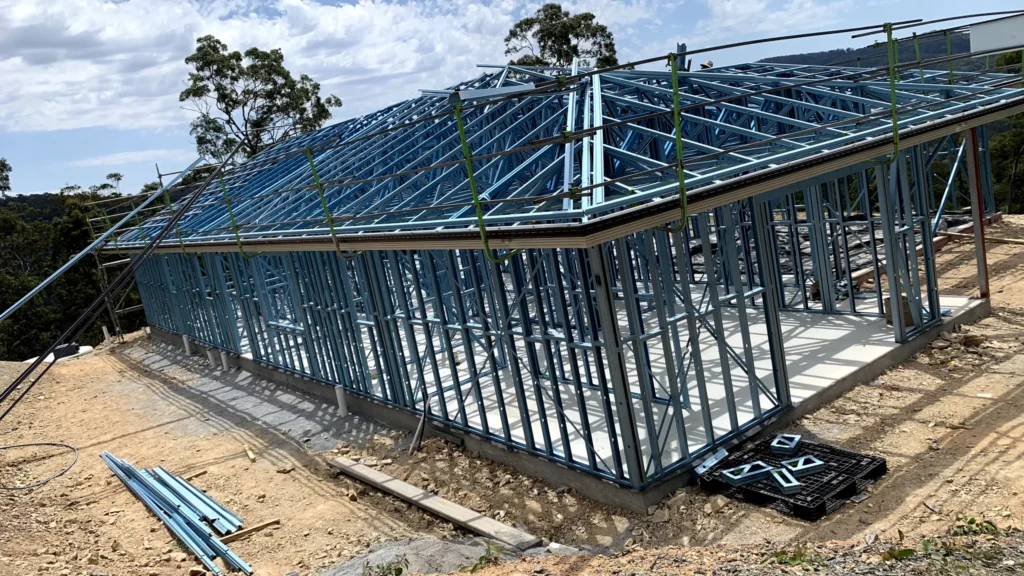
- Faster construction timelines through prefabrication
- Greater cost predictability throughout the project lifecycle
- Superior resistance to fire, pests, moisture, and extreme weather
- Lower maintenance requirements
- Longer service life and improved asset durability
- Recyclable and sustainable building components
More importantly, these advantages directly affect a project’s financial performance.
Faster Construction Means Faster Revenue
Time is money on every development project. Metal building systems can be manufactured off-site and delivered ready for installation, reducing labor requirements and shortening construction schedules.
For owners, a faster build means:
- Earlier occupancy
- Faster tenant move-ins
- Earlier revenue generation
- Reduced financing and carrying costs
- Quicker return on investment
When a building opens weeks or even months sooner, the financial impact can be substantial.
Lower Risk Means Greater Predictability
Developers spend significant time managing risk. Material choices can either reduce uncertainty or create more of it.
Compared to wood, metal buildings offer:
- Lower risk of fire-related losses
- Reduced vulnerability to insects and pests
- Better performance in high-wind environments
- Less susceptibility to moisture-related damage
- Greater consistency and quality control through manufacturing
The result is fewer surprises, fewer delays, and greater confidence in project outcomes.
Protecting Long-Term Asset Value
The financial performance of a building doesn’t end when construction is complete.
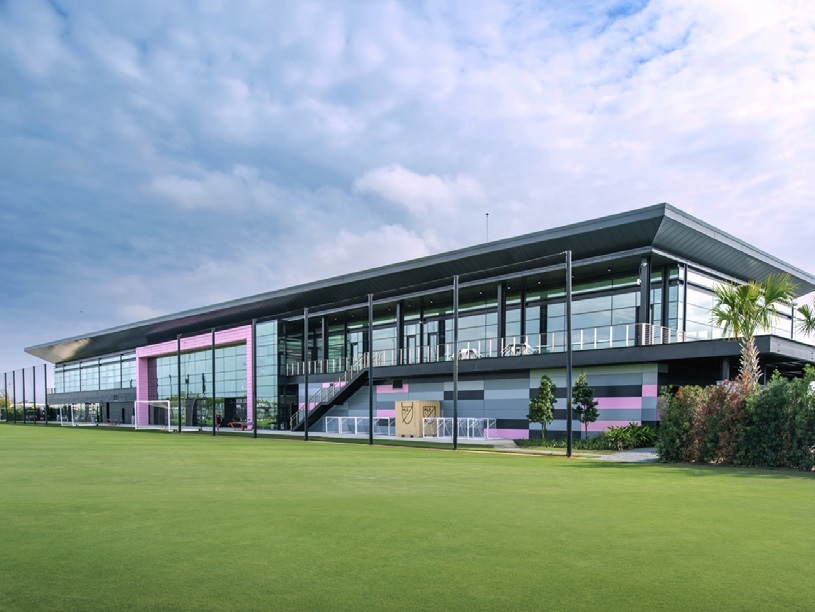
Metal buildings typically require less maintenance over their lifespan and are less likely to experience costly repairs related to structural deterioration, moisture intrusion, or pest damage. This can help owners reduce lifecycle costs while preserving the long-term value of their investment.
For developers focused on asset performance, fewer unexpected capital expenditures can translate directly into stronger returns.
Choosing Between Steel Frame vs Wood Frame Construction
The advantages of metal become even clearer when comparing the framing systems themselves.
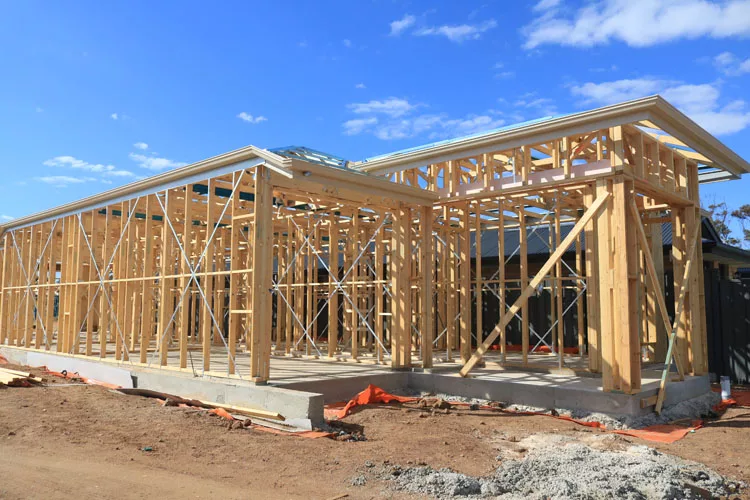
Steel framing is manufactured through highly automated roll-forming processes, producing precise and consistent components. Wood framing, by comparison, is subject to natural variations, including knots, warping, shrinking, and other imperfections.
Key differences include:
- Precision: Steel framing delivers consistent dimensional accuracy, while wood can vary naturally.
- Efficiency: Steel components are often prefabricated, reducing jobsite waste and accelerating installation.
- Sustainability: Steel is 100% recyclable and can be reused repeatedly without losing performance.
- Predictability: Manufactured steel components provide greater quality control and fewer field modifications.
For owners and developers, these differences often translate into more reliable schedules, fewer change orders, and better overall project outcomes.
Beyond the Material: Building Smarter Projects
Choosing a building system isn’t simply about comparing upfront costs. The most successful projects consider the full picture: construction speed, risk management, operational costs, durability, and long-term asset performance.
As developers face increasing pressure to control costs, accelerate schedules, and maximize returns, metal building systems continue to stand out as a solution that supports both immediate project goals and long-term investment strategies.
Why METALCON Matters
The decisions made during planning and design have lasting consequences for a project’s profitability and performance. That’s why staying informed about the latest materials, technologies, construction methods, and industry best practices is critical.
For owners and developers, evaluating building systems often requires input from architects, contractors, manufacturers, engineers, consultants, and technology providers. METALCON brings these stakeholders together in one place, making it easier to compare options, identify emerging trends, and make more informed project decisions.
METALCON supports the industry year-round through its growing METALCON Online library of webinars and educational resources, while its annual event, taking place in Orlando, October 7–9, brings together the entire metal construction ecosystem in one place. Having the opportunity to connect with every stakeholder in the building process under one roof provides insights that can help reduce risk, improve decision-making, and maximize project returns.
This is exactly why METALCON matters — because it’s where you can evaluate materials, systems, and partners side by side before making decisions that impact your entire project.