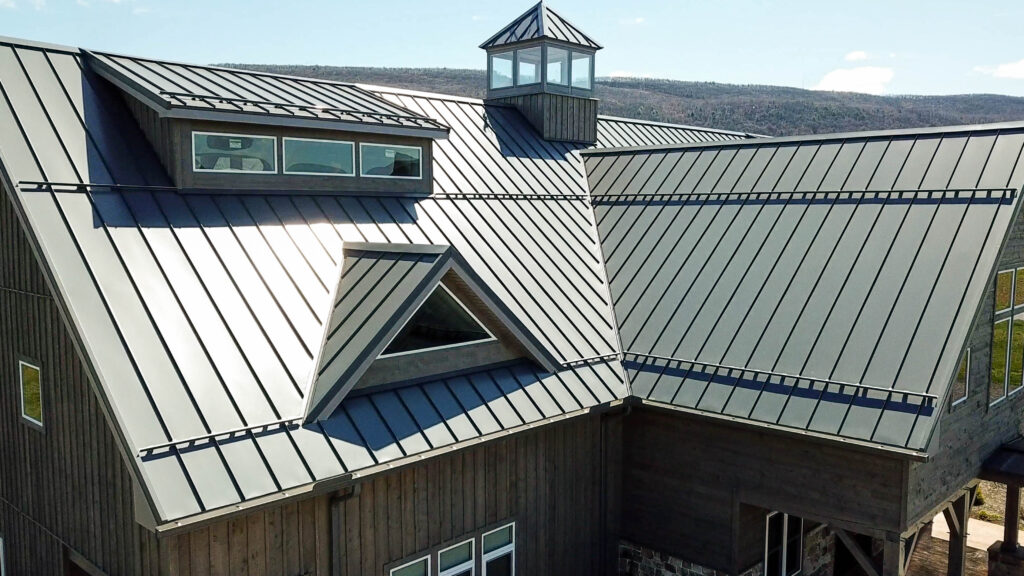
Metal roofing continues to gain popularity across both residential and commercial sectors—and for good reason. Known for its unmatched durability, sustainability, and sleek aesthetics, metal roofing is a smart investment with a long service life and low maintenance requirements. But despite its many advantages, outdated misconceptions still cloud the conversation.
At METALCON, the metal construction industry’s only global event dedicated to the application of metal in construction and design, we’re here to set the record straight. With the expert insights from trusted metal roofing authority Rob Haddock, Director of the Metal Roof Advisory Group and charter inductee to the Metal Construction Hall of Fame, we’re debunking five of the biggest myths still circulating about metal roofing—and why you can leave them behind.
Myth #1: Metal Roofs Are Noisy When It Rains
This is one of the most common—and persistent—myths about metal roofing. Many people picture the loud pinging of rain hitting a barn or shed, which often has no insulation or ceiling material to muffle the sound. But today’s metal roofs are installed over solid sheathing, insulation, and underlayment—just like any other roofing system. With these layers in place, metal roofs are no louder than asphalt shingles or tile roofs during a storm.
TRUTH: When properly installed, a metal roof is no noisier than any other roof—thanks to insulation, underlayment, and interior finishes that significantly reduce sound transmission.
Myth #2: Metal Roofs Attract Lightning
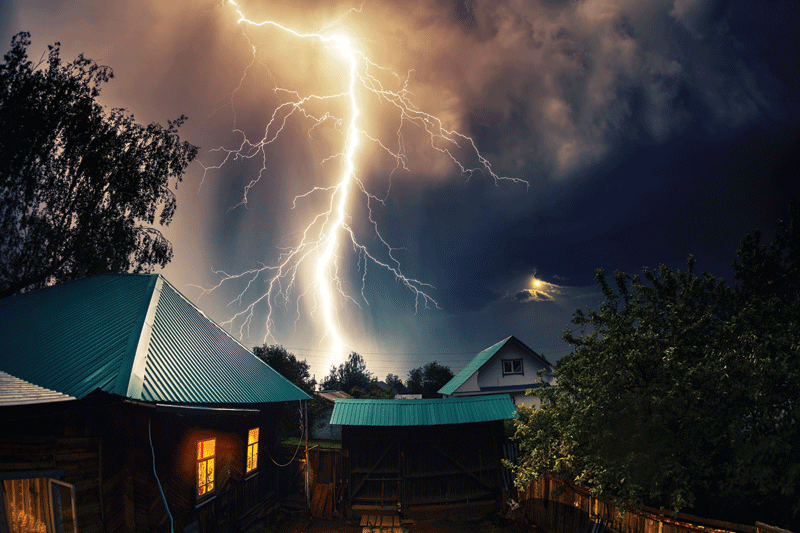
This misconception stems from the fact that metal is a conductor—but that doesn’t mean it attracts lightning. Lightning seeks the highest point in an area, regardless of its material. So if your home is the tallest structure nearby, it could be struck whether it has a metal roof or not. The good news? A metal roof is actually safer during a lightning strike. Its conductivity helps disperse energy safely into the ground when properly grounded, minimizing the risk of fire and structural damage.
TRUTH: Metal roofs don’t increase your risk of a lightning strike—and if lightning does strike, metal is one of the safest roofing materials you can have.
Learn more about lightning and metal roofing in the Metal Construction Association’s technical bulletin, “Lightning Strikes and Metal Roofing.”
Myth #3: A Metal Roof Makes a Home Warmer Inside
While it’s a common misconception, a metal roof will not make your home warmer inside. Metal roofs have low thermal mass, and with the infrared-reflective pigments used in modern finishes, they actually reflect most of the sun’s heat, keeping your home cooler during the summer months. Also, due to its thermal mass, it dissipates heat much more rapidly than other roofing materials. The best way to reduce heat transfer into your home is to add insulation to the attic floor and ensure your windows and doors are properly sealed. These steps are effective for improving energy efficiency in any home.
TRUTH: Metal roofs help keep homes cooler in the summer by reflecting heat, and proper insulation and sealing are the best ways to regulate indoor temperatures year-round.
Myth #4: You Have to Remove Old Shingles Before Installing a Metal Roof
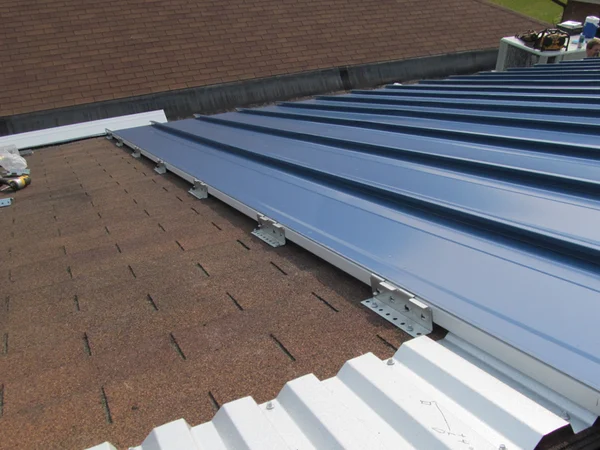
Not always! One of the advantages of metal roofing is that, in many cases, it can be installed directly over existing shingles. This can significantly reduce labor costs, shorten installation time, and minimize environmental impact by keeping old shingles out of landfills. However, if the underlying shingles are severely warped or damaged, your installer may need to use furring strips or make surface adjustments to ensure a flat, secure fit.
TRUTH: In most cases, metal roofs can be installed over old shingles, making for a faster, more cost-effective upgrade.
Myth #5: Hail Will Easily Dent a Metal Roof
While no roofing material is completely immune to extreme hail, metal—especially steel—holds up remarkably well. Thicker gauge panels can resist hail up to two inches with little to no visible damage. Even when cosmetic dents occur, they rarely impact a roof’s performance or longevity. Don’t be fooled by scare tactics from storm-chasing contractors—metal roofs are built tough.
TRUTH: Metal roofs are highly impact-resistant and engineered to withstand hail with very low risk of structural damage.
Learn More About Metal Roofing at METALCON
Ready to dive deeper into metal roofing performance, innovation, and best practices? Join us at METALCON, where industry leaders like Rob Haddock and others share firsthand knowledge through live demos, expert panels, and hands-on training.
Mark your calendar and explore the future of roofing — only at METALCON, scheduled for October 7-9 at the Orange County Convention Center in Orlando, Florida.