Not long ago, metal construction was most closely associated primarily with warehouses, manufacturing facilities and agricultural buildings. Today, that perception is changing as metal is increasingly specified across a broader range of commercial, institutional, residential, and mixed-use projects.

Across the construction industry, developers and building owners are facing a new set of challenges. Labor shortages continue to strain project schedules. Sustainability expectations are increasing. Insurance costs are rising. Extreme weather events are prompting greater focus on resilience. At the same time, owners are under pressure to deliver projects faster while maximizing long-term asset performance.
These realities are changing how projects are evaluated — and why more developers are increasingly looking at metal as part of the solution.
The Trends Behind the Shift
The growing interest in metal construction isn’t happening by accident. Several industry forces are converging at the same time.
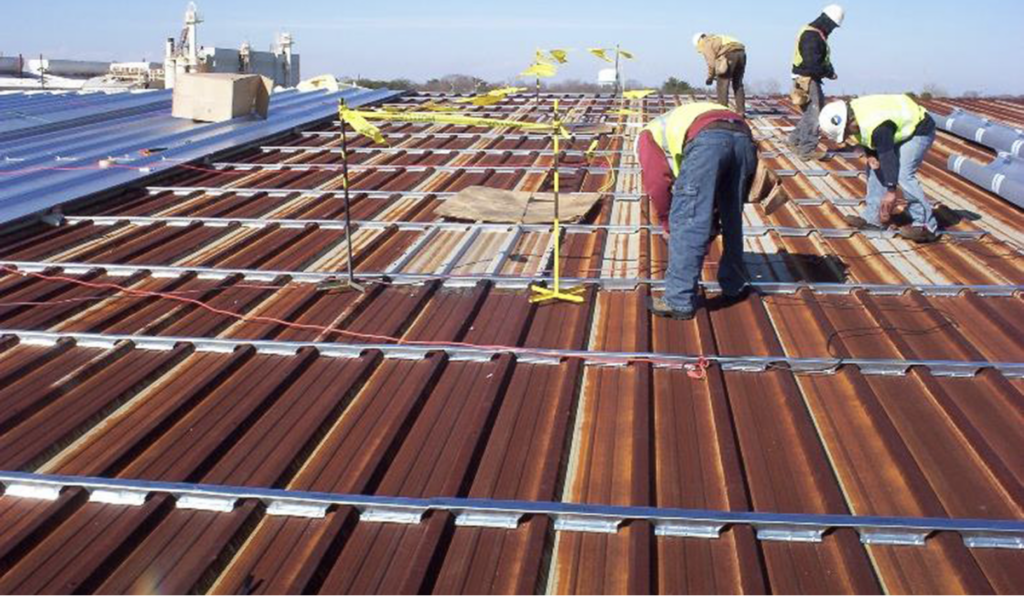
According to a Buildway article about emerging metal building trends … labor shortages, sustainability requirements, accelerated project timelines and rapid digital adoption are collectively reshaping the future of construction. The article also notes that advances in steel manufacturing are producing lighter, stronger and more durable materials that can help reduce lifecycle costs while improving building performance.
These observations align closely with themes METALCON has explored in previous industry coverage, including our blog 5 Powerful Reasons to Incorporate More Metal Into Your Construction Builds, which highlighted resilience, sustainability, labor efficiency and scalability as key drivers behind metal’s growing role in construction.
What’s becoming increasingly clear is that these aren’t simply industry trends — they’re influencing real-world project decisions today.
Building in an Era of Complexity
Today’s construction environment looks very different than it did a decade ago. Developers must balance tight schedules, rising insurance costs, workforce shortages, sustainability goals and increasing demands for resilience — all while delivering projects that meet financial expectations.
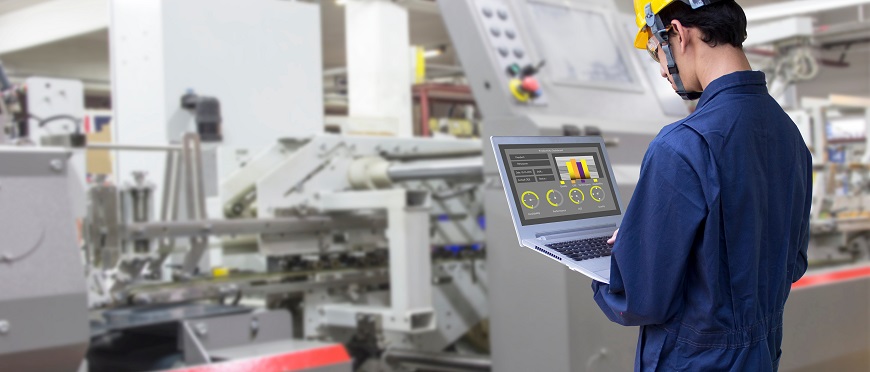
At the same time, expectations for building performance continue to rise. Owners want facilities that are energy efficient, durable, adaptable and capable of supporting long-term operational goals.
These pressures are changing how projects are evaluated. Rather than focusing solely on upfront construction costs, developers are increasingly prioritizing lifecycle value — examining how buildings will perform, adapt and generate returns over decades of use.
Metal building systems align with many of these priorities, offering durability, efficiency and flexibility that extend well beyond project completion.
The conversation is changing. Instead of focusing primarily on upfront construction costs, developers are evaluating buildings through a much broader lens — one that considers long-term operating performance, resilience, flexibility and lifecycle value. Those evolving priorities are reshaping project decisions and helping explain why metal is gaining greater consideration across an increasingly diverse range of building types.
Speed-to-Market Is a Competitive Advantage
Whether it’s a logistics center, manufacturing facility, data center or commercial development, getting a building operational quickly can significantly impact profitability.
Engineered metal building systems and prefabricated components can often accelerate construction schedules by reducing on-site labor requirements and streamlining installation. In an industry still grappling with skilled labor shortages, that efficiency can be a major advantage.
For developers, faster construction doesn’t simply mean meeting deadlines — it can mean earlier occupancy, quicker revenue generation and improved project economics.
Resilience Is No Longer Optional
Extreme weather events, rising insurance premiums and growing concerns about business continuity are forcing owners to rethink resilience.
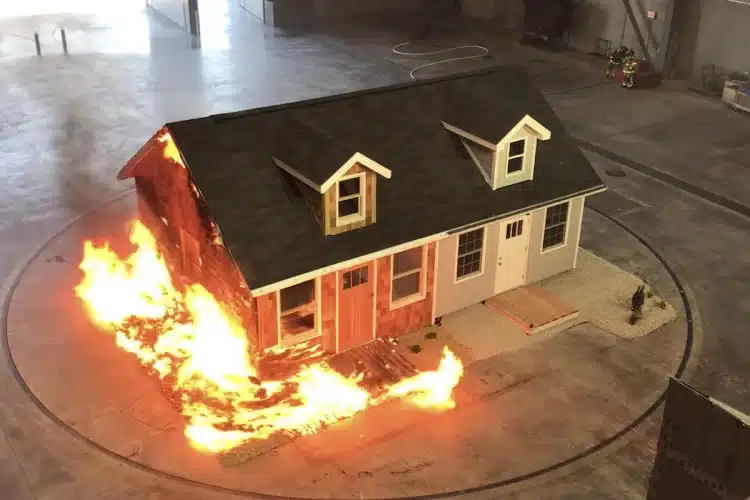
Many owners now expect buildings to do more than simply meet minimum code requirements. They must protect assets, withstand environmental challenges and remain operational over the long term.
Modern metal roofing, wall and structural systems are engineered with durability in mind, helping owners address concerns related to fire, wind, moisture and long-term performance. As resilience becomes a business requirement rather than a design preference, metal continues to gain attention as part of the solution.
Sustainability Meets Practicality
Sustainability remains a priority across the built environment, but today’s developers are increasingly looking for solutions that combine environmental responsibility with financial performance.
Metal supports many of those objectives. Its recyclability, high recycled content and long service life contribute to sustainability goals while helping reduce waste and replacement cycles over time. As we explored in 5 Powerful Reasons to Incorporate More Metal Into Your Construction Builds, metal’s role in supporting circular construction and decarbonization efforts continues to gain importance as owners evaluate long-term building performance.
More importantly, sustainability is no longer viewed as a standalone initiative. It has become closely tied to operational efficiency, investor expectations and long-term asset value.
Flexibility for an Uncertain Future
One of the greatest challenges facing developers is predicting how buildings will be used years from now.
Tenant needs evolve. Technology changes. Markets shift.
Metal building systems offer flexibility that can help accommodate future expansion, equipment upgrades, tenant improvements and and changing operational requirements. That adaptability allows owners to extend the useful life of their facilities and maximize the value of their investment.
In an environment where change is the only constant, flexibility has become a valuable asset.
Looking Beyond the Roof
For owners and developers, the appeal of metal extends beyond construction efficiency. Modern metal building systems offer the potential for more durable, energy-efficient and increasingly intelligent facilities that can deliver lower operating costs, greater adaptability and stronger resilience against future regulatory, environmental and market pressures.
As owners and developers look for ways to reduce risk, accelerate schedules, improve building performance and create long-term value, metal is emerging as a strategic choice that extends far beyond the roofline.
For many owners and developers, metal is becoming more than a material choice — it’s part of a broader business strategy.
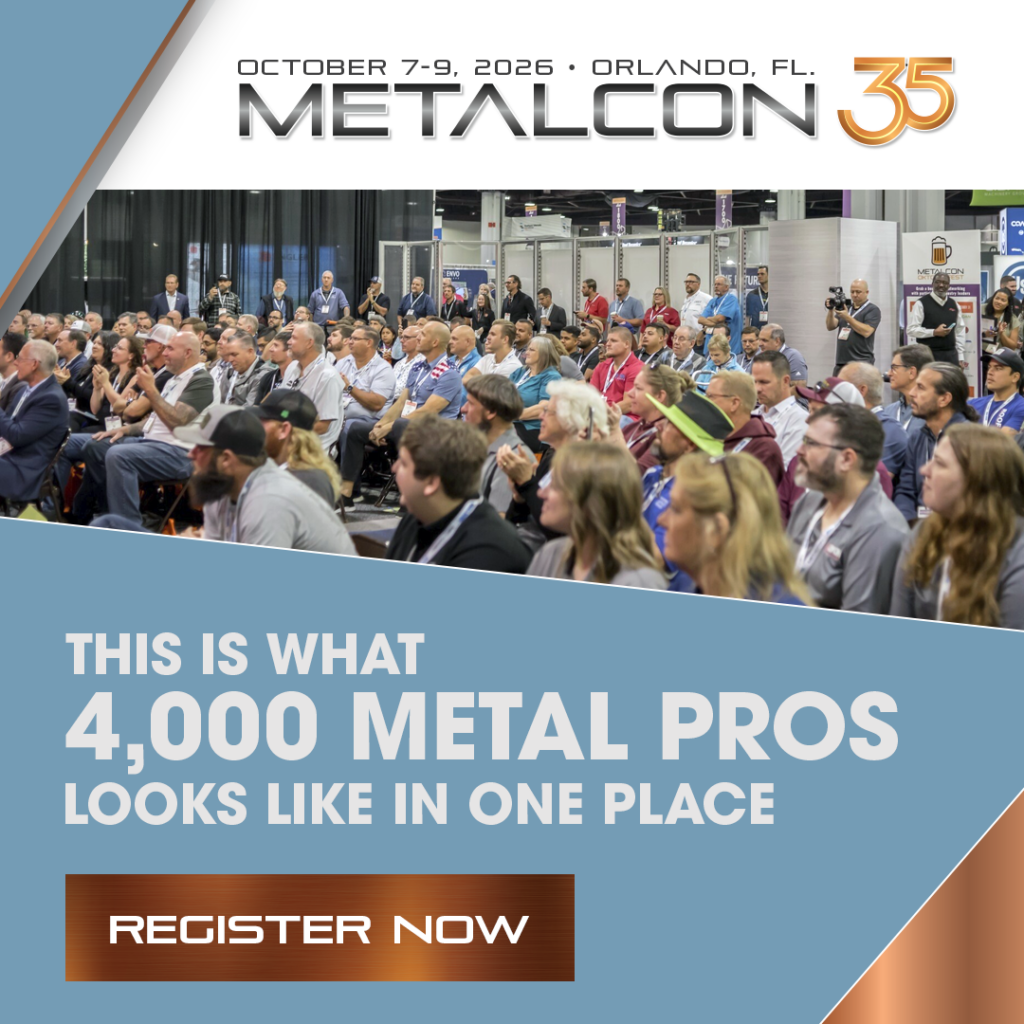
That’s exactly why METALCON matters. Through year-round METALCON Online programming including an extensive on-demand webinar library, and the annual event — coming to Orlando, October 7-9, 2026 — METALCON brings together the entire metal construction ecosystem. It’s where owners, developers, architects, contractors and suppliers can explore the innovations, technologies and partnerships shaping the future of construction.
Because the question is no longer whether metal belongs in the conversation. Increasingly, it’s helping define what’s next.