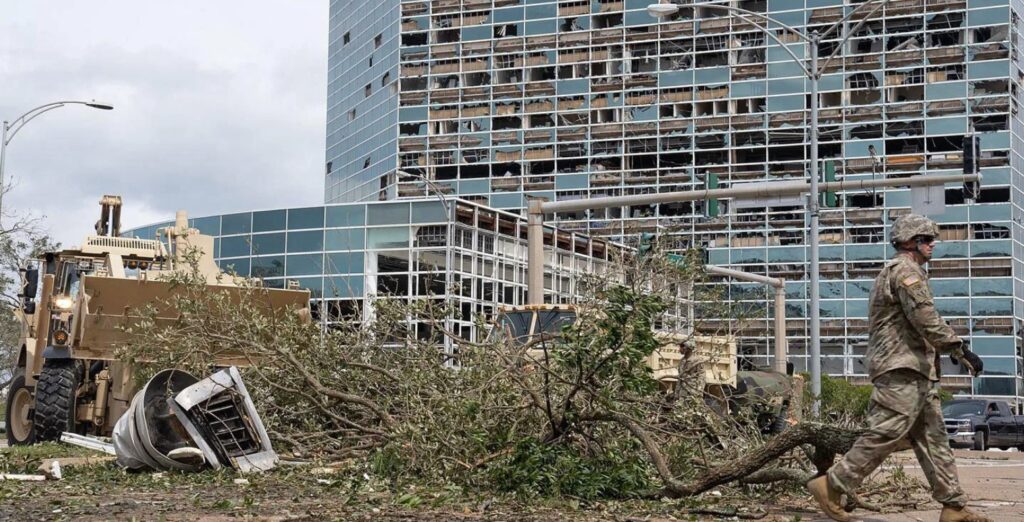
After witnessing back-to-back hurricanes hit the Florida coast in 2024 it’s clear that resilience in building design is no longer a luxury — it’s a necessity. Extreme weather events like hurricanes, tornadoes, wildfires, and other natural disasters are becoming more frequent and destructive, pushing architects, engineers, and builders to prioritize materials that can withstand nature’s fiercest forces. Metal construction, known for its durability and strength, offers a powerful solution in this context. Whether commercial, industrial, or residential, metal buildings provide unmatched resilience, making them the top choice for those looking to protect their investments from the devastation that these major weather events can cause.
In response to this growing urgency, METALCON offers two timely and relevant sessions, available ON DEMAND: Building Smarter: The Impact of our Changing Weather & Climate on Construction followed by Resilient Buildings: Disaster is a Hazard You Didn’t Prepare For.
Both sessions aimed to explore the crucial role of resilient building strategies in disaster preparedness, emphasizing how metal construction can be a cornerstone in creating structures that survive and even thrive in the face of adversity. More details on these sessions below, but first let’s dive into why resilient buildings matter more than ever and the strength of metal in adverse conditions.
Why Resilient Buildings Matter More Than Ever
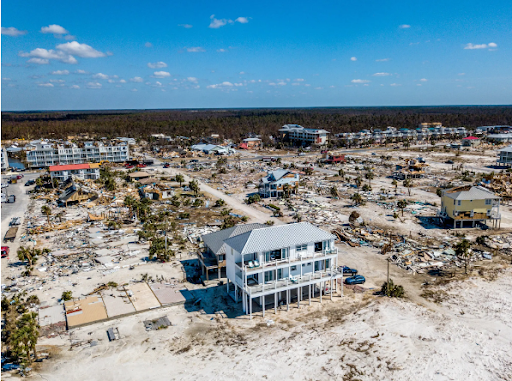
The damage caused by severe weather events has surged in recent decades, often costing billions in recovery and rebuilding. From hurricanes to wildfires, communities are being forced to confront the question: How can we build in a way that endures?
Resilient building designs aim to answer that question by integrating materials and techniques that enhance a structure’s ability to withstand, recover from, and adapt to disasters. But resilience isn’t just about surviving the initial impact; it’s about creating structures that require fewer repairs and less maintenance, allowing businesses, homeowners, and communities to recover faster and with fewer long-term costs. Metal construction has long been a go-to option for this very reason.
The Strength of Metal in Adverse Conditions
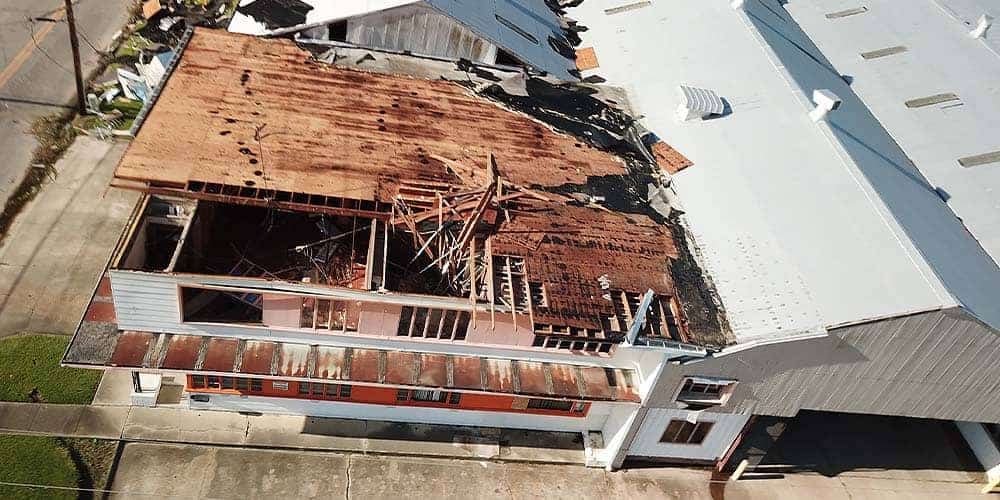
Metal construction is uniquely positioned to address the challenges posed by major weather events due to its inherent strength, flexibility, and sustainability. Here’s how metal stacks up as a leading material for resilient buildings:
- Wind Resistance: In areas prone to hurricanes, tornadoes, or high-wind storms, buildings need to resist extreme wind forces. Metal roofs and siding are designed to withstand winds of up to 140 miles per hour or more, making them a top choice for coastal and inland regions alike. Unlike traditional shingles or wood structures that can easily be blown away or damaged, metal panels lock together, creating a strong shield that stays intact in even the most severe weather conditions.
- Fire Resistance: Wildfires have become increasingly frequent and devastating, especially in dry climates. Metal construction offers superior fire resistance compared to wood, vinyl, or other combustible materials. Metal roofing, for example, won’t ignite from embers or radiant heat, providing a critical layer of protection for homes and buildings in fire-prone regions.
- Flood and Moisture Resistance: Flooding is another major concern, particularly in low-lying areas or regions with heavy seasonal rains. While no material is entirely immune to water damage, metal’s non-porous nature means it won’t warp, rot, or harbor mold in the same way wood does. In flood-prone areas, this can dramatically reduce repair costs and prolong the life of a structure.
- Durability in Extreme Temperatures: Metal buildings maintain their integrity across a wide range of temperatures. Whether dealing with sweltering summer heat or subzero winter conditions, metal doesn’t warp, crack, or degrade like other materials might. This long-term durability helps ensure that structures retain their strength and stability regardless of climate changes.
- Sustainable and Eco-Friendly: One often overlooked aspect of resilient design is sustainability. Metal is one of the most recyclable materials available, which means it can be repurposed at the end of its life cycle, contributing to a reduced environmental footprint. Additionally, metal’s reflective properties help reduce cooling costs by deflecting solar heat, making it both resilient and energy-efficient.
Learn More about the Future of Resilient Construction
As the construction industry grapples with the increasing demands for resilient building strategies, education plays a pivotal role in helping architects, engineers, and builders make informed choices. METALCON Online is here to help with the following online webinars, both providing deep dives into this emerging hot topic: Building Smarter: The Impact of Our Changing Weather & Climate on Construction and Resilient Buildings: Disaster Is a Hazard You Didn’t Prepare For.
Building Smarter: The Impact of our Changing Weather & Climate on Construction – AVAILABLE ON DEMAND


This session features two renowned experts in the field — Crystal Egger, President of Monarch Weather & Climate Intelligence, and Kathryn Prociv, EVP of Monarch. Crystal, an Emmy Award-winning meteorologist with 24 years of experience and a veteran of The Weather Channel and NBC, shared her insights alongside Kathryn, a Certified Consulting Meteorologist (CCM) an expert in weather data and forecasting. Together, they explored how accurate weather forecasting plays a critical role in construction and design, optimizing project timelines, enhancing safety, and improving material performance.
Resilient Buildings: Disaster is a Hazard You Didn’t Prepare For – AVAILABLE ON DEMAND

Director of Sustainability, Intertek
Led by the formidable sustainability expert, Alan Scott, FAIA and LEED Fellow, this session provides you with a comprehensive understanding of how to integrate resilience into their building projects. With over 35 years of experience, Alan offered the latest advancements in metal materials, including coatings, structural designs, and anchoring systems that enhance durability and performance under extreme conditions. He also explored how building codes and regulations are evolving in response to the need for greater resilience, and how metal buildings can easily meet or exceed these new standards. While you can’t always predict the disasters that may come your way, you can prepare for them by making the right material choices. With metal, builders are not only investing in immediate protection but also in the long-term resilience of their structures.
Investing in Resilience is Investing in the Future
Incorporating metal construction into resilient building designs is more than just a smart choice — it’s a necessity in the face of increasing weather unpredictability. Whether you’re building in hurricane-prone areas, wildfire zones, or regions vulnerable to flooding, metal provides the strength and durability to protect your investment and safeguard the people inside.
It’s clear that planning for the unexpected is no longer an option — it’s a must. These education sessions equip industry professionals with the tools and knowledge to make resilience a core part of their building projects.