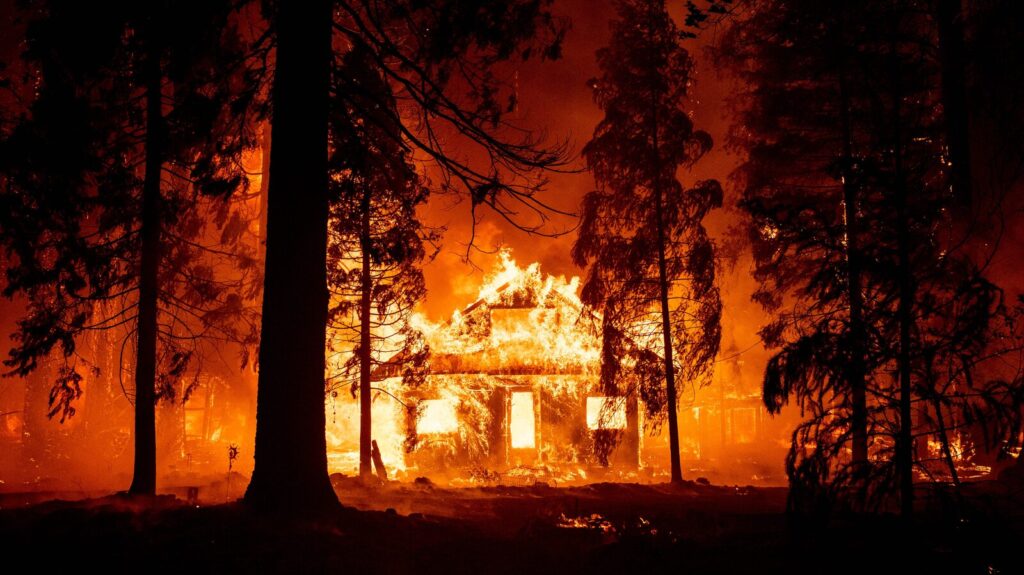
Wildfires pose a serious threat to homeowners across the U.S. In Hippo’s 2024 Housepower Report, 35% of homeowners reported increased wildfire risk to their properties. At the same time, house fires continue to be a major threat, causing $11.4 billion in property damage in 2023 alone. In this blog, we’ll break down what fire-resistant construction really means, how building codes shape safer design, why fire resilience is more urgent than ever, and the key elements and applications of fire-resistant materials and techniques. We’ll also share how attending METALCON can help you stay ahead of the curve with the latest tools, education, and industry insights.
What is Fire-Resistant Construction?
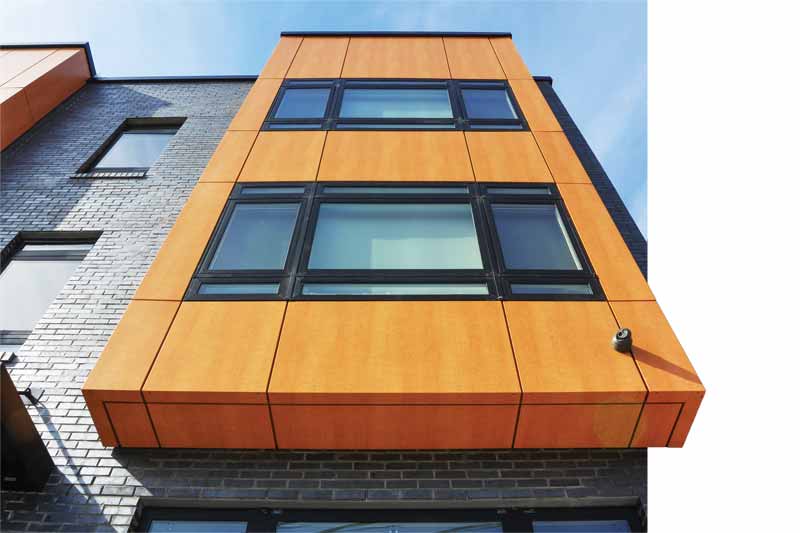
Fire-resistant construction refers to building methods and materials designed to slow the spread of fire, protect structural integrity, and enhance the safety of occupants. Rather than relying solely on fire suppression systems like sprinklers, this approach integrates fire resistance into the very framework of a building — from the foundation to the roof. The goal is to create structures that not only withstand high heat and flames for longer periods but also minimize smoke spread, giving occupants more time to evacuate and first responders more time to act.
At the core of fire-resistant construction is the use of non-combustible or slow-burning materials such as steel, concrete, gypsum, and fire-rated insulation, paired with design techniques that compartmentalize fire zones and limit the paths flames and heat can travel. Whether in residential, commercial, or industrial projects, fire-resistant construction has become increasingly important as building codes evolve, insurance requirements tighten, and communities prioritize safety in the face of wildfires, urban density, and climate-related fire risks.
Building Code Requirements
Building codes set the minimum safety standards for construction — and when it comes to fire resistance, they play a critical role in shaping how structures are designed and built. These codes outline the types of materials that can be used, how long certain components (like walls, roofs, and support beams) must withstand fire, and the installation of safety systems such as fire-rated doors or barriers. The specifics can vary by location, but all codes are designed with one goal in mind: to reduce the risk of fire-related injuries, fatalities, and property loss.
From an April METALCON Online webinar, Dick Davis, former fire engineer and technical specialist with FM Global, shared that the recent fire disasters show we cannot rely on the existing codes and standards. He said “We have to look closely at the science and figure out what materials to use whether it is residential, commercial or industrial construction.” Anoush Brangaccio, senior policy advisor at the Florida Office of Insurance Regulation, explained the structural delays in the code-update process. “The building code is updated every three years,” she said, adding that some states lag even further. Not all states have uniform building codes, and if they don’t, it’s time they consider implementing one.
While building codes are improving, many are still outdated and reactive. Some states are years behind the most recent updates, leaving buildings vulnerable. Experts agree that code minimums are not enough — resilient design requires proactive planning, smarter materials and risk assessments that reflect today’s climate reality.
Why Fire-Resistant Construction Has Become More Urgent
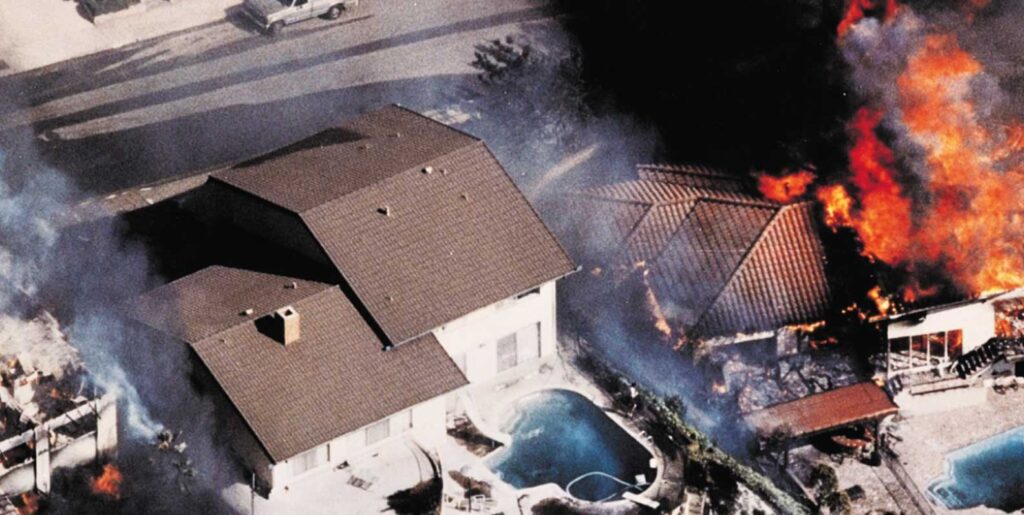
The need for fire-resistant construction has never been greater. In recent years, we’ve seen a rise in extreme weather events, prolonged droughts, and wildfires that spread faster and burn hotter than ever before. Urban growth is also bringing buildings closer together, increasing the risk that a single fire can quickly spread through entire neighborhoods or commercial areas. These factors, combined with more stringent safety and insurance requirements, have put fire-resistant materials and techniques at the forefront of modern building practices.
Beyond protecting property, fire-resistant construction is about saving lives and ensuring communities can recover faster after disaster strikes. As wildfires rage across the American West and insurance markets tighten nationwide, the demand for fire-resilient, climate-ready buildings is no longer theoretical—it’s urgent. What was once seen as rare or exceptional is now becoming the new norm, both in the U.S. and globally. By using materials and methods that can withstand high heat and slow the spread of flames, today’s buildings are better equipped to meet the challenges of a changing climate and a rapidly evolving built environment.
Key Elements of Fire-Resistant Construction
Creating a fire-resistant building starts with a combination of materials, design, and planning. Here are some of the most important elements that work together to enhance safety and durability:
- Non-combustible materials – Materials like steel, concrete, brick, and gypsum board do not ignite easily and help maintain a building’s structural integrity during a fire.
- Fire-rated roofing and siding – Metal roofing and siding, along with other Class A fire-rated materials, provide strong protection against flying embers and direct flames — a must in wildfire-prone areas.
- Insulation and barriers – Fire-rated insulation and wall assemblies slow the spread of flames and heat, providing valuable time for evacuation and emergency response.
- Compartmentalization – Strategic design techniques, such as firewalls and fire doors, divide buildings into sections to prevent a fire from spreading rapidly throughout the structure.
- Proper ventilation – Fire-resistant vents and sealed openings prevent embers and flames from entering attics, crawl spaces, or other vulnerable areas.
- Up-to-code electrical and mechanical systems – Well-installed, code-compliant wiring and systems reduce the risk of electrical fires, one of the most common causes of building fires.
While no single material can solve every risk, metal stands out as one of the most effective front-line defenses — especially in fire-prone regions. Metal offers non-combustible properties, high durability and Class A fire ratings — making it ideal for wildfire zones and high-wind areas. Steel, in particular, withstands extreme temperatures far better than traditional building materials. Insurance programs are starting to reflect this, offering discounts for metal roofs and other high-performance systems.
Applications and Use — Cases of Fire-Resistant Construction
Fire-resistant construction isn’t limited to one type of building — it’s being used across industries to protect people, property, and investments.
Residential Settings
Homeowners in wildfire-prone areas like California and Colorado are turning to metal roofing systems and ember-resistant vents. For example, entire neighborhoods in Paradise, California, have rebuilt with standing seam metal roofs that provide critical protection against flying embers and intense heat — a change that has also helped many residents secure more affordable insurance coverage.
Commercial and Industrial Sectors
Metal wall systems, steel framing, and fire-rated assemblies are becoming the norm. Data centers are often built with steel structures and fire-rated insulation to protect sensitive equipment, while schools and healthcare facilities are increasingly specifying non-combustible materials to safeguard large numbers of occupants. A recent project in Texas, for instance, used insulated metal panels (IMPs) for a regional hospital expansion to meet strict fire-safety codes without sacrificing aesthetics or energy performance.
Resources for Resilient Design
In the METALCON Online webinar, Fire Resilience of Metal in Building Design, panelists referenced several valuable tools and organizations that can help professionals and consumers make informed, resilient choices. Whether you’re a builder, architect, manufacturer or homeowner recovering from disaster, these resources offer guidance, standards and real-world solutions:
🔥 IBHS Wildfire Prepared Home
Developed by the Insurance Institute for Business & Home Safety, this site offers clear steps for homeowners and builders to reduce wildfire risk through smart design and materials.
📄 FM Global Data Sheet 9-19
A technical guide to wildfire exposure mitigation strategies for commercial and industrial buildings. Free to access with registration.
🏡 California Department of Insurance – Wildfire Resources
Tools and programs to help California homeowners understand wildfire risks, find insurance coverage, and explore rebuilding incentives.
🛠️ Build LA Initiative
A hub for fire-resilient construction in Los Angeles County, offering permitting resources, fire-safe material guidelines and planning tools.
📐 AIA Resilience and Adaptation Toolkit
Architects can find design guides, standards and case studies to support resilient and sustainable building practices.
✅ Florida Product Approval System
A searchable database of pre-approved building materials that meet Florida’s stringent wind and impact standards—essential for code compliance.
Stay Ahead of Fire-Resistant Construction Trends with METALCON
From code compliance to climate resilience, METALCON’s online and in-person educational programming uncovers how the fire-resistant and non-combustible properties of metal are reshaping building design in high-risk areas. Watch these webinars ON DEMAND:
➝ Fire Resilience of Metal in Building Design
➝ Metal Roofs Architectural Restoration/Preservation
➝ Cladding Safety in Light of Global Fires
➝ Breaking the Cycle of Wildfire Destruction: The Urgent Need for Fire-Resilient Construction
METALCON 2026, scheduled for October 7-9 in Orlando, Florida, offers an opportunity to learn more about resilient design and fire-resistant construction from leading experts.
Fire-resistant construction is no longer just a best practice — it’s a necessity for building safer, stronger, and more resilient structures. To dive deeper into the latest materials, techniques, and real-world solutions, make plans to attend METALCON this October. From expert-led education sessions to hands-on demonstrations, METALCON is the place to explore innovations that are shaping the future of fire-resistant design.