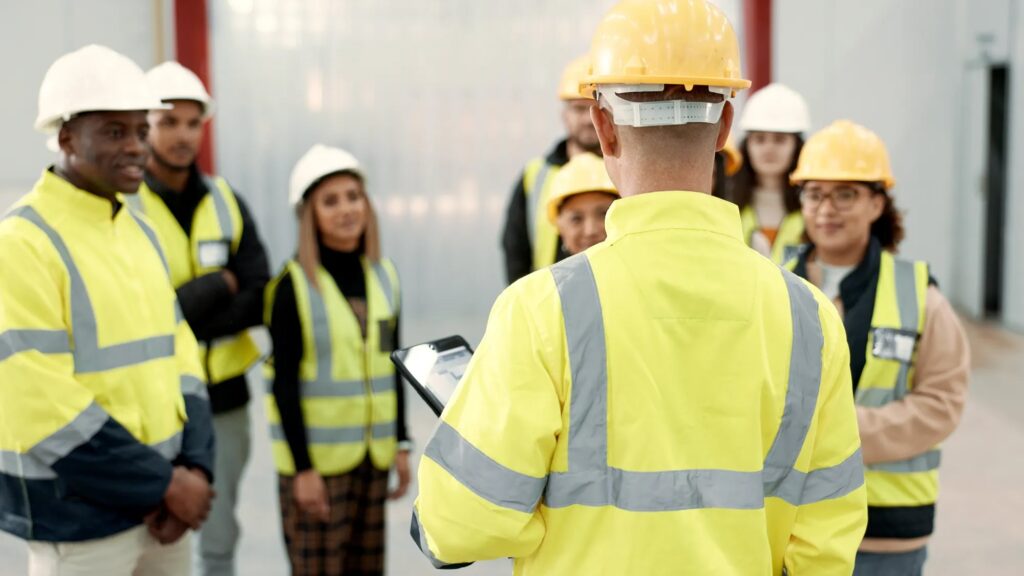
In metal construction, the most expensive mistakes are not always visible on the balance sheet right away. They show up in rework, schedule delays, labor inefficiencies, missed bids, and projects that quietly lose margin over time.
As building systems become more complex and project timelines tighten, relying on outdated processes, legacy assumptions, or “the way we’ve always done it” creates risk at every stage of a project. What once worked five or ten years ago may now slow teams down, reduce competitiveness, and limit profitability.
Today’s most successful metal construction professionals are not simply keeping up with change — they are actively investing in learning, technology, workforce development, and innovation to stay ahead of it.
Because in modern construction, knowledge is no longer just an advantage. It’s a business asset.
How Outdated Construction Knowledge Leads to Project Inefficiencies

Metal construction projects depend on precision, coordination, and speed. When teams operate using outdated methods, disconnected communication systems, or old fabrication assumptions, inefficiencies multiply quickly.
Even small knowledge gaps can create major downstream consequences:
- Incorrect or outdated shop drawings
- Poor coordination between trades
- Manual tracking systems that increase errors
- Rework caused by inaccurate measurements
- Delays tied to outdated fabrication workflows
- Missed opportunities to improve productivity through technology
Industry experts continue to point to coordination failures, outdated processes, and poor communication as some of the biggest hidden cost drivers in steel fabrication.
Analysis from Eziil, a steel fabrication software company, highlights that many fabrication shops still rely on spreadsheets, disconnected systems, and tribal knowledge instead of integrated workflows and real-time collaboration tools — creating operational bottlenecks that reduce efficiency and profitability as projects become increasingly complex.
The reality is simple: outdated knowledge creates expensive friction.
And in a market where labor shortages, tighter schedules, and rising material costs already pressure margins, avoidable inefficiencies become increasingly difficult to absorb.
The Real Cost of Project Delays in Metal Construction
In metal construction, delays rarely stay isolated.
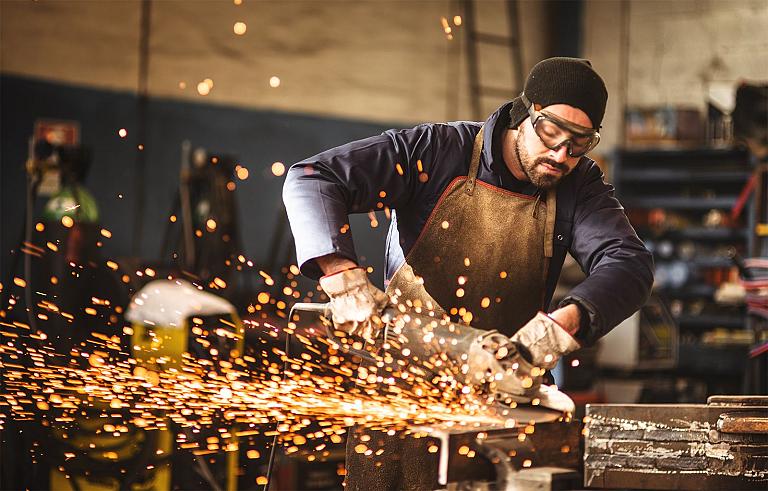
One fabrication issue can impact delivery schedules. One outdated drawing revision can halt installation crews. One coordination breakdown can force costly field modifications and ripple through multiple trades.
The financial impact goes far beyond labor hours.
Project delays often result in:
- Increased overtime costs
- Equipment downtime
- Additional transportation and material handling expenses
- Change orders and rework
- Lost productivity across multiple trades
- Strained client relationships
- Reduced capacity to take on future work
Even seemingly minor oversights — inaccurate measurements, misaligned connections, outdated specifications, or delayed revisions — can stop momentum entirely.
At the same time, owners and clients increasingly expect faster timelines, higher performance standards, and better coordination across every phase of construction.
Companies that fail to modernize their knowledge and processes risk falling behind competitors that are operating with greater speed, accuracy, and adaptability.
How Construction Innovation Trends Are Changing Industry Expectations
The metal construction industry is evolving rapidly. Digital workflows, advanced fabrication technologies, automation, BIM coordination, AI-assisted planning, and data-driven project management are reshaping how projects are designed, fabricated, and delivered.
Innovation is no longer optional for companies that want to remain competitive.
Today’s construction leaders are adopting:
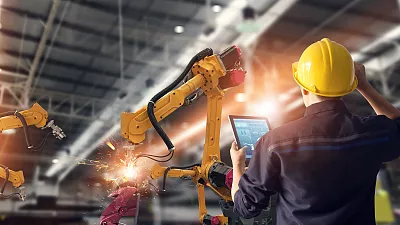
- Real-time project tracking systems
- Integrated estimating and fabrication software
- Advanced manufacturing equipment
- Prefabrication and modular construction strategies
- Smarter scheduling and workflow management tools
- Sustainable building practices and material optimization
- Enhanced collaboration between design, fabrication, and installation teams
These advancements are helping contractors and fabricators improve productivity, reduce waste, minimize rework, and protect margins in an increasingly competitive environment.
At the same time, client expectations continue to rise. Owners want faster project delivery. Architects demand higher performance. Contractors expect tighter coordination. And skilled workers increasingly seek employers that invest in modern tools, training, and career development.
Companies that continue operating with outdated knowledge risk becoming less efficient, less profitable, and less attractive to both customers and talent.
Why Continuous Training Is Critical For Metal Construction Performance
Technology alone does not improve performance. People do.
As materials, codes, equipment, and project delivery methods evolve, continuous training becomes essential to maintaining quality, safety, and profitability.
Skilled workforce development directly impacts:
- Productivity on the jobsite
- Fabrication accuracy
- Safety performance
- Reduced rework
- Faster project delivery
- Equipment utilization
- Employee retention
- Long-term business growth
Industry leaders increasingly recognize that ongoing education is not a cost center — it is a competitive advantage.
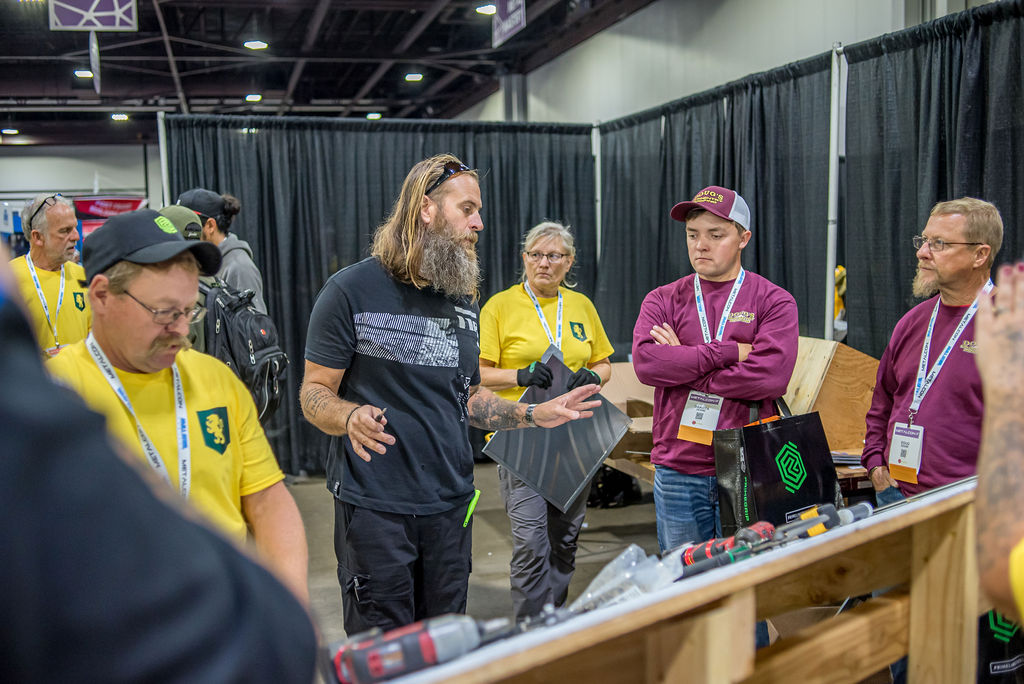
Training helps teams stay current on emerging technologies, updated best practices, evolving codes, and new installation methods. It also helps reduce the costly mistakes that happen when crews rely on outdated assumptions or inconsistent processes.
In an industry facing workforce shortages and increasing project complexity, companies that prioritize learning are better positioned to adapt, innovate, and grow.
Because the businesses that continue learning are the businesses that continue winning.
How METALCON Helps Construction Professionals Stay Ahead Of Industry Changes
In an industry evolving this quickly, staying current cannot happen once a year — and it cannot happen in isolation.
That’s why METALCON continues to serve as more than just a trade show. It’s where the metal construction and design industry comes together to see what’s next, learn from experts, discover emerging technologies, and build the connections that move businesses forward.
From hands-on training and live demonstrations to strategic education sessions and year-round industry content, METALCON helps contractors, fabricators, architects, manufacturers, and suppliers – the entire metal construction eco-system — stay informed in a rapidly changing market.
And in today’s economy, that matters more than ever.

Recently announced keynote speaker for METALCON 2026, leading construction economist Kermit Baker, will deliver a timely market outlook examining the economic forces shaping construction and design activity in the year ahead. His session will provide insight into project demand, backlog trends, bidding environments, and strategic planning as the industry continues navigating evolving market conditions.
But the real value of METALCON is about staying competitive. Staying connected. Staying visible. Staying informed before the rest of the market catches up.
While others continue relying on outdated knowledge and yesterday’s strategies, METALCON attendees are gaining direct access to the ideas, technologies, and industry conversations shaping the future of metal construction.
3 days that shape the year ahead. Join us where the metal construction year is made – at METALCON, October 7-9, 2026 in Orlando, Florida. Registration and housing are open.