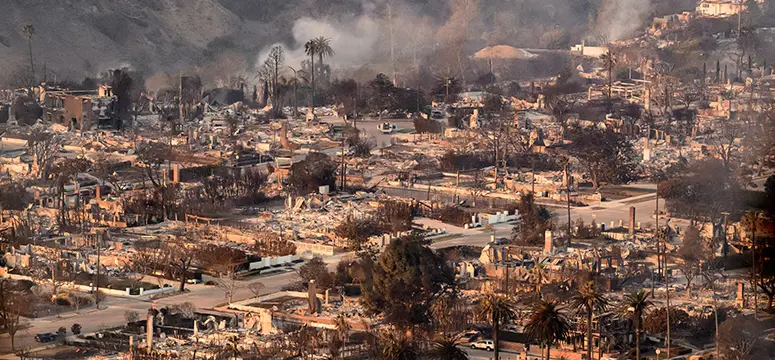
The 2025 fires in Los Angeles serve as a stark reminder of the growing threat of fire in urban and industrial settings. According to the National Fire Protection Association (NFPA), fire departments across the U.S. respond to nearly 38,000 fires annually in industrial and manufacturing facilities, causing more than $1.2 billion in property damage each year. Building on the discussion on Non-Combustible Buildings, dive deeper into the latest fireproofing innovations that are enhancing the safety and resilience of metal structures further highlighting the critical need to protect metal and steel structures. As fire risks intensify, the demand for more efficient, durable, and aesthetically pleasing fireproofing methods continues to grow. Here are some of the emerging trends in steel structure fireproofing technology:
Advanced Intumescent Coatings
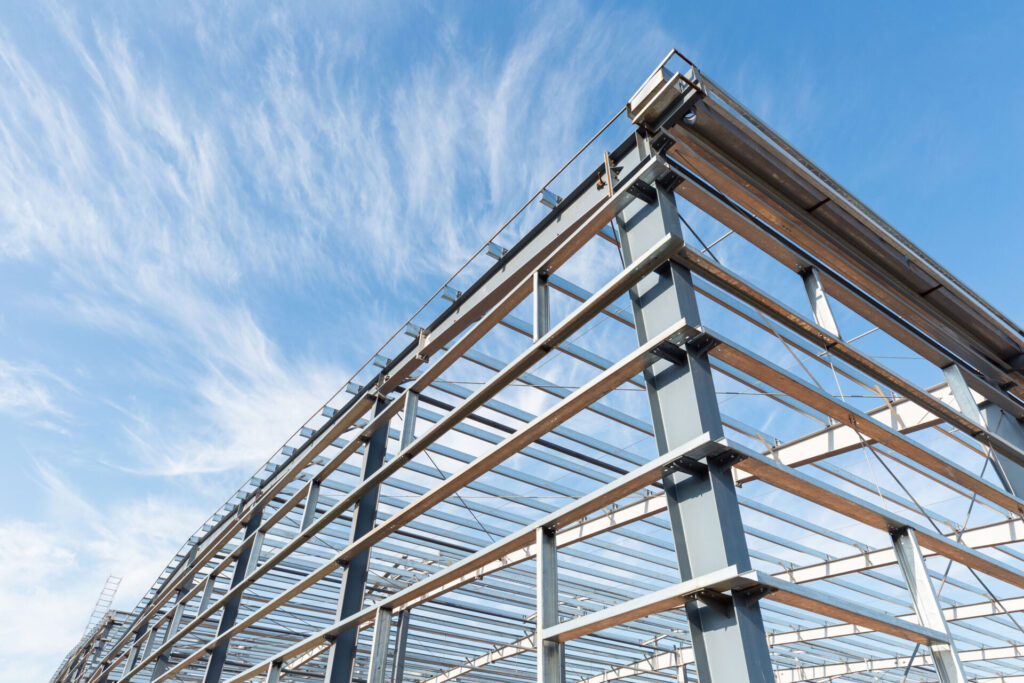
While intumescent coatings have been around for some time, modern intumescent coatings combine thinner layers with improved fire resistance, minimizing material use without compromising safety. They enable sleek steel designs while offering superior protection. Innovations like water-based formulations reduce VOCs for better environmental sustainability, and nano-enhanced coatings with materials like graphene improve thermal resistance, durability, and longevity of both the coating and the steel it protects.
Sustainable Fireproofing Materials
Sustainability is driving advancements in fireproofing, with eco-friendly solutions like bio-based materials gaining traction. Natural fibers and plant-based resins offer fire protection while reducing carbon footprints. Additionally, recyclable fireproofing systems are being designed for easy removal, reuse, or recycling, minimizing waste and environmental impact.
3D Printing and Prefabrication
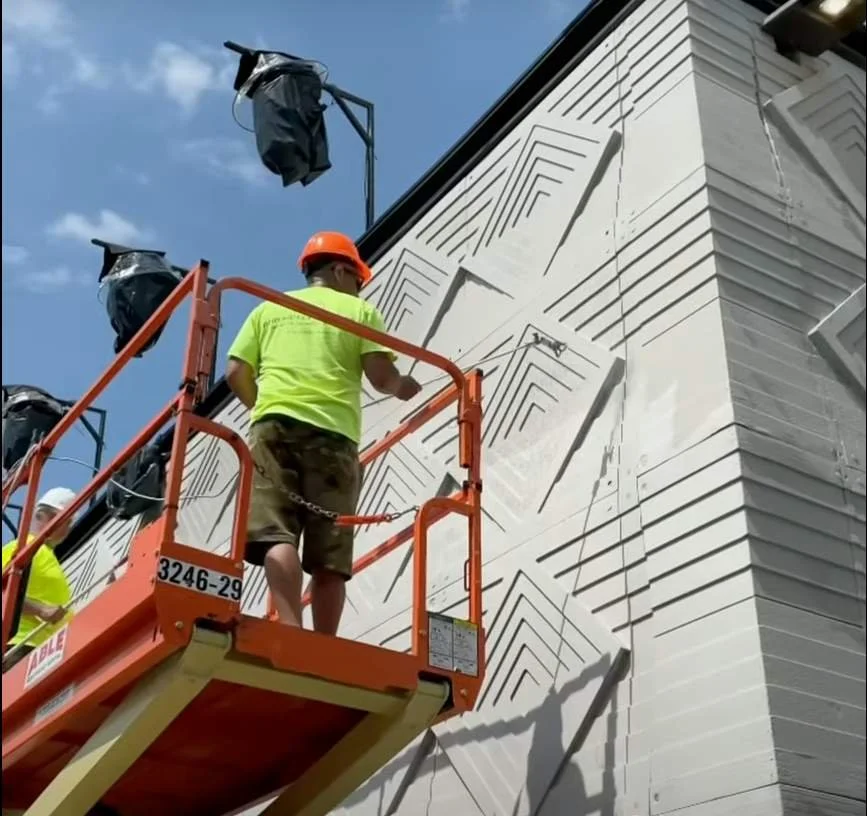
Emerging trends in fireproofing metal construction include 3D printing and prefabrication. 3D printing enables precise, custom fireproofing components, tailored to complex steel structures using materials like intumescent composites and insulating foams. Prefabricated fireproofing panels, manufactured off-site, streamline installation, ensure consistent quality, and reduce waste, making them ideal for large-scale projects.
Check out this NEW Fire Resistant 3D Printed Home in Los Angeles.
Smart Fireproofing Systems
As construction embraces smart buildings, smart fireproofing systems are gaining traction. Using IoT sensors, these systems monitor fireproofing materials in real time, detecting temperature, humidity, and structural changes to warn of hazards or material degradation. Smart coatings with temperature-sensitive nanoparticles can signal critical heat levels, improving safety and enabling predictive maintenance, reducing costs by servicing only when needed.
High-Performance Spray-Applied Coatings
High-performance spray-applied fire-resistive materials (SFRMs) are an emerging trend, offering improved fire resistance with lighter, easier application compared to traditional sprays. Hybrid coatings that blend intumescent and SFRM properties are also gaining traction, providing dual-temperature protection.
Hybrid Passive and Active Fireproofing Systems
A growing trend in fire protection is the combination of passive and active fireproofing systems. Passive fireproofing includes materials like fire-rated coatings and insulation that inherently resist fire, while active suppression systems, such as automatic fire curtains, water mist systems, or sprinkler integrations, actively combat flames. By combining these two approaches, hybrid systems offer multi-layered protection, enhancing safety and minimizing fire spread in metal structures.
Fire-Resistant Cladding Systems
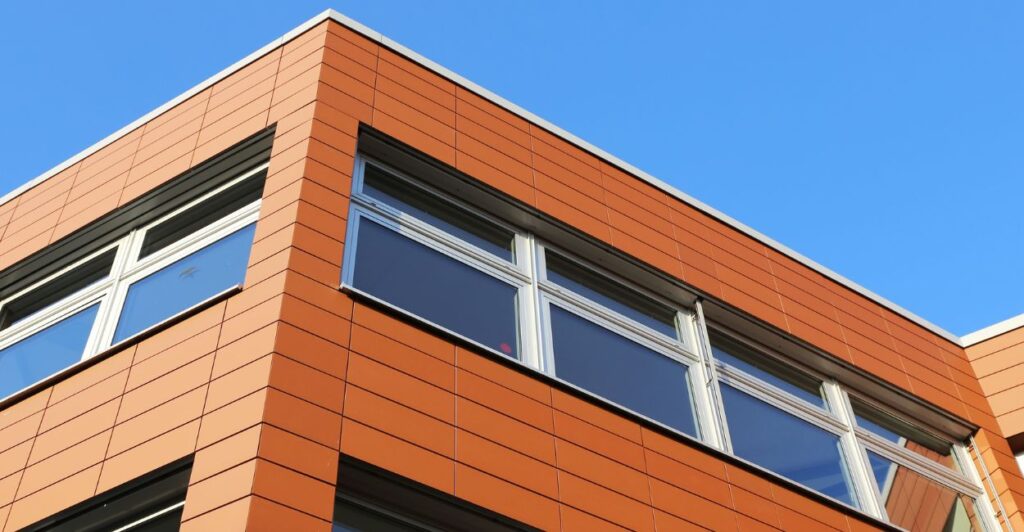
The evolution of fire-resistant cladding is playing a crucial role in metal construction. New developments include the use of non-combustible materials like fiber cement, aluminum composite panels with mineral cores, and stone wool insulation. These cladding systems provide additional fire resistance, particularly in high-rise and industrial buildings, and help prevent external fires from spreading into the structure.
Global Innovations in Fireproofing
Innovations in fireproofing are not limited to the U.S. In Australia, for example, homes in high-risk fire zones must adhere to the Bushfire Attack Level (BAL) standard, which includes double-glazed windows, fully insulated walls, floors, and ceilings, and fully sealed structures with iron roofs. Additionally, properties must be cleared of trees and shrubs in close proximity to reduce fire hazards.
One of the most advanced protective measures involves roll-down metal fire doors that can be automatically released and secured with a latch. These doors shield windows and doors from extreme heat and flames, acting as an additional layer of defense in wildfire-prone areas.
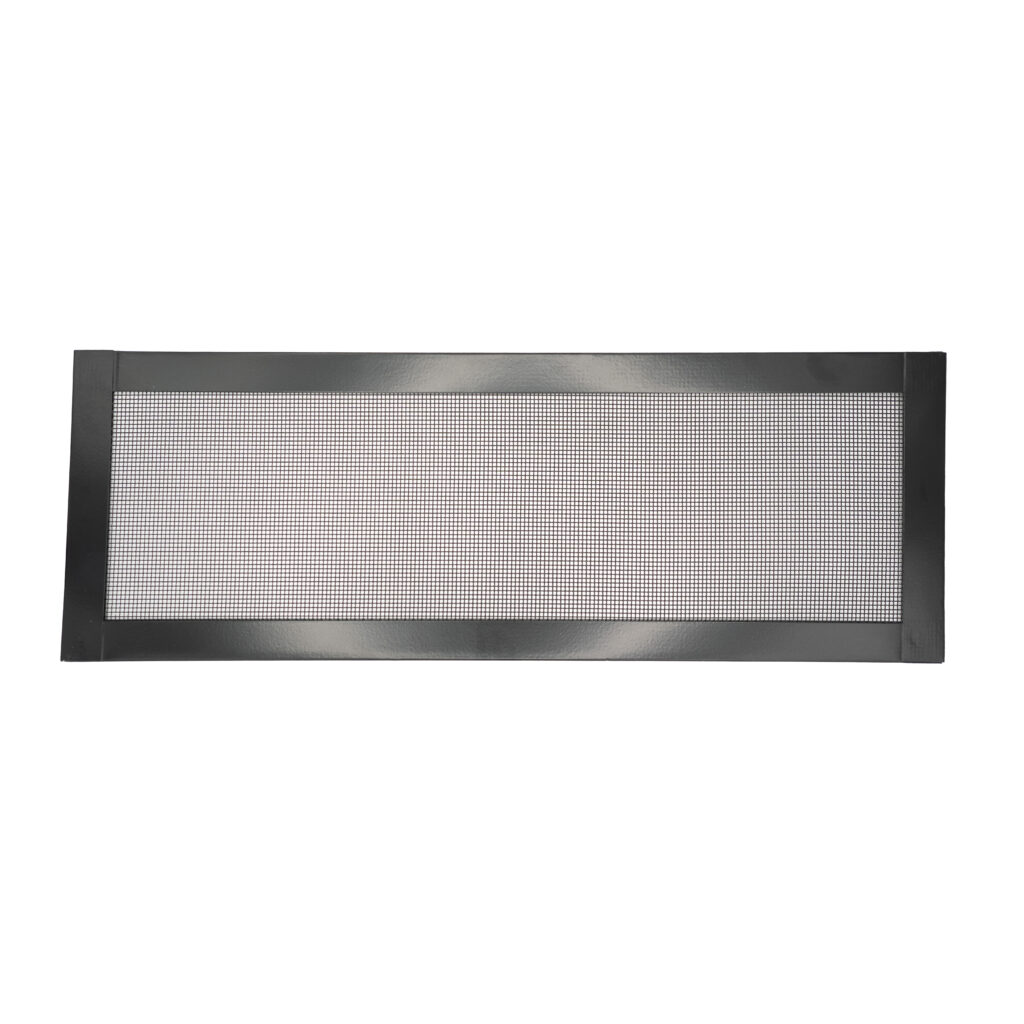
Another innovative solution from Australia is the use of stainless steel mesh for fencing and ventilation, such as the Wildfire Defense Mesh. This product prevents embers from entering through vents or gaps, a critical factor in fireproofing homes and buildings. It can also be integrated into rain screens to provide additional protection without compromising ventilation.
Conclusion
As the fires in Los Angeles and elsewhere have demonstrated, fire hazards remain a growing concern, especially in urban and industrial areas. The evolving landscape of fireproofing technologies — ranging from advanced intumescent coatings and hybrid passive-active systems to fire-resistant cladding and global innovations — offers critical solutions to enhance the resilience of metal structures. By adopting these emerging fireproofing methods, builders and developers can not only meet evolving safety standards but also help protect communities from devastating fire events. With continued advancements, the industry is moving toward smarter, more sustainable, and more effective fire protection strategies that will play a crucial role in safeguarding buildings for the future.
Learn More with METALCON Online
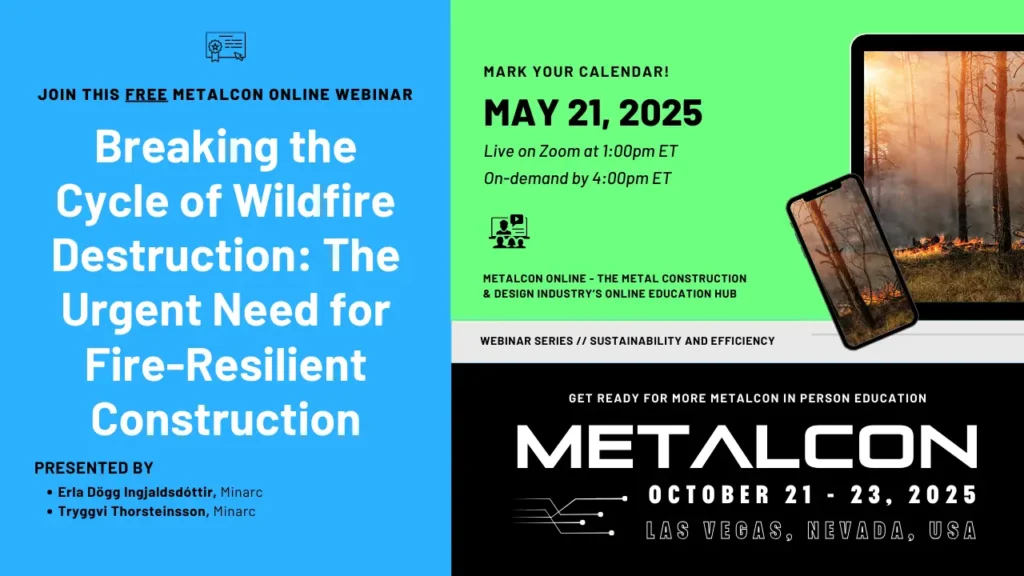
METALCON Online and Metal Architecture Magazine presents: “Breaking the Cycle of Wildfire Destruction: The Urgent Need for Fire-Resilient Construction“ available on demand. In this session, Erla Dögg Ingjaldsdóttir, Owner, Principal and General Contractor + Tryggvi Thorsteinsson, Architect, Principal at Minarc & ERLA Construction will highlight the critical gap between current building practices and the fire resilience needed to withstand these catastrophic events.
Watch Other Fire Prevention Webinars ON DEMAND