Metal buildings are renowned for their durability, versatility, and cost-effectiveness. Whether they serve as warehouses, industrial facilities, or commercial spaces, these structures offer a robust solution for various needs. However, like any infrastructure, they require consistent maintenance to ensure longevity and optimal performance. Implementing effective maintenance strategies is essential to safeguard your investment and prevent costly repairs down the line.
Inspect Regularly
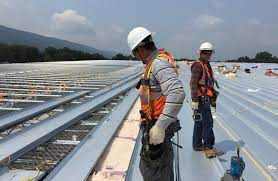
Conducting routine inspections is the cornerstone of effective maintenance for metal buildings. Inspections should encompass both the exterior and interior components, including roofs, walls, foundations, and mechanical systems. Look for signs of corrosion, leaks, loose fasteners, and structural damage. Addressing minor issues promptly can prevent them from escalating into major problems.
Clean the Building
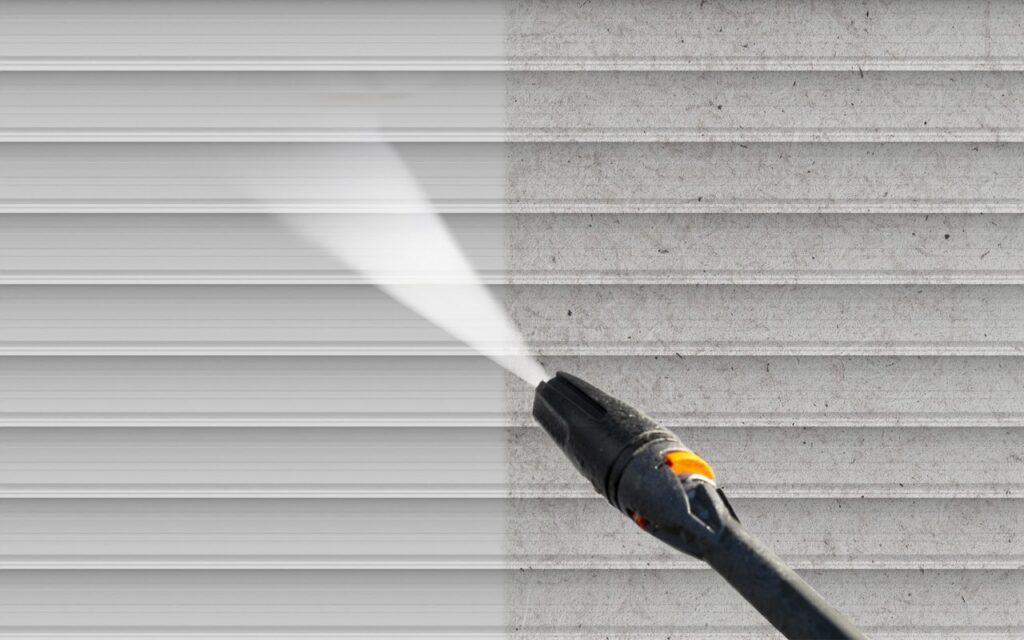
No matter what type of metal building you have, it is important to properly clean and wash it. The benefits include extended life span for your building’s materials like galvanized steel or aluminum; improved appearance due to removal of dirt and grime buildup over time; better protection against rust corrosion because cleaning helps remove any corrosive elements that may cause damage down the road if left unchecked (e.g., salt from ocean air). Avoid using harsh chemicals when washing since they can deteriorate surface finishes which could lead to premature fading or oxidation.
Check the Roof
The roof is one of the most critical components of a metal building, providing protection against the elements. Regularly inspect the roof for signs of damage, including rust, corrosion, loose fasteners, and punctures. Clean debris such as leaves and branches to prevent water pooling, which can lead to leaks and structural deterioration. Consider applying protective coatings or sealants to enhance weather resistance and prolong the roof’s lifespan (read more about sealants below).
Maintain the HVAC System
Heating, ventilation, and air conditioning (HVAC) systems play a vital role in maintaining indoor comfort and air quality within metal buildings. Schedule regular maintenance for HVAC equipment to ensure optimal performance and energy efficiency. Clean or replace air filters, inspect ductwork for leaks, and lubricate moving parts as needed. Properly maintained HVAC systems not only enhance occupant comfort but also contribute to the longevity of the building’s interior components.
Address Rust Issues
Metal buildings are susceptible to corrosion, especially in environments with high humidity or exposure to harsh chemicals. Implement corrosion control measures to mitigate the effects of oxidation and rust. This may involve applying protective coatings, galvanizing steel components, or installing sacrificial anodes to divert corrosive elements away from critical structures. Regularly inspect metal surfaces for signs of corrosion and address them promptly to prevent further deterioration.
Seal the Building
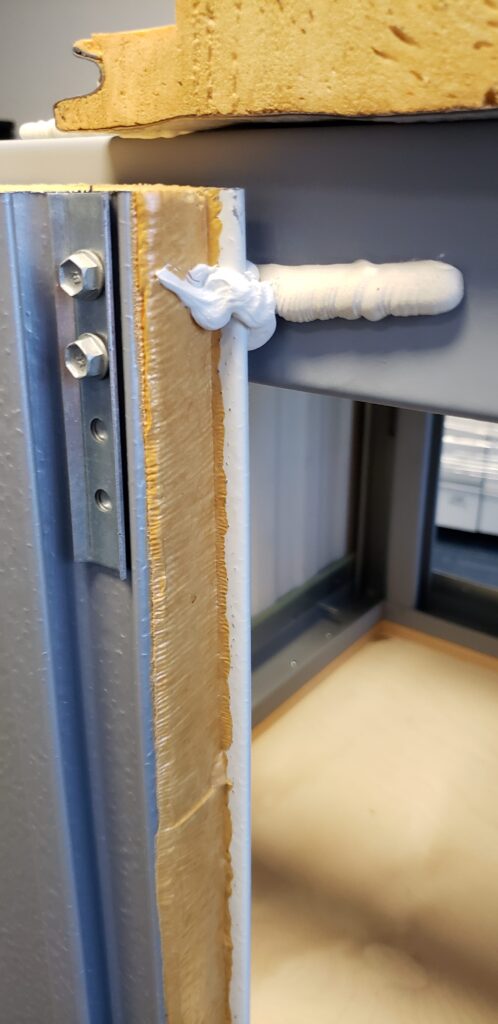
While metal panels comprise much of the air and water barrier of a building envelope, to achieve a continuous layer of protection one vital component cannot be overlooked — proper installation of the appropriate sealant. When specifying a sealant for a metal construction application, the best practice is to follow the metal building component manufacturer’s recommendations, especially to attain weathertight warranties that may be available.
When a sealant is inadequate, significant failures can compromise the barrier resulting in water leaks, frost and ice accumulation, and air and dust infiltration. To ensure a weathertight barrier, understand the sealant options available, as well as the performance capabilities of each. Generally, three major types of sealants are used in metal building applications: butyl, silicone and polyurethane. Additionally, polyether is a newer type of sealant that is gaining popularity.
➡️ Learn the Latest in Sealant and Adhesive Technology
Not all sealants and sealant manufacturers are created equally. To learn the latest in sealant and adhesive technology, watch this METALCON Online Webinar on-demand NOW for free. Industry expert, Dan Garnett, Market Development Director for ADFAST, a leading sealant and adhesive manufacturer, will cover details on how to choose the appropriate sealants and adhesives for use when designing and building metal paneling and metal roofing applications. He brings over a decade of experience working for technologically progressive organizations along with a background serving in the U.S. Armed Forces to tomorrow’s presentation. Complete the survey at the end of the session and earn 1.0 AIA LU HSW credit and a certificate of completion.