
Artificial intelligence (AI) has evolved from a buzzword to a business imperative in construction. What once seemed futuristic — autonomous vehicles, predictive design, automated safety monitoring — has now become a standard on job sites around the world. With the accelerated pace of generative AI, machine learning, and computer vision, construction professionals can no longer afford to take a wait-and-see approach. At the forefront of this transformation, AI is enhancing efficiency, improving safety, and reshaping how we design, build, and manage projects. This post explores where AI stands today in construction, how it’s rapidly evolving, and how you can get ahead of the curve at METALCON 2026.
Design and Planning
Architects and other design professionals are constantly in the pursuit of new technology, solutions, and methodologies to answer the needs of modern living. Tools like Autodesk Forma and generative AI design assistants have gone from experimental pilots to everyday design accelerators, allowing firms to generate and evaluate dozens of design options with real-time environmental data. AI-powered tools can analyze vast amounts of data to create optimal building designs. These tools can consider various factors such as environmental impact, material efficiency, and structural integrity, resulting in more sustainable and cost-effective designs. AI can also generate multiple design alternatives quickly, allowing architects and engineers to choose the best option.

At METALCON 2026, The Design District @ METALCON aims to help design professionals stay ahead of the curve with a deep dive into the effect of AI in the design process.
Project Management
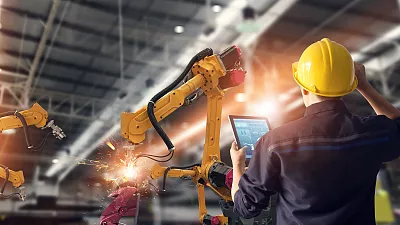
AI can revolutionize project management by providing real-time data analysis and predictive insights. AI algorithms can predict project timelines, identify potential delays, and suggest corrective actions. AI can also provide accurate cost estimates and resource allocation plans by analyzing historical data. For example, AI-assisted software gives you the gift of time back by counting up to five pages of plans at once, in less than 30 seconds per page. This predictive capability helps in mitigating risks and ensuring projects are completed on time and within budget.
The latest AI-powered platforms now integrate seamlessly with BIM, automating time tracking, cost forecasting, and even subcontractor coordination in real time—tools that were still in beta just 12 months ago.
Explore how Generative AI can boost productivity by automating repetitive tasks, streamlining communication, and optimizing project management with the education session, “Improving Utilization and Revenue Through AI.” WATCH ON DEMAND.
Construction Site Safety
According to their 2024 safety report, BigRentz lists construction as having the second most workplace deaths of all industries, behind truck drivers. Safety is paramount for the construction industry and AI can significantly enhance safety measures on construction sites. AI-powered cameras and drones can monitor sites in real-time, identifying potential hazards and ensuring compliance with safety regulations and AI algorithms can analyze footage to detect unsafe practices and alert site managers, reducing the likelihood of accidents. Wearable AI devices can also monitor workers’ health and fatigue levels, preventing incidents caused by overexertion.
Since 2024, adoption of AI-enhanced PPE and site monitoring systems has surged, with major contractors reporting double-digit drops in safety incidents thanks to proactive alerts powered by computer vision.
Quality Control
Maintaining high-quality standards is essential in construction. AI can improve quality control by automating inspections and detecting defects early. Machine learning algorithms can analyze images from construction sites to identify issues such as cracks, misalignments, or structural weaknesses. By catching these problems early, AI helps reduce rework and ensure the final product meets the required standards.
Robotics and Automation
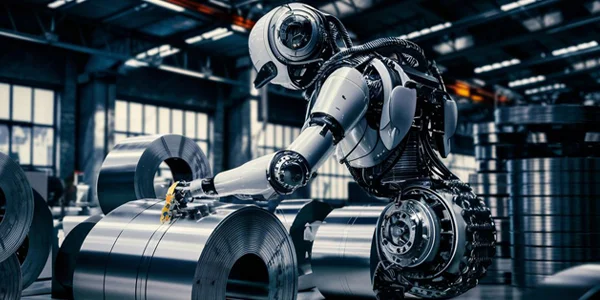
This year, AI-powered robotics made headlines with fully autonomous masonry and rebar-tying robots deployed on large-scale commercial projects—evidence that machine labor is no longer a novelty. Robots are being used to make work on the construction site faster, safer, and easier, performing repetitive and labor-intensive tasks such as bricklaying, concrete pouring, and welding. These robots not only enhance productivity but also reduce the risk of injuries by taking over hazardous tasks. AI also enables autonomous machinery, such as excavators and bulldozers, to operate with minimal human intervention, further improving efficiency on construction sites. With the ongoing labor challenges plaguing the industry, more companies are turning to technology to help fill the gaps, streamline workflows, and maximize productivity.
Building Information Modeling (BIM)
As BIM celebrates 40 years of its general concept and technology, it seems to just be realizing its massive potential to the architecture, engineering, and construction sector. AI is enhancing BIM by enabling the creation of intelligent 3D models that can simulate various aspects of a construction project. AI algorithms can analyze these models to optimize building performance, energy efficiency, and maintenance requirements. AI-integrated BIM platforms are now offering predictive maintenance planning and energy modeling capabilities with minimal human input—reducing both errors and energy costs.
Environmental Impact Assessment
Sustainability is becoming increasingly important in the construction industry. AI can help assess the environmental impact of construction projects by analyzing data on energy consumption, emissions, and resource usage. AI tools can now generate life cycle assessments (LCAs) and carbon impact models in minutes, aiding compliance with stricter sustainability codes and green building certifications.
What’s Next for AI in Construction?
AI in construction is moving beyond productivity tools. In the next phase, we’ll see even deeper integration into supply chain optimization, labor forecasting, predictive equipment maintenance, and real-time regulatory compliance. Companies that begin experimenting and implementing now will be best positioned to thrive in an AI-driven construction economy. METALCON 2025 is your chance to explore what’s emerging—and what’s already here.
A New World of AI at METALCON
No longer in its early stages, the application of AI in the construction industry has arrived. While the emphasis has been on design and planning to project management, safety, quality control, and beyond, AI has now reached marketing and promotion.
Are you ready to stay ahead of the curve and leverage AI to enhance efficiency, safety, and innovation? METALCON 2026 is set to be the leading event for metal construction professionals to learn about AI and its applications in the industry. With its comprehensive program of sessions, workshops, demonstrations, and networking opportunities, METALCON offers a unique platform to explore the transformative potential of AI. By attending this event, professionals can gain the knowledge and connections needed to stay ahead in the rapidly evolving world of metal construction.