As we lean into 2026, the architecture industry is undergoing a dynamic transformation. Varisco Building Group notes, “With innovations in design, sustainability, and technology, the future of architecture is about more than just buildings — it’s about creating spaces that foster connection, sustainability, and adaptability.”
Metal’s recyclability, durability, and versatility make it a standout material in this evolution, especially in emerging areas like circular design, prefabrication, and climate-resilient construction. And for design professionals looking to stay ahead of the curve, The Design District @ METALCON is the place to explore these innovations in action.
From climate-resilient structures to AI-driven design, here are some of the top architectural trends shaping the built environment in 2026 — and how metal construction plays a key role.
Adaptive Reuse and Circular Design
The demand for environmentally responsible buildings has never been higher. Sustainability remains at the forefront of architectural innovation, with more projects focusing on adaptive reuse — repurposing existing buildings rather than demolishing and rebuilding. Circular design principles are also gaining traction, emphasizing materials that can be reused or recycled at the end of their lifecycle.
Architects are focusing on building with energy-efficient materials, renewable resources, and practices that minimize environmental impact, with a focus on:

- Net-zero buildings: Expect a rise in buildings that generate as much energy as they consume, setting new standards for sustainability.
- Green roofs and walls: These features will become more common in urban spaces, improving air quality and reducing energy consumption.
- Adaptive reuse: Converting older, underutilized buildings into functional, sustainable spaces is becoming a hallmark of architectural trends.
Sustainable design mitigates climate risks, reduces operational costs, and creates healthier spaces for people and the planet. With metal as one of the most recyclable materials in construction, it remains a prime choice for circular design.
Resilient and Climate-Responsive Architecture
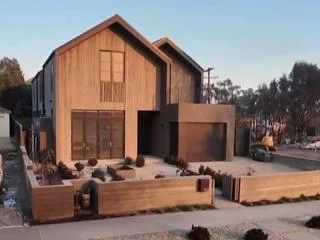
With extreme weather events on the rise, architects must prioritize resilient designs that can withstand hurricanes, wildfires, and flooding. Resilient design is crucial for ensuring that cities can recover quickly from natural disasters and remain livable in the face of climate challenges. Buildings are being designed with materials that resist corrosion, fire, and wind damage while incorporating passive design strategies to enhance energy efficiency.
- Flood-resistant materials: Buildings will incorporate materials that can withstand water damage, ensuring that cities remain resilient in the face of rising sea levels.
- Fireproof buildings: Fire-resistant construction techniques will become more widespread as part of architectural trends focused on safety and sustainability.
- Wind-resistant structures: As severe weather events become more frequent, architects will focus on creating buildings that can withstand extreme winds and storms.
- Vegetated Roofs: These living roof systems provide multiple benefits, including reducing urban heat island effects, improving stormwater management, and increasing a building’s insulation.
Metal roofing and wall systems offer superior resistance to fire, moisture, and high winds, making them an essential component of resilient buildings. Advanced coatings and treatments also improve longevity and performance in harsh climates.

AI-Driven and Prefabricated Construction
The fusion of artificial intelligence (AI) with modular and prefabricated construction is transforming how buildings are designed and built. AI is not only streamlining workflows but fundamentally reshaping architectural problem-solving. By analyzing massive data sets, AI tools can optimize floor plans, predict material performance, and improve energy efficiency—leading to smarter, more adaptive buildings.

At the same time, modular and prefabricated construction methods are becoming the go-to solution for meeting tight timelines and sustainability goals. Off-site fabrication reduces material waste, lowers labor costs, and improves safety by shifting construction to controlled environments.
Key ways AI is revolutionizing modular construction:
- Smarter Design: AI generates optimal layouts for cost, energy, and material efficiency.
- Automated Manufacturing: Robotics ensure faster, more precise module production.
- Supply Chain Efficiency: AI predicts demand and streamlines material deliveries.
- Real-Time Monitoring: Drones and sensors track progress and spot safety risks.
- Quality Assurance: AI detects defects early to maintain consistent build standards.
- Predictive Maintenance: AI prevents equipment failures and reduces downtime.
- Optimized Scheduling: Smart tools align production with on-site construction timelines.
Modular Building Institute reports, “Building Information Modeling (BIM) is currently utilized in more than 60 percent of large-scale construction projects. AI-powered BIM enables teams to simulate the entire project lifecycle, reducing rework and enhancing design accuracy, reducing design errors by up to 40 percent.”
Metal is a key material in modular and prefabricated construction as it allows for precision fabrication, easy transport, and rapid assembly. AI-driven design tools are also helping architects maximize the benefits of metal structures for efficiency and sustainability.
Stay Current on the Latest Trends with Architect Events at METALCON
The traditional building construction model is straining under the weight of unprecedented challenges. From skilled labor shortages to rising material costs and increasing pressure to build sustainably, the industry is being pushed to evolve. There’s a growing realization that “the way we’ve always done it” simply won’t cut it anymore. As traditional methods reach a tipping point, staying competitive means embracing innovative technologies, sustainable materials, and forward-thinking design strategies.

METALCON 2026 offers architects and design professionals the opportunity to explore these evolving trends firsthand. From expert-led sessions on resilient and sustainable design to real-world demonstrations of AI-driven and modular construction techniques, METALCON is the place to stay informed, inspired, and ahead of the curve.
Architectural design professionals and engineers can participate in The Design District @ METALCON, a “show-within-a-show” providing tailored education, networking, and access to experts and innovations that can inform and inspire designs. In addition to earning up to a years’ worth of AIA LU’s and HSW’s, it is the perfect place to immerse yourself in the latest trends and technologies in architectural and structural metal design.