According to the Metal Roofing Alliance’s annual market research study (Dodge Report), U.S. metal roofing demand for residential re-roofing jumped to a record-high 18 percent in 2022, up by six percent in just three years. Gains also were made in the new residential construction market, where metal roofing’s market share rose in all but two regions of the U.S. With this growth expected to continue in the coming years, today’s #MagnificentMetalMonday takes a deeper dive into understanding the types of metal roofing and the pros and cons of each. The types of metal roofs can be categorized by the types of material, panel style and shape, and the fastening method used during installation.
Metal Roof Material Types
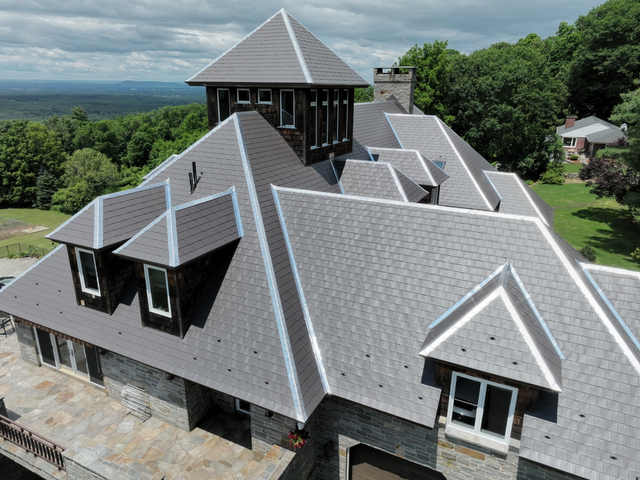
The most popular metal roof material types used in today’s building construction include aluminum, copper, zinc, and steel, all with their own characteristics, costs, pros and cons.
- Aluminum: Aluminum roofing is lightweight, rustproof, and heat-reflective, weighing as little as five pounds per square foot. While durable against hail and wind, it’s softer and more prone to dents. It stays cooler than steel, saving up to 20% on heating and cooling. Additionally, aluminum roofs are eco-friendly, composed of approximately 95% recycled material.
- Copper: Copper roofing, the priciest yet timeless metal option, offers a unique reddish-brown color that develops a green patina over time. It possesses antimicrobial properties, preventing algae and moss growth, and boasts a lifespan exceeding 100 years.
- Zinc: A dense and durable alternative to copper, zinc is the most sustainable. It requires just one quarter of the energy that it takes to process steel or copper and like other metals, it is also 100 percent recyclable. It undergoes a unique patination process, transitioning from nearly black to a light blue or gray color.
- Steel: The go-to metal roofing material, steel is a robust alloy crafted from iron and other elements. It stands out as one of the strongest and affordable options, capable of withstanding severe weather conditions like high winds, hail, and heavy snow loads. Choose from versatile options such as galvanized steel, galvalume, and stone-coated steel, available in a diverse range of colors.


View Metal Roofing Alliance’s side-by-side comparison of the most common roofing materials.
Metal Roof Styles
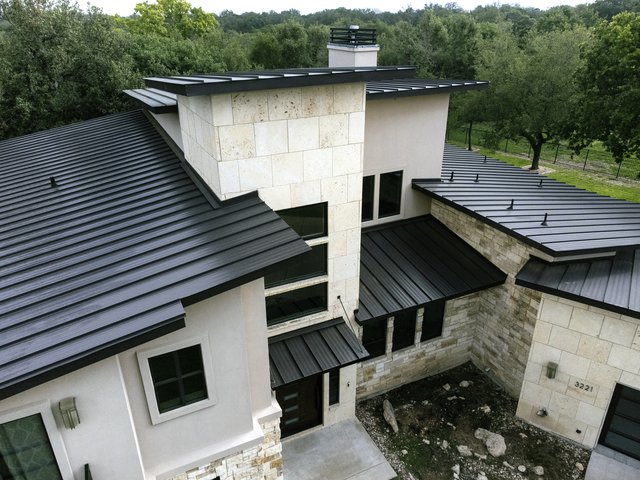
In addition to the material of a metal roof, there are several styles to select from including standing seam, corrugated, stone-coated, metal shingles, tiles, and slate.
- Standing Seam: Standing seam metal roofs consist of long vertical panels joined together at the seams using hidden fasteners, which create clean lines and minimize the roof leak risk. Cost may be a factor, given it’s generally higher than other metal roof types.
- Corrugated: Corrugated metal roofs resemble the zigzag pattern seen inside cardboard boxes and have an old-fashioned, all-American, rural look. Depending on the material, corrugated metal can be quite affordable and quick to install, but the ridges can collect debris.
- Stone-Coated: Stone-coated metal can be made to look like traditional roof shingles, roof shakes, or roofing tiles. It’s available in a variety of colors, fire-resistant and has a long life span, making it a versatile metal roofing option.
- Metal Shingles: Metal shingles give the look of classic shingles with the added durability of metal. They have a three-dimensional texture that mimics traditional wooden or asphalt shingles. But unlike organic roofing materials, metal shingles aren’t prone to mildew growth and can outlast asphalt shingle roofs.
- Metal Tiles: Designed to resemble ceramic or clay tiles, they feature textures and patterns that add artistic flair to a roof. Compared to flat metal panels, metal tiles are less prone to oil canning, and the varied patterns minimize the visibility of minor imperfections.
- Metal Slate: Unlike smooth metal shingles or those designed to resemble wavy terra cotta, metal slate roofs are staggered and overlapping. Metal slate roofing mimics the look of natural stone slate roofing and come in a variety of colors.
Fastening Method/Installation
Exposed or concealed fasteners? When selecting a metal roof, it’s important to understand the differences in fastening methods and weigh factors such as cost, climate, desired aesthetics, and life span. While exposed fastener panels are typically less expensive, the screws or nails penetrate the panels to create a more industrial look, for a more “visible” look. Concealed fasteners are hidden underneath the metal panels using clips or rails for a cleaner, more seamless appearance and typically provide better weather sealing and longevity.


How you choose which metal roof is right for you is an important decision. Working with an experienced roofing company can help you choose between available styles and stay within your price point while keeping your curb appeal in mind. Other factors to keep in mind include your location’s weather and temperatures, decide whether you prefer a more traditional or modern look, and then consider different installation techniques and how important customization options are to you. Keeping these things in mind will help you make an excellent choice for your new roof.
For additional resources on metal roofing and to search for certified roofing companies, check out the following METALCON partners: