In our last blog, we explored why metal buildings consistently outperform traditional construction materials. Now, let’s turn our attention upward — to the roof.
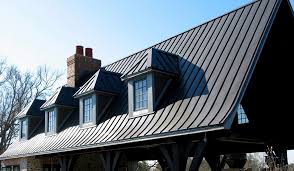
Why should metal roofing be chosen over alternative methods? Here are a few truths — and how METALCON, along with its partner associations, can be your go-to resource for learning more about metal roofing systems, performance, and best practices.
✔️ Metal roofs are a long-term investment. Many systems can last 60 years or more with minimal maintenance.
✔️ Metal roofs are built to perform. They hold up under fire, high winds, heavy snow, and hail.
✔️ Metal roofs are sustainable by design. When they reach the end of their lifespan, they can be fully recycled.
The benefits of metal roofing often outweigh traditional options like asphalt shingles — especially when you evaluate performance and lifespan over time. Read on to see why metal roofs continue to earn their place as a smart, future-ready choice.
Metal Roofing Benefit #1: Exceptional Longevity

How long do metal roofs last?
Longevity is one of metal roofing’s most compelling advantages. Depending on the material and coating system, metal roofs can last 40 to 80 years or more, far exceeding the typical 15–25 year lifespan of asphalt shingles.
This extended service life translates into fewer replacements, reduced lifecycle costs, and long-term peace of mind—especially for owners looking to invest once and build for the future.
Metal Roofing Benefit #2: Built for Resilience
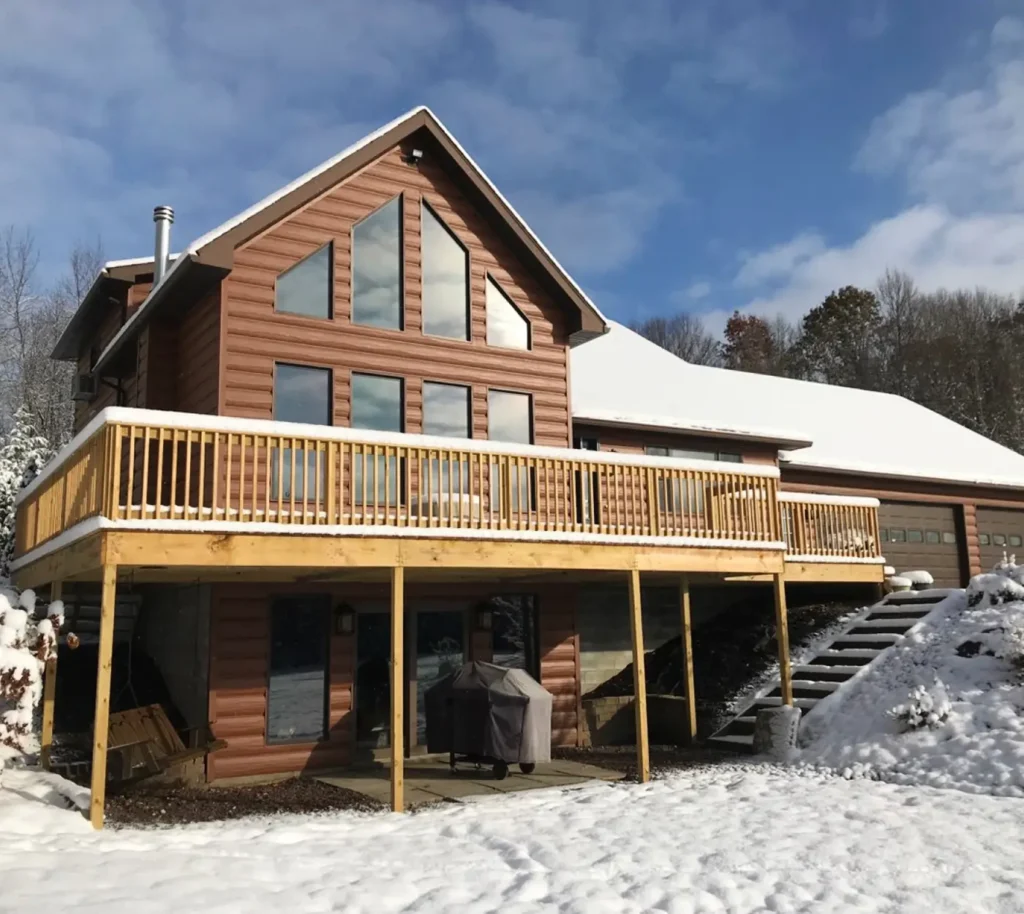
Are metal roofs durable?
Metal roofing systems are engineered to perform in some of the most demanding weather conditions Mother Nature can deliver.
According to the Metal Roofing Alliance (MRA) — one of METALCON’s long-standing and valued association partners — quality metal roofs are a smart choice for areas exposed to extreme wind and storm events, with many systems capable of withstanding gusts in excess of 140 mph (equivalent to winds seen in strong hurricanes and F2 tornadoes). Metal roofs are also highly resistant to moisture penetration, reducing the risk of leaks during heavy rain and tropical weather conditions.
This level of wind and weather performance makes metal roofing particularly appealing in regions prone to hurricanes, tropical storms, and severe wind events, where conventional roofing materials often struggle. Proper design, secure attachment, and adherence to installation best practices are essential to fully realize metal roofing’s resilience potential.
In addition to wind performance, metal roofs exhibit excellent resistance to hail, heavy snow loads, and other climatic stresses, which helps minimize repairs, reduce lifecycle costs, and protect building contents regardless of environment.
Metal Roofing Benefit #3: Energy Efficiency that Pays Off
Are metal roofs energy efficient?
Metal roofs can significantly reduce energy consumption by reflecting solar radiation and improving overall thermal performance. In many cases, homeowners and building owners can see energy savings of up to 40%, depending on location and roof design.
- In warmer climates, pre-painted or granular-coated metal roofs reflect and re-emit a high percentage of solar energy, helping keep buildings cooler.
- In cooler climates, unpainted metal roofs can absorb more heat, contributing to improved energy efficiency during colder months.
The result: lower utility bills and a more comfortable interior environment year-round.
Metal Roofing Benefit #4: A Sustainable Roofing Solution
What is the environmental impact of metal roofing?
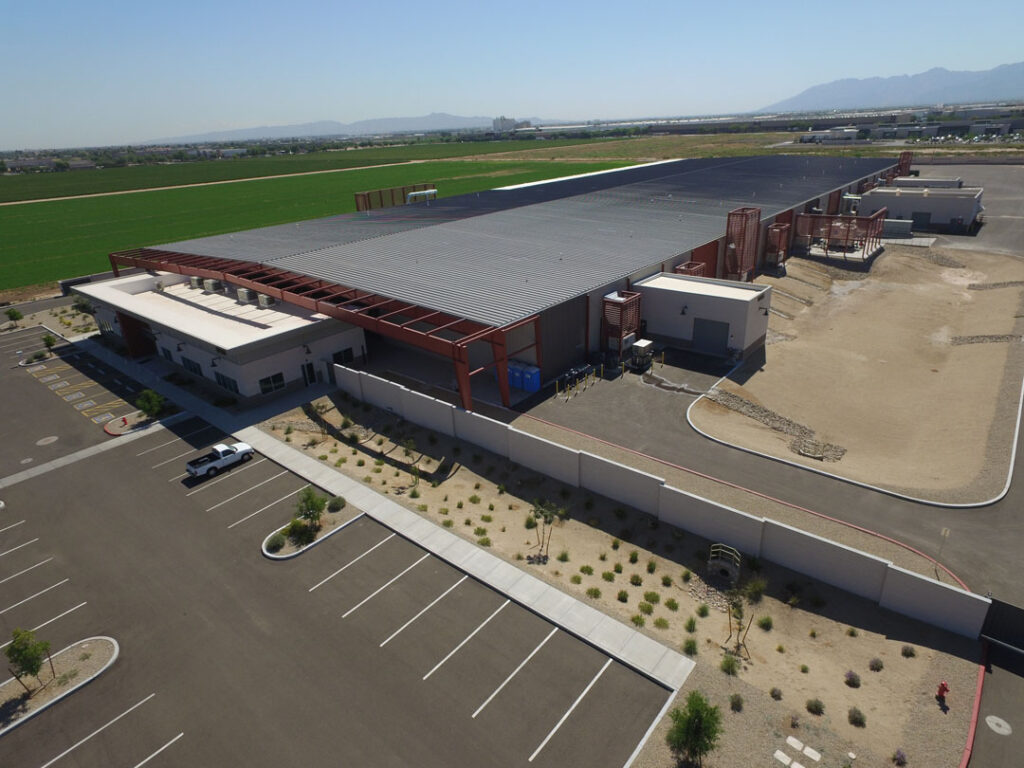
Metal roofing is widely recognized as one of the most sustainable roofing options available. Quality metal roofs are not only manufactured with a significant percentage of recycled content, but they are also 100% recyclable at the end of their long service life, unlike many traditional roofing materials that end up in landfills. This means a metal roof contributes far less waste over time and supports a circular use of materials.
According to the MRA, metal roofs can last 50 years or longer, significantly reducing waste by limiting the frequency of tear-offs and replacements. Because metal can be recycled repeatedly without degrading its quality, today’s metal roofing panels often become tomorrow’s new roofing or building materials.
Beyond recyclability, metal roofing’s durability and lighter weight can reduce overall material use and long-term environmental impact, making it a smart choice for owners and builders focused on sustainability, performance, and responsible material selection.
Metal Roofing Benefit #5: Impact and Fire Resistance
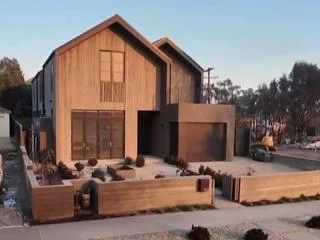
Metal roofs offer superior resistance to both impact and fire—two critical performance factors in today’s increasingly extreme environments.
Most metal roofing systems carry a Class A fire rating, the highest level available, meaning the material itself is noncombustible and does not ignite when exposed to flame or extreme heat. This characteristic also makes metal roofs highly resistant to wind-driven embers, a key concern in wildfire-prone regions.
According to MBCI—an industry-leading manufacturer of metal roofing and wall panels — metal roofing provides superior fire safety due to its noncombustible properties, ability to maintain structural integrity under high heat, and long-term performance compared to traditional roofing materials. These qualities make metal roofing a strong line of defense for both residential and commercial structures.
In addition to fire performance, metal roofs also offer strong impact resistance, including against hail and debris — another element where they often outperform traditional asphalt systems. This level of resilience reduces risk, maintenance, and long-term costs.
Why the Benefits Outweigh the Upfront Investment
While metal roofing may carry a higher initial cost than some alternative materials, its longevity, performance, energy savings, and reduced maintenance often make it the more cost-effective option over the life of the building. When evaluated through a lifecycle lens, metal roofing consistently proves its value.
Continue the Conversation with METALCON
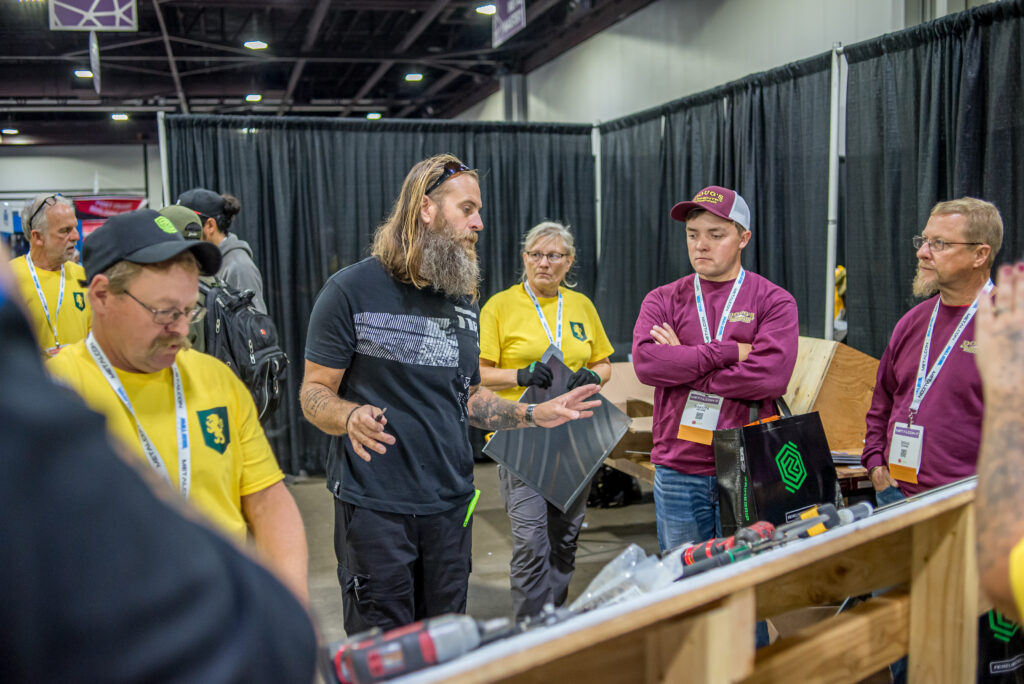
Want to dive deeper into metal roofing systems, installation best practices, and emerging innovations? METALCON Online offers on-demand webinars led by industry experts covering metal roofing design, performance, and code considerations—available anytime, anywhere.
For an even more immersive experience, METALCON 2026 brings the metal roofing industry together in person with live education sessions, product demonstrations, and hands-on learning opportunities you won’t find anywhere else. Whether you’re specifying, installing, or manufacturing metal roofing systems, METALCON is where insight meets innovation. METALCON 2026 is scheduled for October 7-9 at the Orange County Convention Center in Orlando, Florida.