When it comes to choosing building materials, the debate often comes down to two contenders: metal vs. wood. Each material has its place in construction, but for today’s builders, architects, and contractors, the choice is about more than tradition — it’s about performance, compliance, sustainability, and long-term value.
So, how do metal buildings compare with wood buildings, and what factors should guide your decision? Let’s break it down.
The Case for Wood Buildings
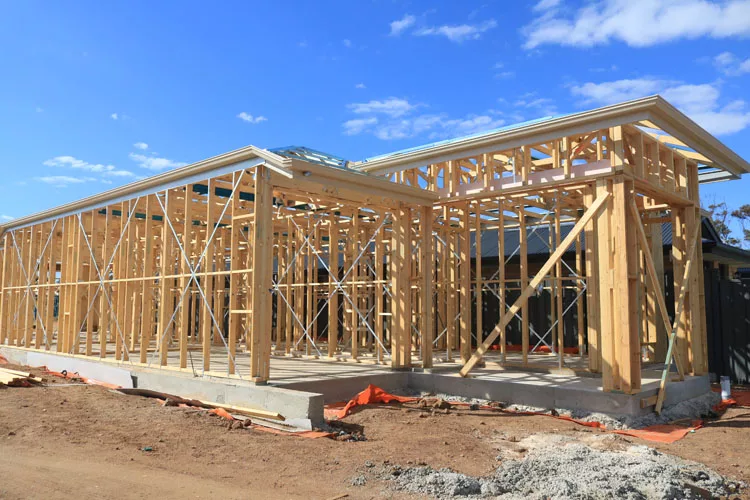
Wood has been a go-to building material for centuries, valued for its availability, affordability, and ease of use. For small-scale projects, it’s often the most accessible choice.
Pros of Wood Buildings:
- Readily available and relatively inexpensive upfront
- Easier to cut, shape, and work with on-site
- Offers a natural aesthetic appeal
- Lightweight, reducing some foundation costs
Cons of Wood Buildings:
- Vulnerable to fire, rot, termites, and moisture damage
- Prone to warping, cracking, and shrinking over time
- Lower resistance to extreme weather events (wind, hurricanes, wildfires)
- Requires ongoing maintenance
- Can present challenges with modern code compliance
The Case for Metal Buildings

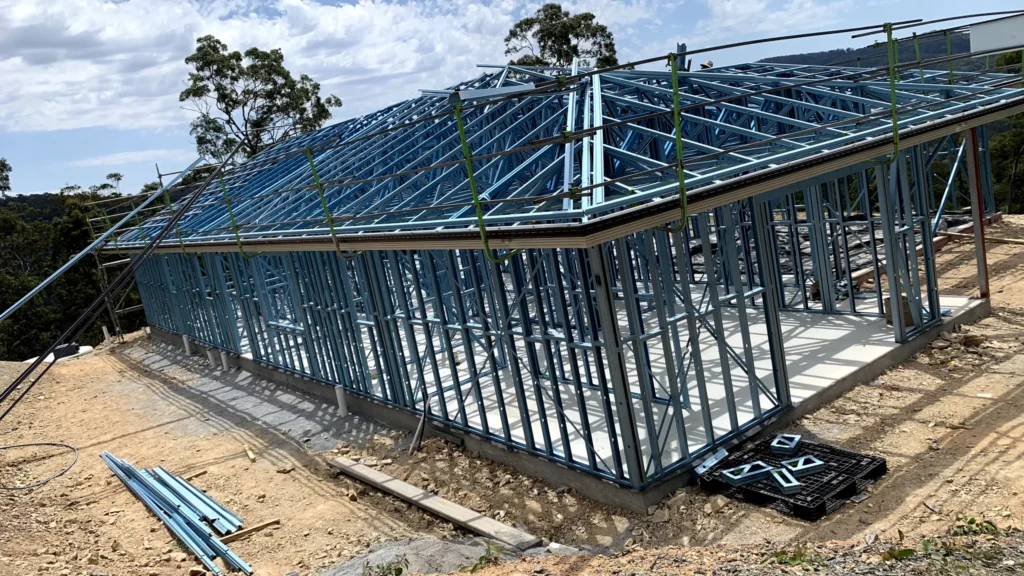
Steel-framed and metal-clad buildings have become the industry standard for commercial, industrial, and even residential projects where strength, durability, and sustainability are top priorities.
Pros of Metal Buildings:
- Stronger and more flexible – steel frames are stronger and lighter than their wooden counterparts
- Superior durability leading to less maintenance costs over the lifespan of the structure
- Fire, pest, and rot resistant
- High wind and weather performance
- Consistent quality — fabricated to precise specifications
- Energy-efficient and recyclable
- Adaptable design options for both functional and architectural projects
Cons of Metal Buildings:
- Higher upfront material costs compared to wood
- May require specialized labor for installation
- Conductivity can require additional insulation strategies in certain climates
Choosing Between Steel Frame vs Wood Frame Construction: Why Steel is Better
Wood and steel framing are two of the most widely used structural systems in construction, each offering distinct advantages depending on the project. Factors like budget, building type, and environmental conditions often guide the choice. But when you take a closer look—particularly at how each material is manufactured and performs — steel consistently comes out ahead.
Consider these differences:
- Precision: Steel framing is produced through roll-forming automation, ensuring uniformity and accuracy. Wood framing, on the other hand, is vulnerable to natural imperfections, knots, and warping that can affect performance.
- Efficiency: Steel framing is typically prefabricated, which minimizes waste and speeds up installation. Wood framing often requires extensive on-site cutting and adjustments, generating more waste and adding time to the schedule.
- Sustainability: Steel is 100% recyclable and can be reused without loss of strength. Wood, while renewable, requires continuous harvesting of trees and is less sustainable at scale.
The result? Steel framing delivers greater consistency, faster builds, less waste, and a more sustainable long-term solution.
Beyond Wood vs. Metal: The Hidden Problem of Wood Blocking

Even in steel-framed buildings, one organic material still shows up on job sites: wood blocking. Traditionally used in roof assemblies and structural connections, wood blocking can create unexpected performance issues.
Experience the #1 Metal Construction Tradeshow from METALCON
Choosing between wood and metal isn’t just a material decision — it’s a strategic one. At METALCON 2026, scheduled October 7-9 at the Orange County Convention Center in Orlando, Florida, you’ll gain the insights and tools to make smarter, more resilient choices for your projects. From expert-led education to a robust exhibit hall, hands-on training, and networking opportunities, METALCON is where industry professionals learn how to build stronger, smarter, and better.
If you’ve ever wondered whether wood or metal is the better fit for your projects, attending METALCON will give you the knowledge — and confidence — to decide.
👉 Come see for yourself how metal truly stacks up against wood at METALCON 2026 — SIGN UP FOR UPDATES TODAY.