One of the defining advantages of metal roofing is its exceptional longevity. Under ideal conditions, a properly installed metal roof can last 40 to 70 years or more. However, “ideal conditions” don’t always exist. Environmental exposure — including moisture, UV radiation, salt air, temperature fluctuations, and severe weather — can gradually degrade even the most durable roofing systems.
While metal roofs are designed for resilience, all roofing systems eventually reach a point where replacement becomes more practical than continued repair. Recognizing the warning signs early allows building owners and facility managers to plan proactively, protect assets, and avoid costly disruptions.
Here are seven key signs that it may be time to replace your roof.
Signs a Metal Roof Replacement is Necessary
1. Protective Coatings Are Worn, Faded, or Failing
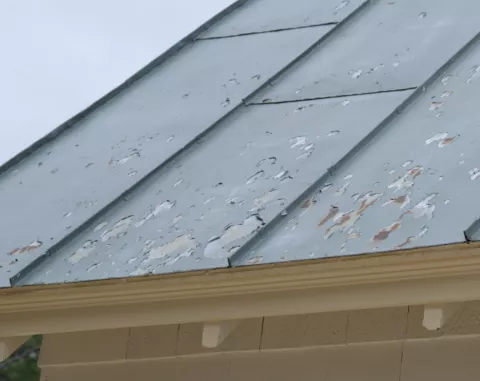
Protective coatings serve as the first line of defense against corrosion, moisture intrusion, and UV damage. Over time, exposure to sunlight, temperature cycling, and environmental contaminants can cause coatings to fade, chalk, crack, or peel.
Once the protective finish deteriorates, the underlying metal becomes vulnerable to oxidation and corrosion. While localized recoating may extend service life, widespread coating failure often signals that the roof system is nearing the end of its functional lifespan.
2. Corrosion, Rust, or Material Degradation Is Present
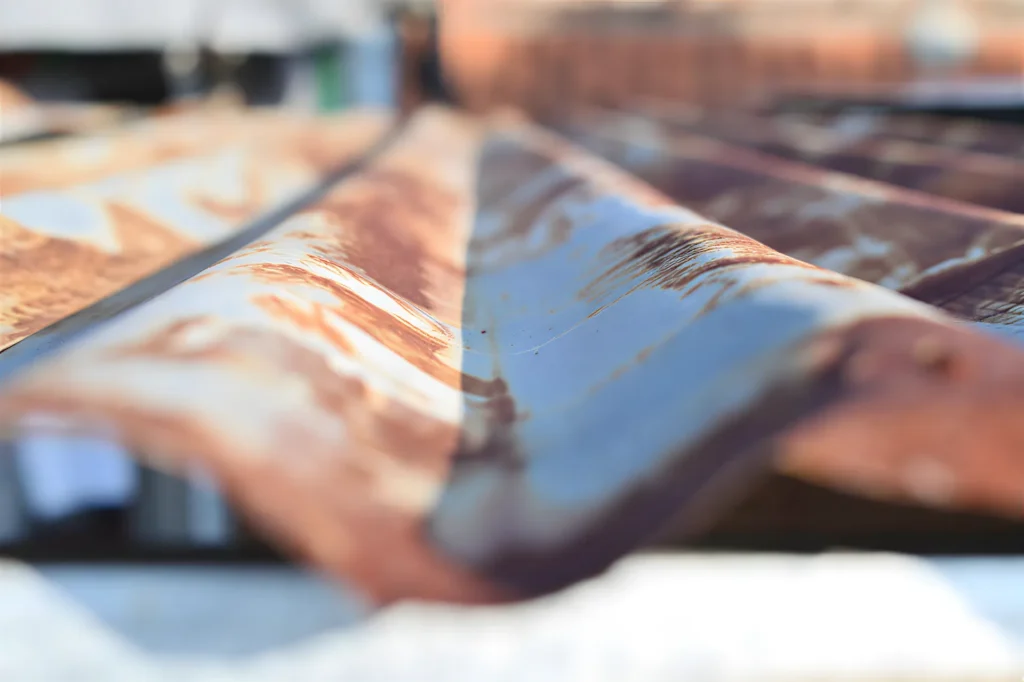
Metal roofing systems are engineered to resist corrosion, but protective layers can break down over time—especially in coastal environments, high-humidity regions, or areas exposed to industrial pollutants.
Warning signs include:
- Rust spots or widespread oxidation
- Corrosion around fasteners or seams
- Pitting or surface deterioration
- Structural thinning of panels
Corrosion compromises structural integrity and weather resistance. If deterioration is extensive, replacement is often the most reliable long-term solution.
3. Persistent Leaks or Water Intrusion
Water infiltration is one of the clearest indicators of roofing system failure. Leaks may result from:
- Failed sealants or flashing
- Loose or backed-out fasteners
- Corroded or warped panels
- Seam separation
Even minor leaks can lead to insulation damage, mold growth, and structural deterioration. When leaks become frequent or widespread, replacement is often more cost-effective than ongoing repair.
4. Panels Are Damaged, Dented, or Structurally Compromised
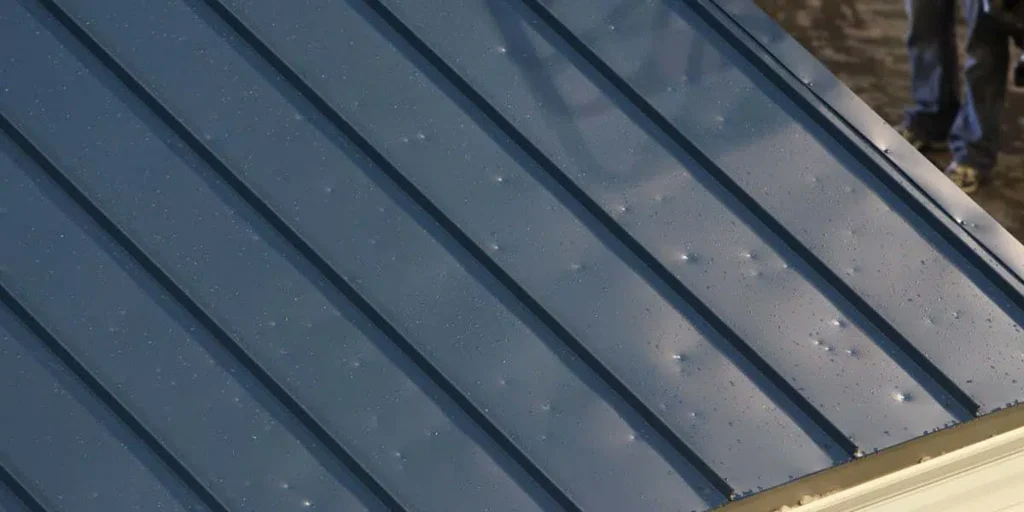
Physical damage from hail, debris, falling objects, or mechanical stress can compromise both the protective coating and the structural integrity of metal panels.
Even minor-looking dents or scratches can expose the substrate to corrosion or weaken performance over time. Extensive or widespread panel damage often warrants full replacement rather than isolated repair.
5. Fasteners Are Failing, Backing Out, or Wallowing
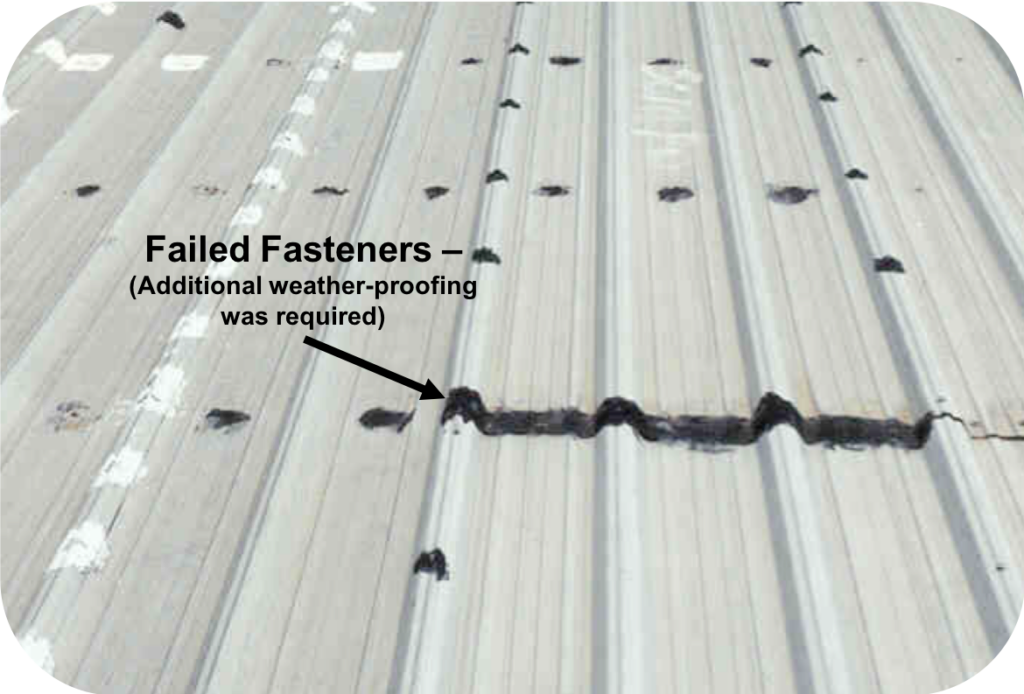
Fastener failure is one of the most common causes of aging metal roof system failure — particularly in exposed fastener systems.
Thermal expansion and contraction, wind uplift, and long-term stress can cause fasteners to loosen, back out, or enlarge their attachment holes. This condition can allow water penetration and reduce wind resistance.
When fastener failure becomes widespread, repairs may no longer be sufficient, and replacement may be necessary to restore system integrity.
6. Repairs Are Becoming More Frequent and Less Effective
As metal roofs age, maintenance needs often increase. Frequent repairs, fastener replacements, and leak mitigation can become increasingly costly and less effective over time.
At a certain point, investing in a new metal roofing system provides greater reliability, improved performance, and lower long-term maintenance costs.
7. The Roof Has Exceeded its Coating or System Service Life
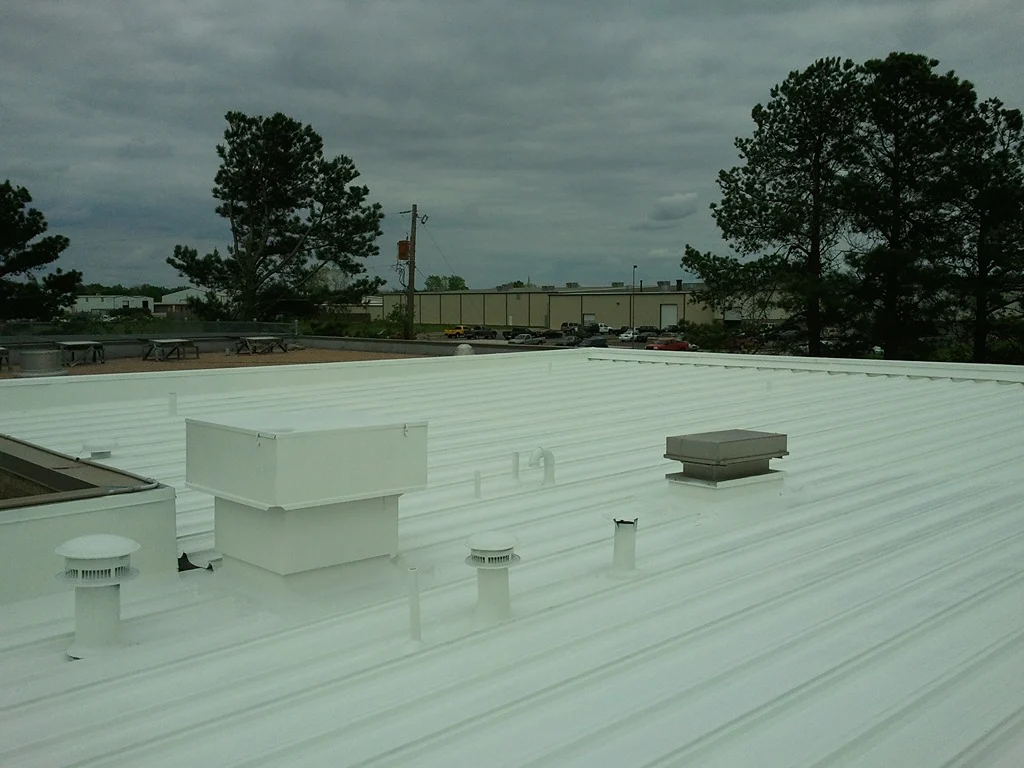
Many architectural metal roofing systems are installed with high-performance finishes designed to protect panels for decades. While coatings do not fail suddenly, aging finishes gradually lose their protective properties.
As coating systems reach the end of their performance lifecycle, the risk of corrosion and system failure increases. This is often an appropriate time for building owners to begin planning for replacement.
Planning Ahead Ensures Long-Term Performance
Metal roofs remain one of the most durable and resilient roofing solutions available. However, proactive replacement planning — based on visible warning signs and lifecycle expectations — helps building owners avoid unexpected failures and costly emergency repairs.
Modern metal roofing systems offer enhanced durability, improved coatings, and superior resistance to extreme weather, ensuring long-term protection and performance.
Replacing a roof is a major investment, but waiting too long can result in more severe damage and higher costs. By recognizing the warning signs early, building owners can plan proactively and choose modern metal roofing systems that deliver superior protection, efficiency, and long-term value.
Gear Up for the Next METALCON Tradeshow!
Recognizing the warning signs of metal roof deterioration is only the first step. Knowing how to address those issues — with the right materials, systems, and installation techniques — is critical to ensuring long-term performance and resilience.
At METALCON, all members of the metal construction industry gain direct access to the latest innovations in metal roofing — from advanced coating technologies and high-performance panel systems to improved fastening solutions and retrofit strategies designed to extend roof life and enhance durability.
METALCON’s comprehensive education sessions, exhibits, and live demonstrations provide practical insights into diagnosing roof failures, selecting appropriate replacement systems, and implementing best practices that improve weather resistance, energy efficiency, and lifecycle performance.
Whether you’re planning a roof replacement, specifying materials for a new project, or looking to stay ahead of emerging industry trends, METALCON offers the knowledge and connections needed to make informed decisions and deliver superior results.
Explore the solutions, connect with industry experts, and prepare for what’s next — at the next METALCON tradeshow scheduled for October 7 – 9 in Orlando, Florida. Sign-up HERE to receive show updates.