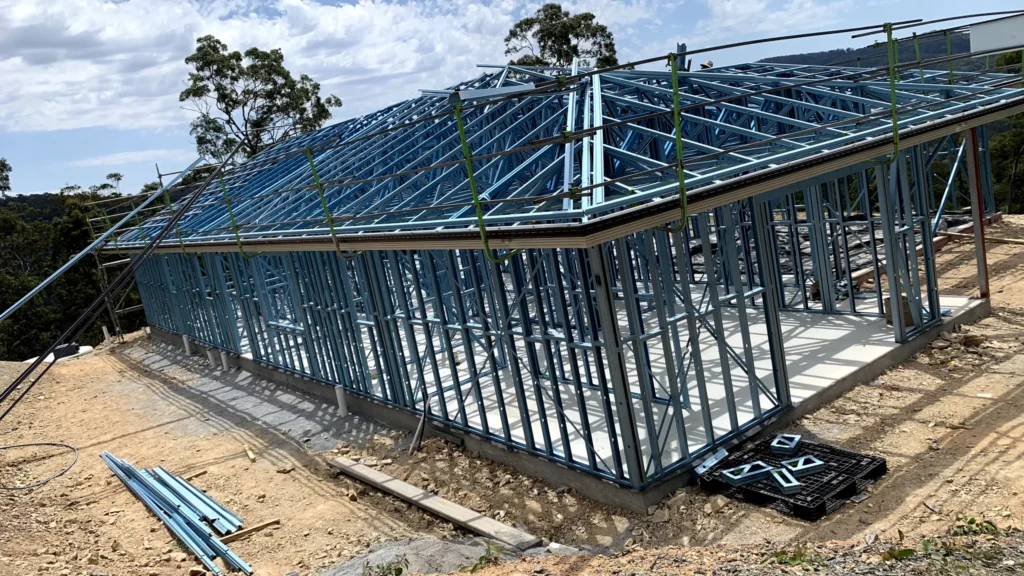
As extreme weather events continue to intensify — including the recent nationwide winter storm and prolonged arctic cold — the need for more resilient buildings has never been greater. These conditions are putting added strain on traditional structures and highlighting the importance of materials engineered for performance. Metal buildings are renowned for their durability and are designed to withstand harsh conditions such as high winds, heavy snow, and seismic activity. In this blog, we’ll explore why metal construction offers a stronger, more resilient alternative for today’s demanding environments.
Why Metal Buildings Outperform Traditional Construction in Structural Strength
Traditional construction often relies on materials such as wood, brick, and poured concrete. While these methods have a long history and proven track record, they can also involve longer build times, higher labor requirements, and greater maintenance demands over the life of the building. In contrast, metal building systems are engineered and prefabricated to streamline construction, improve schedule predictability, and enhance long-term performance — making them a resilient alternative in today’s increasingly unpredictable conditions.
When it comes to construction projects, choosing the right materials can make all the difference. Whether you’re planning a commercial, industrial, agricultural or residential structure, metal buildings offer significant advantages in durability, cost-effectiveness, and efficiency. Engineered steel framing systems are designed to meet strict building codes and site-specific load requirements, making them especially well-suited for regions prone to high winds, heavy snow loads, seismic activity, and extreme temperature swings.
Here are five key reasons metal buildings consistently outperform traditional construction:
1. Unmatched Durability and Longevity
Metal buildings are engineered to withstand extreme environmental stresses. Steel framing does not warp, crack, or shrink like wood, and it maintains its structural integrity over decades of use. High-performance metal roof and wall systems are also designed to resist hail, wind uplift, and snow accumulation — critical factors in regions that experience severe winter weather and seasonal storms.
As a non-combustible material, steel also enhances fire resistance, helping limit structural damage in fire events and potentially contributing to lower insurance costs in certain applications. In many cases, properly designed and maintained metal buildings can last 40–60 years or more, making them a long-term investment in resilience and performance.
2. Cost-Effective Construction
According to industry data from Metal-Buildings.org, metal buildings often deliver significantly lower total project and lifecycle costs due to faster construction timelines, reduced labor requirements, and lower long-term maintenance compared to traditional construction methods. The prefabricated nature of metal building systems reduces material waste, shortens construction schedules, and minimizes labor requirements. Faster project completion also means earlier occupancy, which can improve cash flow for owners and reduce financing costs.
Over the life of the building, reduced maintenance, fewer repairs, and longer replacement cycles further improve total cost of ownership.
3. Speed of Construction and Greater Project Predictability
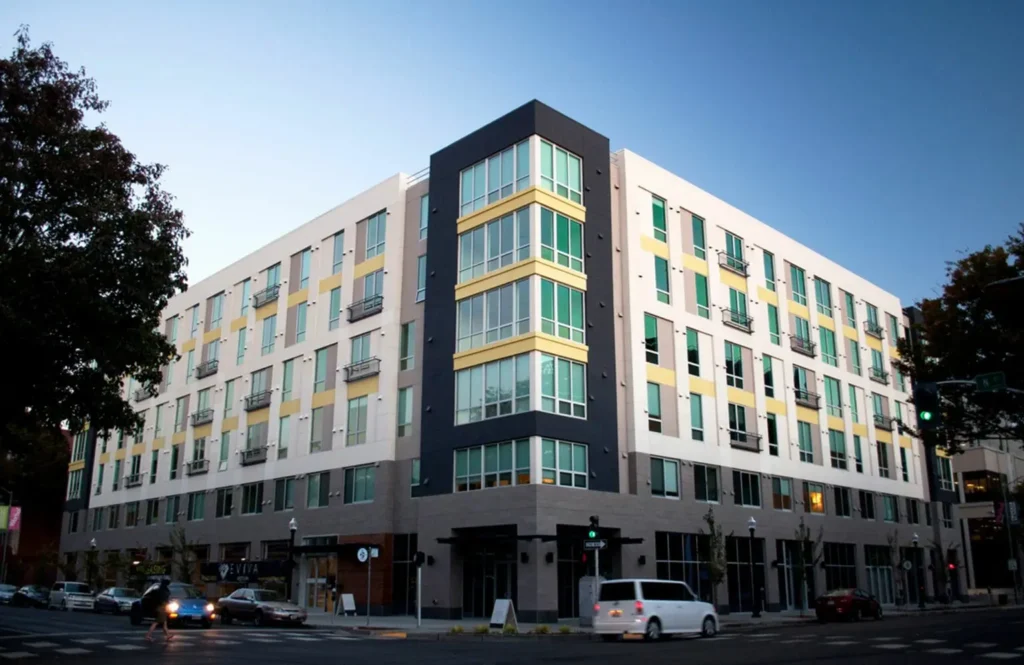
Pre-engineered metal building systems are manufactured off-site and delivered ready for assembly. This streamlined process allows projects to move from foundation to enclosure significantly faster than conventional builds.
Because many components are fabricated in controlled manufacturing environments, projects benefit from improved quality control, greater schedule certainty, and fewer weather-related delays. This predictability helps teams better manage labor, sequencing, and overall project risk — a major advantage in today’s ever-evolving construction environment.
4. Low Maintenance Requirements
Metal buildings require far less ongoing maintenance than traditional wood-framed structures. Steel is not susceptible to rot, splitting, or moisture-related deterioration. Modern coatings and finishes also provide excellent resistance to corrosion, UV exposure, and fading, helping preserve both structural performance and appearance.
Fewer maintenance issues translate into lower operating costs, reduced disruptions, and greater long-term reliability.
5. Versatility, Customization, and Long-Term Adaptability
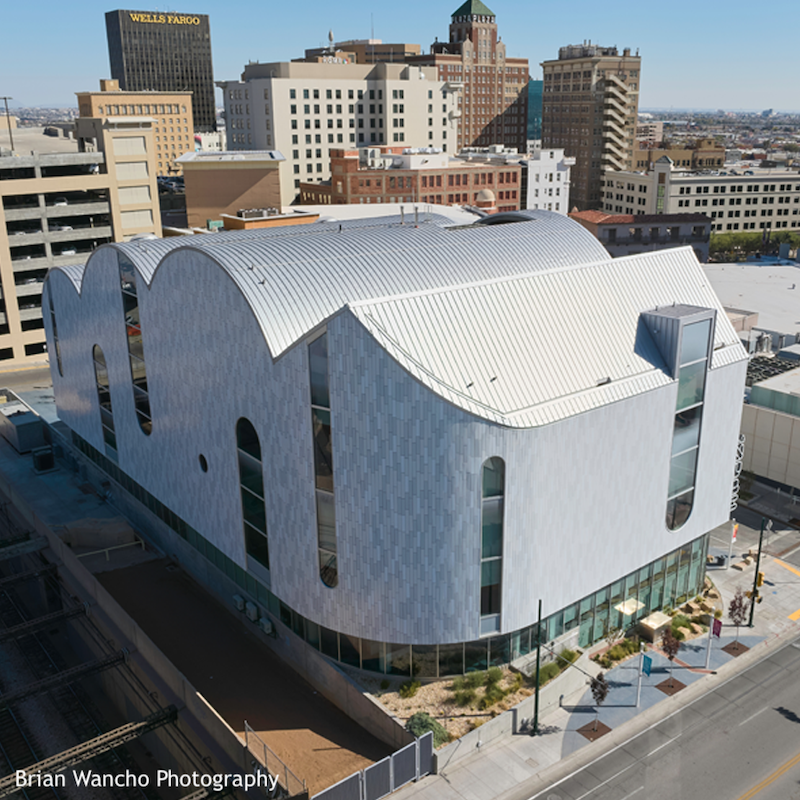
Metal buildings offer exceptional design flexibility. Today’s systems support a wide range of architectural styles, spans, and layouts, along with advanced wall systems, insulated metal panels (IMPs), and energy-efficient roofing options. This versatility makes metal construction suitable for everything from warehouses and manufacturing facilities to offices, retail spaces, schools, and agricultural buildings.
Metal buildings can also be more easily expanded or modified over time, allowing owners to adapt their facilities as needs change — a key component of long-term resilience.
Comparing Lifespan and Lifecycle Costs: Metal Buildings vs. Conventional Builds
While initial construction costs are important, lifecycle costs often provide a more complete picture of a building’s long-term value. According to industry data from Metal-Buildings.org, metal buildings typically average just $0.40 to $0.80 per square foot annually in maintenance costs, compared to $1.50 to $3.50 per square foot for traditional construction. Over a 20-year period, this can translate into substantial savings, driven by fewer repairs, lower material replacement needs, and longer-lasting structural components.
Prefabricated metal building components also allow for tighter tolerances and better quality control, reducing the likelihood of future issues and making repairs simpler when they are needed. In addition, metal roofing and wall systems can often be repaired or replaced in sections, helping owners manage long-term capital planning more effectively. Combined with a service life that routinely exceeds 40–60 years, these factors make metal construction a durable, cost-effective, and resilient alternative to conventional wood, brick, or concrete structures.
Why Metal Structures Are Less Vulnerable to Pests and Environmental Degradation
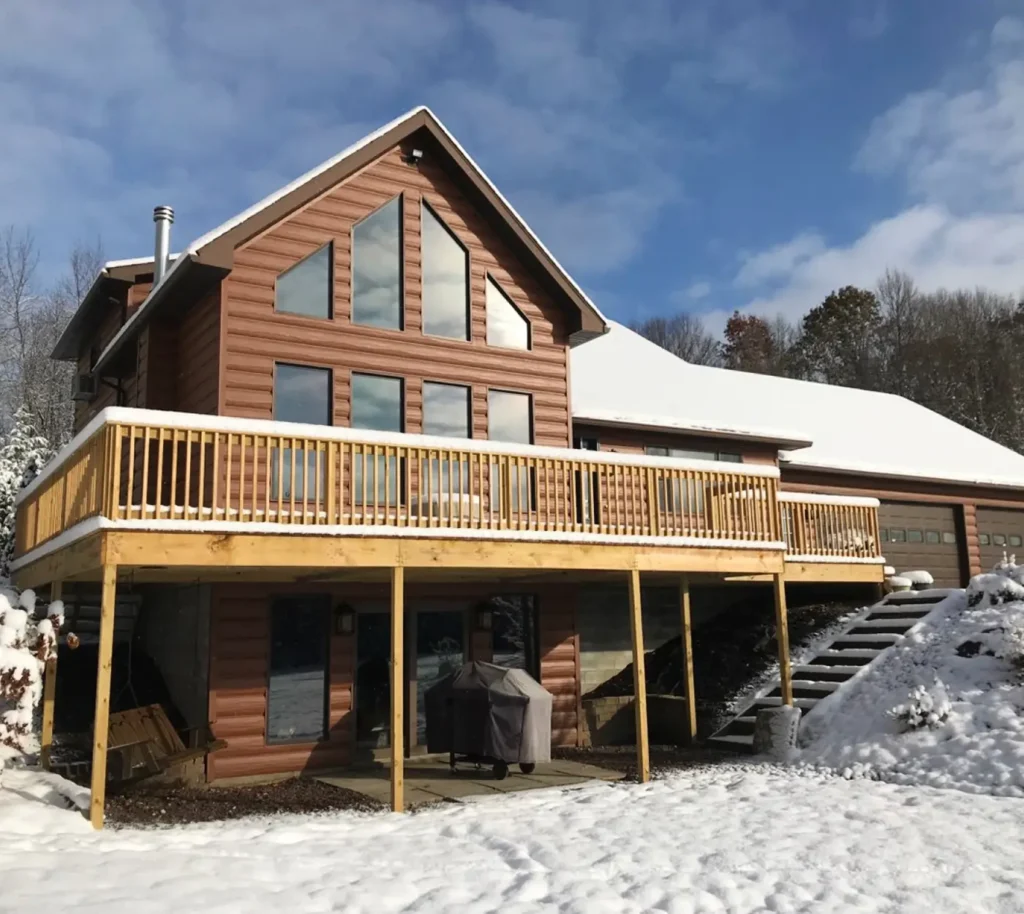
Unlike wood, metal is impervious to termites and other destructive pests. It also resists rot, mold, and mildew — common issues in moisture-prone environments that can compromise traditional construction. This natural resistance significantly extends the lifespan of metal structures and helps maintain indoor air quality.
Metal buildings also perform well in extreme temperature conditions, maintaining structural stability through freeze-thaw cycles and prolonged exposure to heat or cold. Their resilience to weather and pests means fewer unexpected repairs and less downtime, translating into long-term cost savings for owners.
Access Expert Tips for Strengthening Your Metal Construction Projects Today
From selecting the right roof and wall systems to optimizing insulation, coatings, and connection details, smart design choices can significantly enhance building resilience. Staying current on best practices, code considerations, and emerging technologies is essential for designing and constructing metal buildings that can perform under today’s increasingly extreme conditions.
METALCON and METALCON Online offer multiple ways for professionals to access expert-driven education and real-world insights year-round:
Join the Next METALCON Online Live Webinar — February 18

METALCON Online’s upcoming live webinar, Metal and the Residential Revolution, features Todd Miller, President of the Metal Roofing Alliance and one of the industry’s most respected authorities in residential metal roofing. With a career dedicated to advancing metal in the residential market, Todd will explore how today’s “New Normal” is reshaping homeowner preferences, from the growing adoption of metal roofing to the influence of AI on consumer decision-making and project planning. Attendees will gain practical, real-world insights into why more homeowners are choosing metal and how contractors can position themselves to win more projects in this rapidly evolving residential landscape. REGISTER HERE.
Explore the METALCON Online On-Demand Library

Can’t attend live? The METALCON Online on-demand library offers a robust collection of expert-led webinars covering technical know-how, sustainability, building envelope performance, installation best practices, and more. With 24/7 access, professionals can dive into topics like insulated metal panels, air and vapor barriers, coatings, fastening systems, resilience, and energy-efficient design — all on their own schedule.
Experience METALCON In Person This October
For the most immersive learning experience, attending METALCON in person delivers unmatched access to education, hands-on training, and industry connections. METALCON 2026 takes place October 7-9 in Orlando and features:
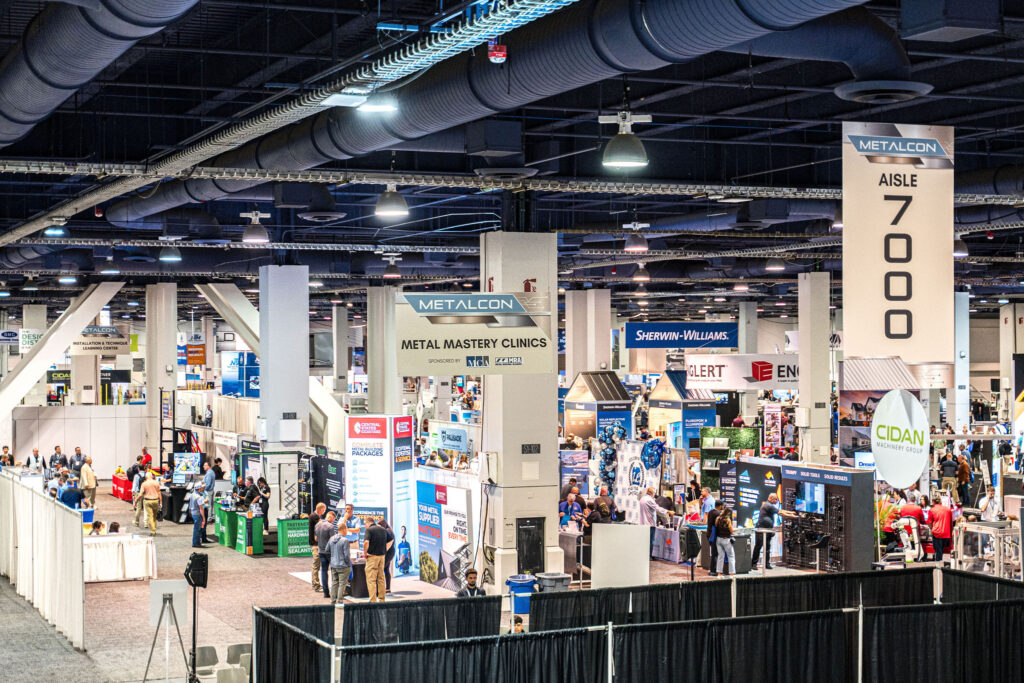
- Direct access to manufacturers, fabricators, and solution providers shaping the future of metal construction
- 35+ free education sessions led by top industry experts
- Hands-on learning in the METALCON Training Zone, where attendees can see installation techniques and best practices in action
- Live demonstrations, technical clinics, and product innovations on the show floor
As metal buildings continue to outperform traditional construction in durability, cost-efficiency, and resilience, METALCON remains the industry’s premier source for expert guidance, providing the insights, education, and resources professionals need to build stronger, longer-lasting structures and drive the industry forward.