
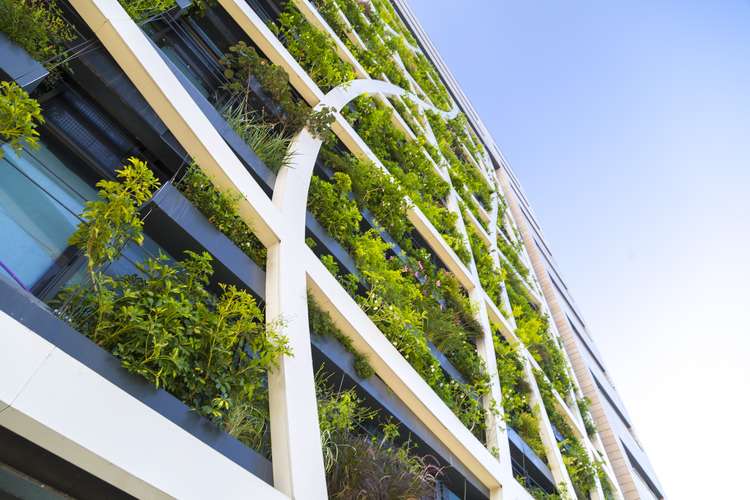
Sustainability is no longer just a buzzword — it’s an essential pillar shaping the future of the construction industry. As the industry evolves to meet ambitious sustainability and climate goals, steel stands out as a key material for achieving net-zero buildings. From reducing carbon emissions to creating structures that last longer and perform better, sustainable construction is driving innovation, efficiency, and long-term value across projects of every size.
In this post, we’ll explore what sustainability really means in construction, its key benefits, best practices, and how you can learn more at METALCON 2025.
What is Sustainability in Construction?
Sustainability in construction refers to designing, building, and operating structures in ways that minimize environmental impact, optimize resources, and promote resilience. This includes:
- Using energy-efficient materials and methods
- Reducing waste and maximizing recycling
- Designing for durability and adaptability
- Incorporating renewable energy solutions
- Enhancing the health and safety of occupants
In short, creating buildings that meet today’s needs that sustain versus compromise future generations.
Top Benefits of Sustainable Construction
Environmental Protection
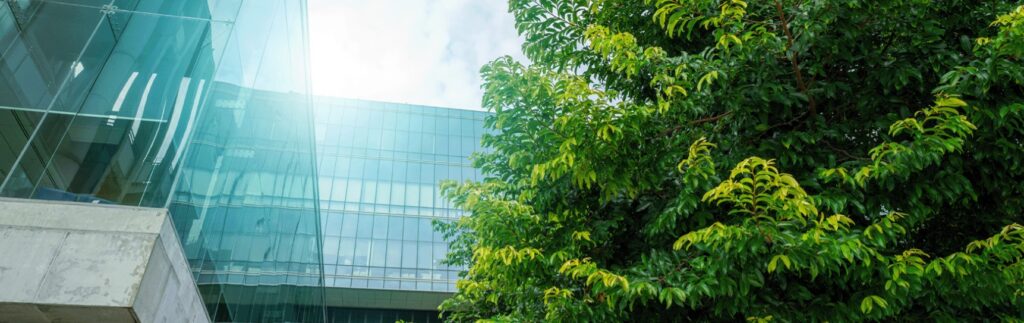
Sustainable construction reduces the resource intensity of building projects. By using locally sourced, energy-efficient materials and reducing construction waste, projects create a smaller carbon footprint. Once built, green buildings also help cut energy and water consumption. Features such as green roofs can improve insulation, reduce cooling needs in summer, and recycle rainwater, creating cleaner air and water while supporting long-term environmental health.
Long-Term Cost Savings
Building green is no longer a financial burden. With innovative materials and smarter building methods, sustainable construction often lowers costs from the start — through efficient use of resources — and delivers even greater savings over time. Reduced utility bills, lower maintenance costs, and enhanced building performance create a compelling return on investment across the building’s lifecycle.
Enhanced Building Performance
Sustainable construction prioritizes high-performing materials and designs that boost energy efficiency, durability, and resilience. Buildings designed with these principles offer better insulation, reduced air leaks, and superior ventilation. These improvements result in lower operational costs, healthier indoor environments, and a longer lifespan for the structure itself.
Increased Property Value
Eco-friendly buildings are increasingly in demand among buyers, tenants, and investors. Properties built with sustainable materials and high-performance systems not only command higher resale and rental values but also offer market differentiation through certifications like LEED or Energy Star. These designations highlight the building’s efficiency, sustainability, and overall quality.
Social and Community Benefits
Sustainable construction is about more than buildings — it’s about people. Eco-conscious materials often produce fewer toxins, creating safer indoor environments. Spaces with natural light and ventilation promote well-being, while resilient design helps communities better withstand natural disasters. By involving the community in the planning process, sustainable construction fosters stronger neighborhoods, improved quality of life, and a greater sense of pride in shared spaces.
Why is Sustainability Essential in Construction?
The construction industry plays a significant role in the global climate conversation — and the numbers speak for themselves. According to the Global Status Report for Buildings and Construction 2024–2025, published by the UN Environment Programme and GlobalABC, buildings currently account for 32% of global energy use and contribute 34% of global CO₂ emissions.
Despite some progress, the sector is not on track to meet Paris Agreement targets. Energy intensity has declined by only 9.5% — falling short of the 18.2% reduction goal — while CO₂ emissions from building operations have risen by 5.4% instead of decreasing.
This data underscores the urgent need for innovation and action:
- Designing and constructing buildings that are more energy-efficient
- Expanding renewable energy integration
- Strengthening and enforcing green building codes
- Prioritizing investments that drive measurable sustainability outcomes
For contractors, developers, and architects, embracing sustainable practices is an essential step toward reducing environmental impact and ensuring the long-term viability of the industry.
What Can be Done? Sustainable Construction Best Practices
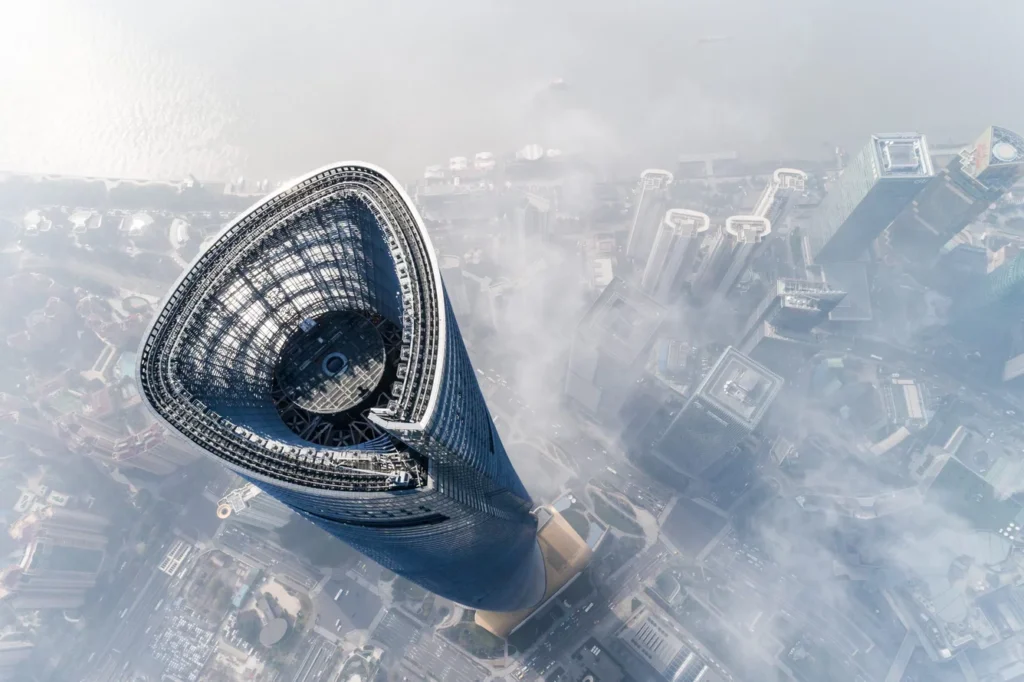
Sustainable construction isn’t a one-size-fits-all approach — it’s about combining innovative materials, thoughtful design, and smarter methods to reduce environmental impact while improving building performance. Inspired by ACB Consulting Services’ 7 Principles of Sustainable Construction, here is a list of best practices:
1. Design for Sustainability
The design process is often where the decisions are made which will have a significant impact on the sustainability of a building. Prioritize durable, high-quality materials that stand the test of time.
2. Design for Energy Efficiency
Energy efficiency starts well before a building is operational. From minimizing the travel distance of materials to using energy-smart equipment during construction including, high-performance insulation, metal roofing, and energy-efficient windows, can significantly reduce energy demands and carbon emissions.
3. Design for Longevity
Adaptable spaces — like flexible floorplans or modular systems — help ensure buildings remain functional and relevant for decades, reducing the need for demolition and new construction. Designing with future use and maintenance in mind supports true long-term sustainability.
4. Improve Indoor Air Quality
Healthy buildings are sustainable buildings. Incorporate adequate ventilation systems, natural airflow strategies, and non-toxic materials to ensure safe, breathable air for occupants. Thoughtful attention to temperature and humidity control also enhances comfort and overall building performance.
5. Conserve Water
Water is a finite resource, and sustainable design treats it that way. Strategies like low-flow fixtures, rainwater harvesting, green roofs, and drought-resistant landscaping help reduce consumption and improve wastewater management throughout the building’s lifecycle.
6. Use Sustainable Materials and Smarter Construction Methods
Opt for materials with a lower environmental footprint, such as recycled steel, bamboo, wood, or hemp. Pair these with efficient construction methods like prefabrication or modular building, which reduce waste, shorten timelines, and minimize emissions from heavy machinery on-site.
7. Collaborate with the Community
Involve local communities in the design and planning stages to ensure projects reflect their needs and values. Creating walkable, transit-friendly neighborhoods fosters connection, accessibility, and long-term livability, making the built environment more resilient and inclusive.
Learn More About Sustainability in Construction at METALCON
As metal and steel continue to drive innovation in green building and net-zero design, METALCON has remained at the forefront of sustainability education, equipping industry professionals with the knowledge to build smarter and greener.
Back in 2021, METALCON Online hosted a popular webinar, “Metal’s Role in Sustainability,” where experts explored how metal building products meet the growing demand for eco-friendly design. Architects Rick Schneider, FAIA, of ISTUDIO Architects, and Hafsa Burt, of hb+a Architects, shared real-world examples, from the Marvin Gaye Recreation Center in Washington, D.C., to Burt’s adaptable modular housing concept, The Box Factory. Bob Zabcik, P.E., Technical Director for the Metal Construction Association, provided deep insight into how metal components drive durability, energy efficiency, and long-term performance.
Fast forward to 2025, and sustainability is taking center stage with nearly a dozen education sessions focused on green design and construction. One standout session is:
Steel Solutions for Sustainable Building Design: Pathways to Net-Zero
Presented by: Amanda Turner, Sustainability Specialist, Cornerstone Building Brands
Date: October 22, 2025
Location: Building Performance Learning Center, Exhibit Hall
And given that the design process is often the first — and most crucial — step in any construction project, the decisions made during this stage can have a lasting impact on a building’s sustainability. To support this, METALCON’s “show within a show,” The Design District @ METALCON, a specialized hub offering expert-led education tailored for architects, designers, and specifiers, is featuring this session:
Seeing Double: Adopting Twins for De-Carbonization, Resilience, and Circularity
Presented by: Alan Scott, FAIA, LEED Fellow, Director of Sustainability, Intertek
Date: October 21, 2025
Location: Design District Learning Center, Exhibit Hall
Join us at METALCON 2025 in Las Vegas, October 21 – 23, to connect with experts, attend live demonstrations, and learn how to make sustainability a cornerstone of your building designs.
Register today for METALCON 2025 and secure your spot in sessions that will shape the future of sustainable construction.