
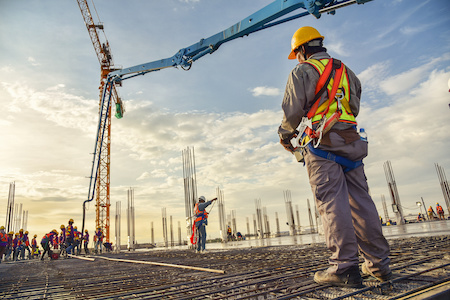
According to Construction Coverage, “the construction industry has experienced several strong years, with job growth driven by shifting demand across different sectors.” While persistent inflation, high interest rates, new tariffs on imports, and shifting federal funding priorities may complicate the near-term landscape, recent projections from the U.S. Bureau of Labor Statistics (BLS) indicate that construction employment is expected to grow faster than the national average over the next decade.
Are Metal Construction Workers in Demand?
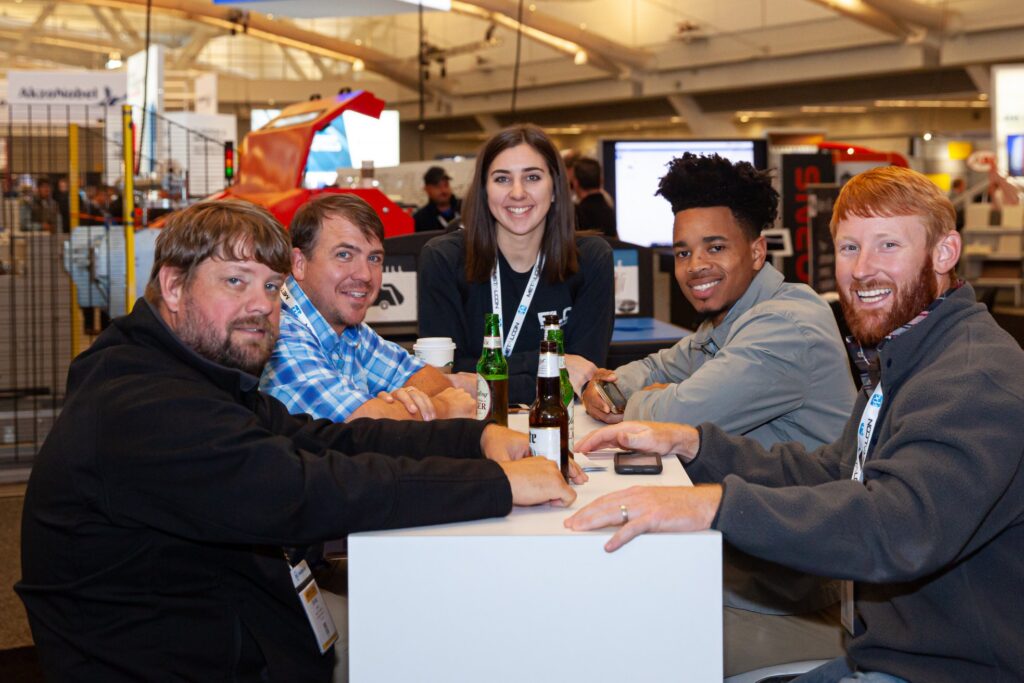
With overall construction employment projected to rise, what does this mean specifically for the metal construction segment? In short: metal construction workers are very much in demand. Persistent labor shortages, a strong pipeline of industrial, manufacturing, and infrastructure projects, and the growing complexity of metal building systems have all increased the need for skilled talent. As the 2025 graduating class steps into the workforce, the industry stands at a pivotal moment.
According to Metal Construction News in “How to Make Metal Construction a Career of Choice for 2025 Graduates,” “For metal builders, fabricators, and erectors, now is a great time to act decisively to recruit the future workforce.”
The sector is uniquely positioned to redefine what a modern construction career looks like. Today, metal construction extends far beyond traditional labor roles. Functions like Building Information Modeling (BIM), project coordination, materials logistics, safety compliance, energy modeling, and digital design have become integral to daily operations. In the field, drone pilots, equipment technologists, and sustainability specialists now work alongside welders, fitters, and installers—broadening the appeal to students interested in STEM, technology, and design-oriented pathways.
Why Consider Working in the Metal Construction Industry?
Exploring a career in this dynamic field offers numerous benefits, from job stability and competitive wages to opportunities for technological innovation and sustainable practices.
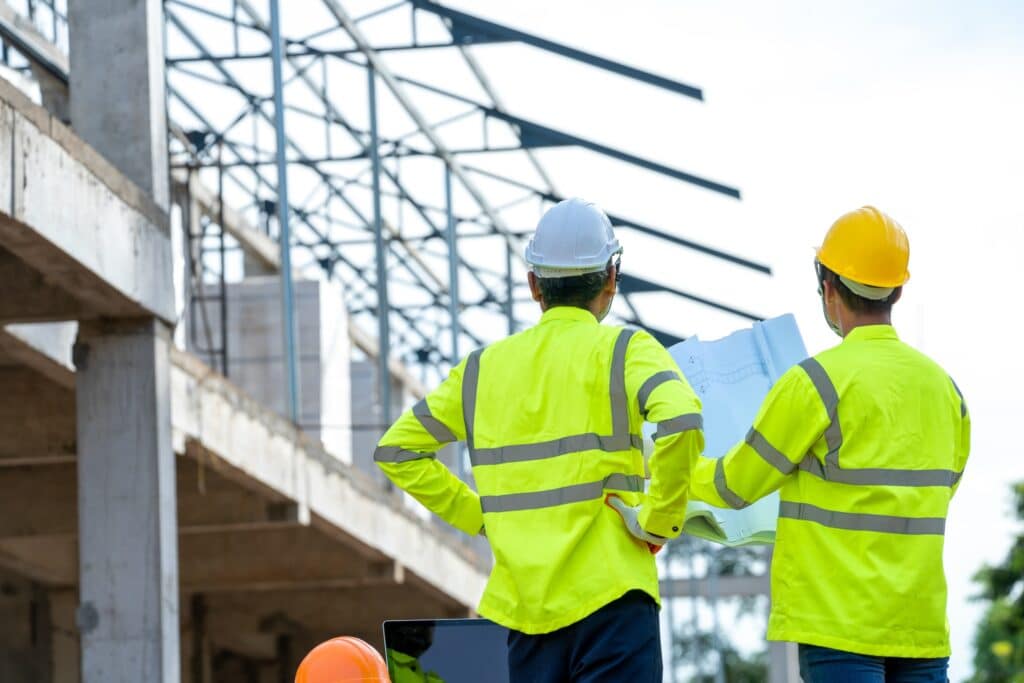
Financial and Benefits
- Competitive Wages: The industry offers strong median wages, with many skilled roles climbing significantly higher with experience, certifications, or union membership.
- Comprehensive Benefits: Many employers provide health insurance, retirement plans (including pensions and defined contribution plans), and paid time off.
- Financial Stability: Construction employment forecasts point to sustained demand for skilled labor, contributing to long-term career stability.
Career and Skill Development
- Clear Advancement Pathways: Many enter the industry with little experience and rise into supervisory, estimator, or project management positions.
- Skill Building: Apprenticeships and on-the-job training provide structure and support while expanding technical capabilities.
- Specialized Training: From welding and metal fabrication to CAD software, safety compliance, and equipment operation, workers can pursue certifications that increase their mobility and earning potential.
Work Environment and Job Satisfaction
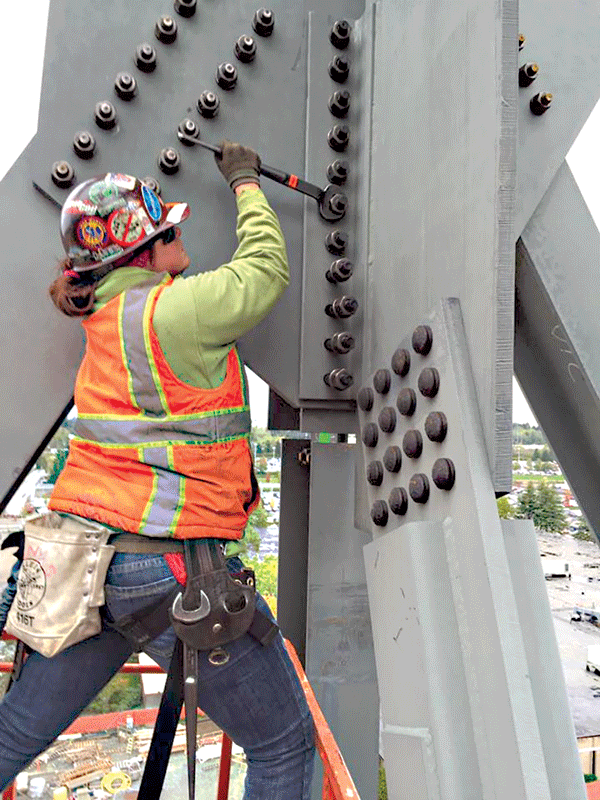
- Tangible Results: Workers take pride in building durable, high-performance structures that serve communities for decades.
- Variety of Work: Opportunities range from shop fabrication and field installation to tech-forward roles in modeling, measurement, and digital documentation.
- Safe Working Conditions: Unions and industry associations advocate for strong safety standards, reducing risk on job sites.
- Inclusive Environment: The industry continues to expand opportunities for women and underrepresented groups, with a notably small gender pay gap compared to other trades.
Take a deeper dive into the the benefits of working in metal construction with METALCON’s Blog “Why Should High School Graduates Seek a Career in the Metal Construction Industry?”
Metal Construction Labor Rates in 2025 and Beyond
Labor rates in the metal construction industry vary widely depending on region, specialization, union affiliation, and experience. However, 2025 wage data shows consistent upward pressure across nearly all skilled trades due to continued labor shortages, increased infrastructure spending, and a strong pipeline of manufacturing, distribution, and industrial construction projects.
According to AGC of America and Sage’s 2025 Construction Hiring & Business Outlook, most contractors expected to expand their headcount in 2025 and expressed confidence in the volume of projects available to bid on. This optimism — paired with ongoing hiring challenges — continues to push wages higher across the industry.
2025 Labor Rate Snapshot
- According to the BLS, construction laborers and helpers had a median annual wage of $46,050 in May 2024 (≈ $22.14/hour) and employment projected to grow ~7% from 2024-34.
- Buildern’s 2025 Construction Industry Outlook shows skilled trade wages in many construction markets are rising at 5-7% per year in 2025.
- According to the 2025 SMACNA Cost Study, for union-based construction labor, the average wage portion was ~$41.68/hour (with benefits/retirement adding further cost).
What this Means for Metal Construction
Metal-construction roles — steel erectors, welders, sheet-metal installers, panel erectors, and specialized technicians — typically sit above the general construction median due to higher skill requirements, safety demands, and, in many regions, union representation.
- Entry to mid-level compensation: Workers can expect wages in the $45,000–$65,000+ range depending on region, union status, overtime opportunities, and specialization.
- Advanced and technical roles: Highly experienced or specialized positions (e.g., CNC operators, BIM technicians, advanced erectors) often earn $70,000–$90,000+, especially in high-cost or union markets.
- Why it matters: Elevated demand for metal buildings — including industrial facilities, data centers, logistics hubs, and renewable-energy projects — continues to sustain competitive wage growth.
Outlook for 2026
Preliminary forecasts show wage growth likely continuing into 2026 as contractors face a combination of a flat economic environment, aging skilled workers, and persistent labor shortages. Many analysts expect the market for skilled metal construction labor to remain tight, with compensation rising 4–6% or more in several markets.
What are Metal Construction Employers Looking For?
Technical Skills & Certifications
Employers prioritize candidates familiar with welding, metal fabrication, rigging, crane signaling, panel installation, safety protocols, and reading blueprints. Certifications such as OSHA-10/30, AWS welding credentials, or equipment operation cards offer a strong advantage.
Digital & Technology Capabilities
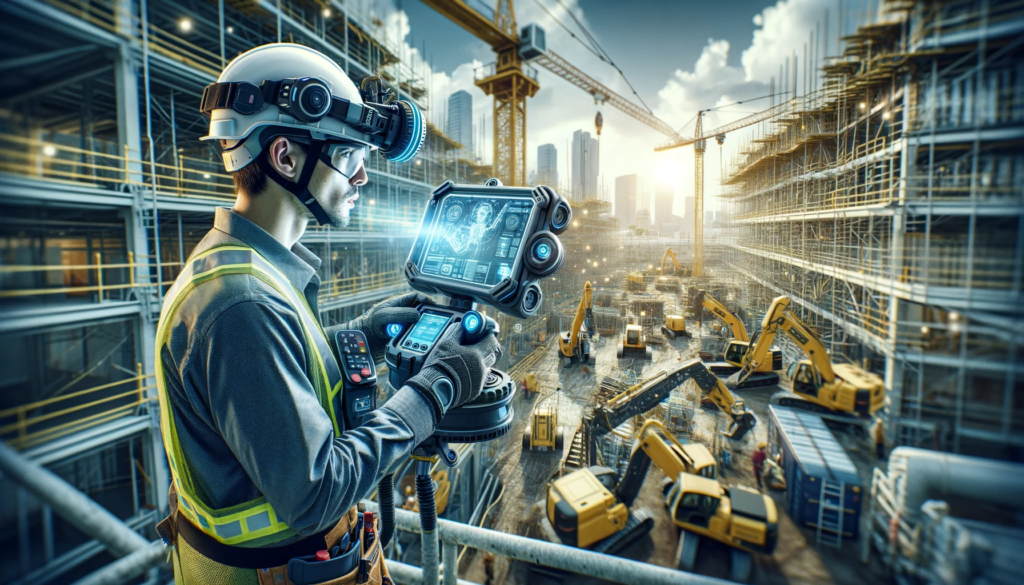
With the rise of BIM, drone imaging, digital layout tools, and automated machinery, employers increasingly seek candidates comfortable with technology — even for field positions.
Reliability, Work Ethic & Safety Mindset
Attendance, punctuality, and adherence to safety procedures remain top priorities. Employers emphasize workers who demonstrate situational awareness and a commitment to safe job-site practices.
Adaptability & Willingness to Learn
Metal construction evolves quickly with new materials, fastener systems, and advanced building envelopes. Workers who embrace continual learning stand out.
Communication & Team Skills
Effective collaboration between installers, engineers, project managers, and fabricators improves job flow and reduces errors—qualities employers value highly.
Problem-Solving Skills
Field conditions change daily. Employers look for workers who can troubleshoot, adjust, and maintain productivity without compromising safety.
Look Ahead: Employment Trends and METALCON’s Role
At METALCON 2025 in Las Vegas, economist Alex Chausovsky of The Bundy Group delivered a compelling keynote on navigating the next phase of economic and industrial transition. While he emphasized the continued dominance of the U.S. economy — now over $30 trillion, representing more than a quarter of global GDP — he forecasted a flat economy in 2026, shaped by elevated interest rates and slowed investment.
“The key takeaway for 2026 is to maintain profitability and make sure you have money to reinvest back into the business,” he said. When asked how companies can prepare, he offered two options: “Increase prices or increase your market share.”
Chausovsky also stressed that employee retention will be critical, and he underscored the essential role of legal immigration in sustaining the labor force. Without meaningful progress, he warned, workforce shortages could intensify as early as 2027.
For more insights, take a deeper dive into the industry coverage of Chausovsky’s keynote in “Leading Economist Shared Insights on Moving from Uncertainty to Complexity at METALCON 2025.“
As labor markets tighten and economic conditions shift, staying informed and adaptable will be essential for contractors, educators, and emerging professionals across the metal construction sector. Workforce development, competitive compensation, and strong retention strategies will shape how companies navigate the years ahead. Despite the complexities at play, the metal construction industry remains strong, adaptable, and forward-looking. As the industry continues to evolve, METALCON will remain a hub for insights, innovation, and the connections needed to build a resilient workforce for the future. Stay engaged with METALCON Online throughout the year with live and on-demand webinars, and make plans now to join us in Orlando for METALCON 2026, October 7–9, 2026.