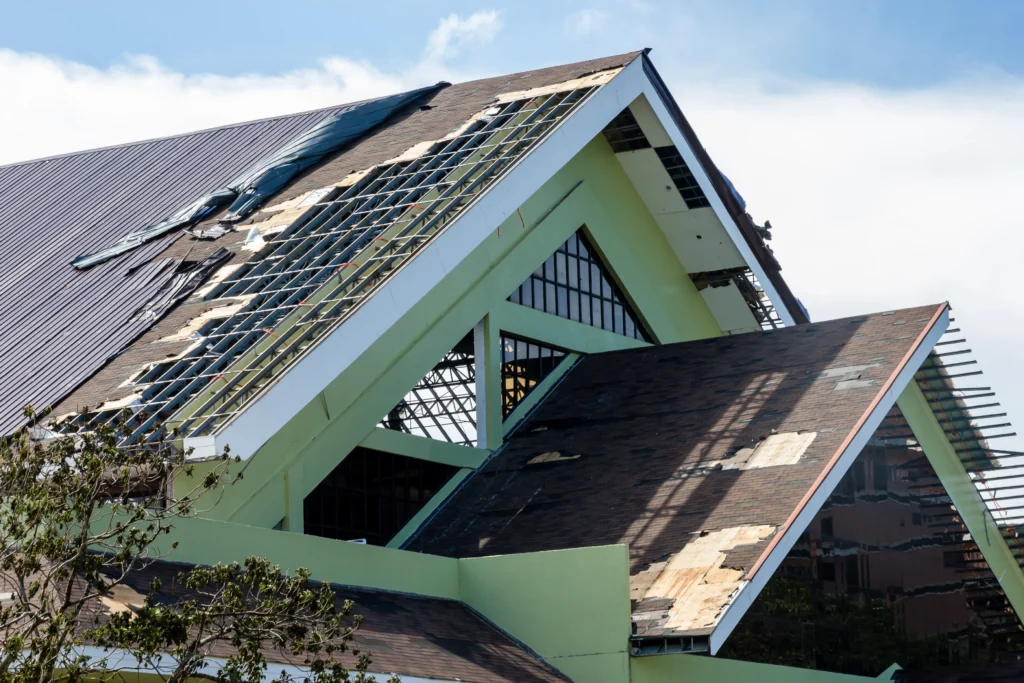
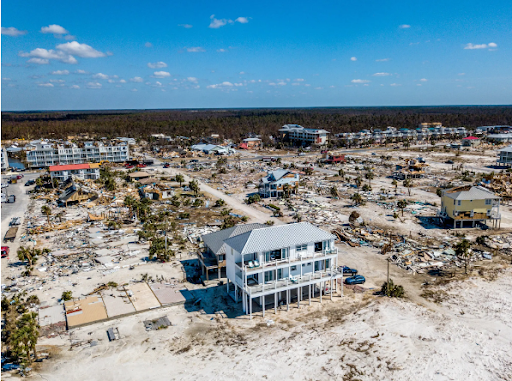
When it comes to the durability and reliability of metal roofing systems, wind load resistance is a critical factor that can significantly influence performance. High winds can pose a severe threat to the integrity of a roof, making it essential for architects, builders, and homeowners to understand how wind load impacts metal roofing systems and what can be done to enhance their resistance.
Metal roofing design and installation can be complex, and contractors, designers, and homeowners must pay attention to many small details, from local codes and regulations to adequate testing standards for your products. How to properly account for the different wind pressures your roof can encounter and to make sure your roof is installed properly to withstand them the best way possible is what we will explore in today’s blog. Additionally, learn more about this topic from leading experts at METALCON 2025!
What is Wind Load Resistance?
Wind load refers to the pressure exerted by the wind on a structure. It is a critical consideration in the design and construction of buildings, especially in areas prone to high winds, hurricanes, or tornadoes. Wind load can act in several ways:
- Uplift Pressure: Wind passing over the roof can create uplift pressure, attempting to lift the roof off the building.
- Lateral Pressure: Wind striking the side of a building can push against the walls and roof, causing lateral movement.
- Suction: Wind blowing across the roof can create suction forces that pull the roofing material away from the structure.
How Strong of a Wind can a Metal Roof Withstand?
The strength of wind that a metal roof can withstand varies depending on several factors, including the design, materials used, installation quality, and specific wind load requirements for the area. However, properly designed and installed metal roofs are known for their high wind resistance.
Many standard metal roofing systems are designed to withstand wind speeds of up to 140 mph. This is typically sufficient for most residential and commercial buildings in areas that do not experience extreme weather conditions. However, in regions prone to hurricanes, tornadoes, or other severe wind events, metal roofs can be engineered to resist higher wind speeds, often exceeding 160 mph. Some specialized systems are even rated to withstand winds of up to 180 mph or more.
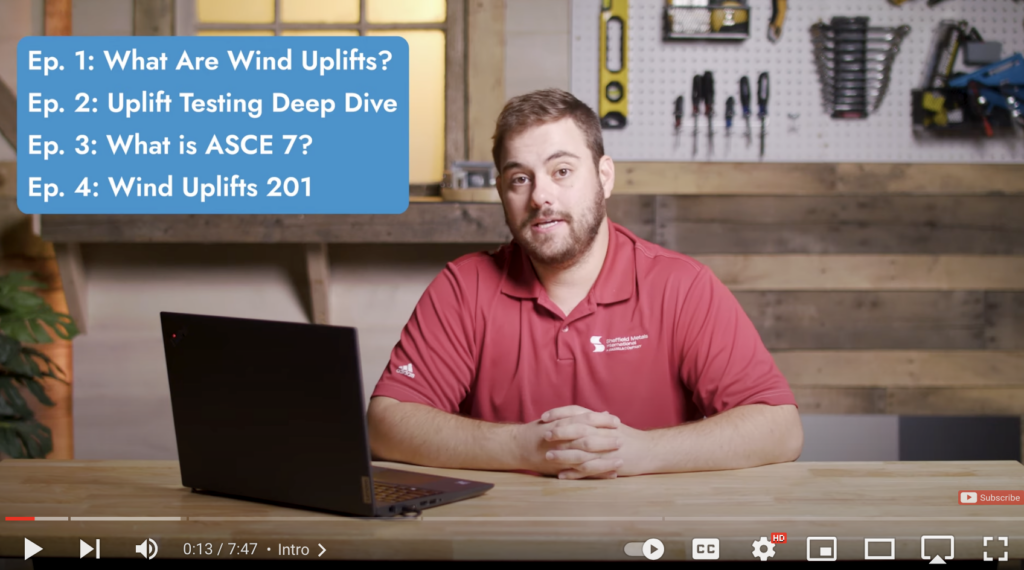
Check out this series of informative videos provided by Sheffield Metals, a leader in the distribution of coated and bare metal products, as well as engineered standing seam metal roof (SSMR) & wall systems. CLICK HERE TO WATCH Episode 1 explaining what wind uplifts are and how wind affects metal roofing. (Sheffield Metals will be exhibiting at METALCON in Booth #4033).
Factors Influencing Wind Resistance
Roof Design
- Roof Slope: Steeper slopes generally provide better wind resistance by reducing the uplift forces.
- Profile and Seam Design: Certain profiles, such as standing seam designs, offer superior wind resistance. Interlocking panels and concealed fasteners also enhance performance.
Materials
- Metal Type: Stronger metals like steel and aluminum are preferred for high-wind resistance. Thicker gauges of metal can also improve durability.
- Coatings and Finishes: Protective coatings can prevent corrosion and maintain the structural integrity of the roof over time.
Installation
- Fastening Systems: The type, quality, and spacing of fasteners are crucial. Properly spaced and high-quality fasteners prevent panels from detaching under high wind pressures.
- Sealing and Flashing: Proper sealing and flashing techniques prevent wind-driven water from penetrating the roof, which can lead to structural weakening.
How is Wind Load Resistance Tested?
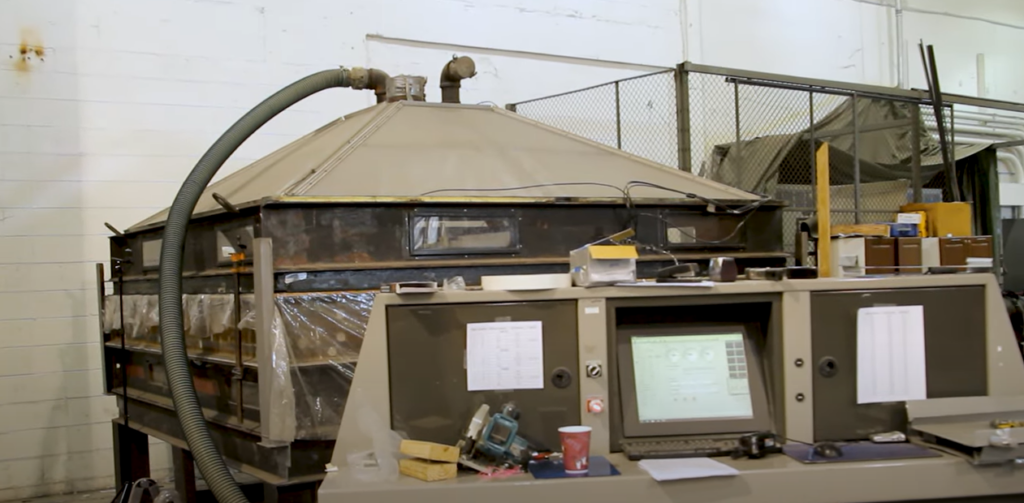
Wind uplift testing is especially important, as it lets you know how much force a particular roof can withstand and how it will hold up in certain environments. Without understanding how to apply wind uplift testing data to your project, you may expose your metal roof installation to safety hazards and inept products.
A wind uplift test measures how much wind pressure a roof can withstand. Some of these tests may be designed to take a roof to failure, while some will measure a roof at a certain pressure to see how it holds up.
The key purpose of a wind uplift test is to ensure that a roof meets the minimum safety requirements for a particular area. It will inform manufacturers, suppliers, designers, building owners, and homeowners about the durability of their roofs in relation to wind pressure.
It’s important to look at the right products for your metal roof — ones that are rigorously tested for wind uplift and can reliably last in the future.
Learn From the Experts at METALCON – Register for METALCON’s Metal Roofing Education Sessions!
Who wouldn’t want to learn from the best! The industry’s “best of the best” will be teaching at METALCON. Attend the following educational sessions to learn more about wind load resistance and testing from leading experts working in the field:
Stronger Structures, Safer Assets: The Value of Metal in Extreme Weather Zones
Our world is facing increasingly severe weather—from fast-moving wildfires to intense hurricane seasons and beyond. Property owners and managers are urgently seeking resilient solutions to mitigate these growing threats. The Insurance Institute for Business & Home Safety (IBHS) has developed the Wildfire Prepared Neighborhood Technical Standard to help communities proactively address extreme weather risks. Drawing from fire science, building codes, and real-world case studies, this new standard outlines best practices to improve community-wide resistance. A key focus is roofing materials, particularly performance ratings under ASTM E108 and UL 790. Metal roofing stands out as the Class A standard for fire resistance—but its benefits don’t stop there. Metal roofing is highly effective in withstanding hail, high winds, and heavy snow loads, making it one of the most durable and weather-resilient options available. This session will explore how metal roofing plays a critical role in protecting structures and communities in the era of climate extremes.
A Case for Removing Wood Blocking
This session focuses on the use—and more importantly, the removal—of organic construction members (commonly known as “wood blocking”) in steel-structured buildings, particularly those with metal roof deck assemblies, regardless of exterior cladding or roof slope. The presenter will highlight the advantages of using inorganic materials, especially in terms of wind uplift resistance, building code compliance, and overall performance. Additionally, the session will address common challenges associated with wood blocking, including improper installation, lack of trade standards, insufficient quality control, and unclear assignment of responsibility on the jobsite.
Each of these sessions are eligible for 1 AIA LU HSW continuing education credit. These are just two education sessions included with your registration. In addition to learning from over 250 exhibitors, experience over 35 FREE education sessions delivered by the metal construction industry’s foremost experts.
METALCON 2025 is October 21 – October 23 at the Las Vegas Convention Center in Las Vegas, Nevada. For 30+ years, METALCON has been the only annual tradeshow devoted exclusively to the application of metal in construction and design. With its dynamic exhibit hall, interactive education sessions and access to the Who’s Who of the industry — attendees count on METALCON to deliver the innovations, solutions, tools and expertise they need to turbocharge their businesses through the application of metal in the building envelope.