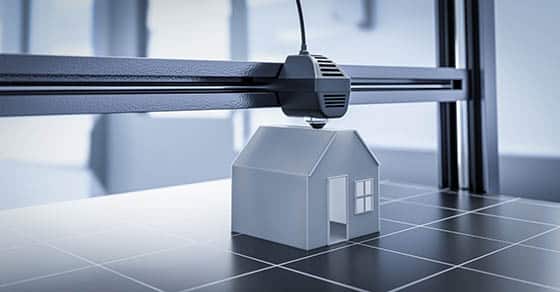
Moving beyond the world of prototypes and plastic models, today 3D printing is helping to reshape how we design, fabricate, and build with metal in the construction industry. From reducing material waste to enabling complex architectural forms, 3D printing is revolutionizing metal construction and paving the way for faster, smarter, and more sustainable building methods. As with most innovations, 3D printing in construction has faced its share of skepticism — but today, it’s clear this technology is more than a passing trend. With a growing list of successful projects and long-term business advantages, 3D printing is quickly becoming a cornerstone of future-forward building, especially in the world of metal construction.
How 3D Printing is Used in the Construction Industry
1. Metal Component Fabrication

3D printing enables the precise creation of custom metal parts — brackets, joints, fasteners, and even entire structural components. The most common metals used in 3D printing are aluminum, stainless steel, titanium, copper and nickel-based alloys. This method is particularly valuable for projects that require non-standard or complex geometries that would be difficult or expensive to produce using traditional methods.
2. Modular Building Elements
Additive manufacturing is used to print modular metal components off-site and deliver them to the job site ready for assembly. This saves time, improves consistency, and reduces waste—benefits that are especially appealing in today’s fast-paced construction environment.
3. Restoration and Retrofitting
Historic restoration projects often require parts that are no longer manufactured. 3D printing can replicate legacy parts for renovations or restoration projects, including unique decorative or functional metal features that are no longer available through conventional manufacturing.
The Future of 3D Printing in Metal Construction
1. Increased Speed and Reduced Costs
As highlighted by ConstructConnect, the future of 3D printing lies in its ability to accelerate project timelines and drive down costs. In metal construction, this translates to dramatically faster fabrication of structural frames, facades, and roofing components. On-demand production also reduces reliance on supply chains, helping to minimize delays and keep projects on track.

2. Streamlining Supply Chains
As 3D printing becomes more accessible, on-demand fabrication will reduce dependence on traditional supply chains. Contractors and fabricators will be able to print needed parts on-site or locally, minimizing delays due to shortages or shipping.
3. Enhancing Design Freedom and Innovation
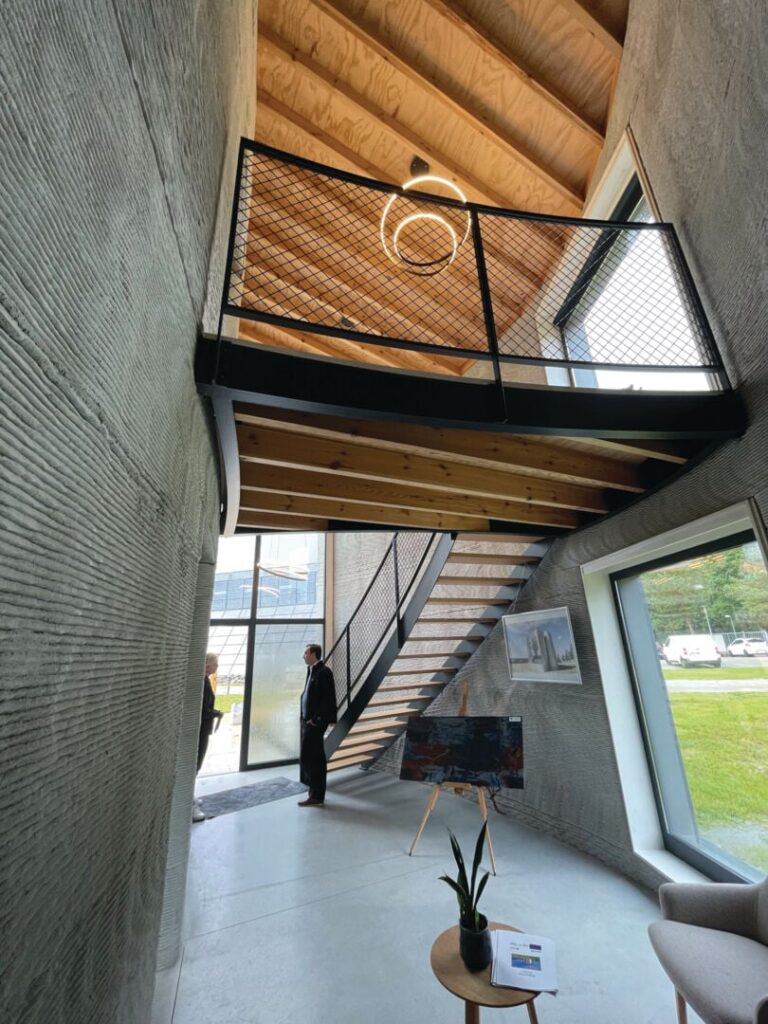
3D printing empowers architects and engineers to push the limits of form and function. Complex metal latticework, curved façades, and lightweight trusses can be fabricated more efficiently and with enhanced structural performance. As ConstructConnect puts it, “With 3D printing, if you can dream it, you can make it. You can create any shape or angle, opening the door to new creative designs.”
4. Sustainability and Material Efficiency
3D printing produces far less waste than subtractive methods. As sustainability becomes a higher priority, additive manufacturing will support greener construction by using only the necessary material and incorporating recycled metals into the process.
Stay Current on 3D Printing in Metal Construction with METALCON
As 3D printing technology continues to evolve, METALCON remains at the forefront of innovation in metal construction. If you’re intrigued by how 3D technologies like modeling and printing are reshaping metal construction, don’t miss METALCON 2026, scheduled for October 7 – 9 at the Orange County Convention Center in Orlando, Florida. From inspiring keynotes to hands-on training to over 35 free educational sessions, learn from the best in the industry.
Be there to witness the synergy of design, technology, and metal craftsmanship—only at METALCON. Sign up to receive show updates.