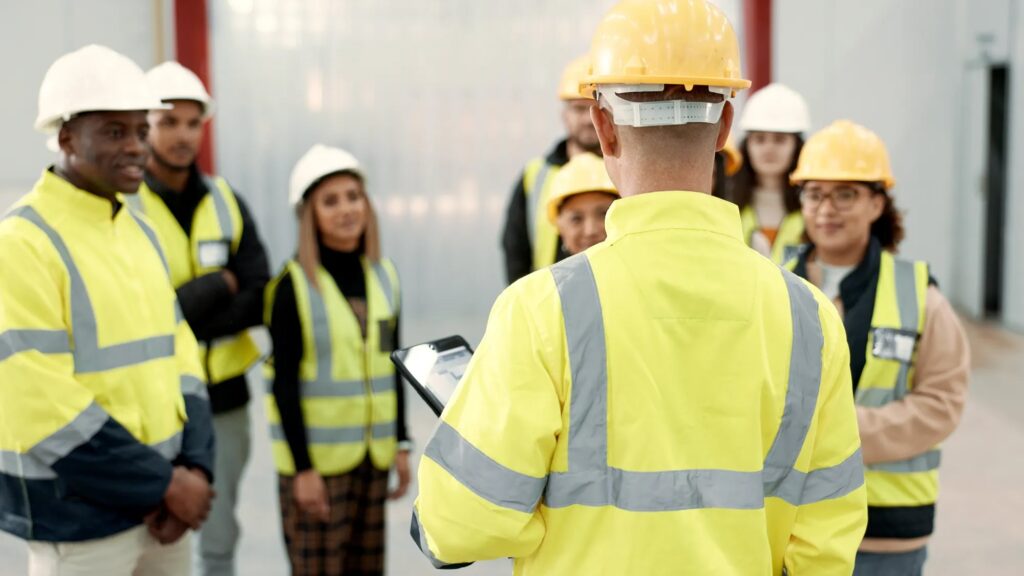
As the metal construction industry continues to confront labor shortages, rising wages, and increasing pressure to retain skilled workers, companies are rethinking what it really means to protect their workforce and their bottom line. In our recent blog on 2025 labor rate trends, we explored the factors shaping the workforce landscape. Now, it’s equally important to understand how workers’ compensation —and the practices that influence it — affect productivity, profitability, and long-term business stability.
Workers’ compensation costs are rising nationwide, and for metal construction companies, claims severity and frequency can deeply affect budgets. Today, workers’ compensation is no longer simply a regulatory requirement — it’s a strategic area where companies can gain a meaningful competitive edge.
Understanding Workers’ Compensation in Metal Construction
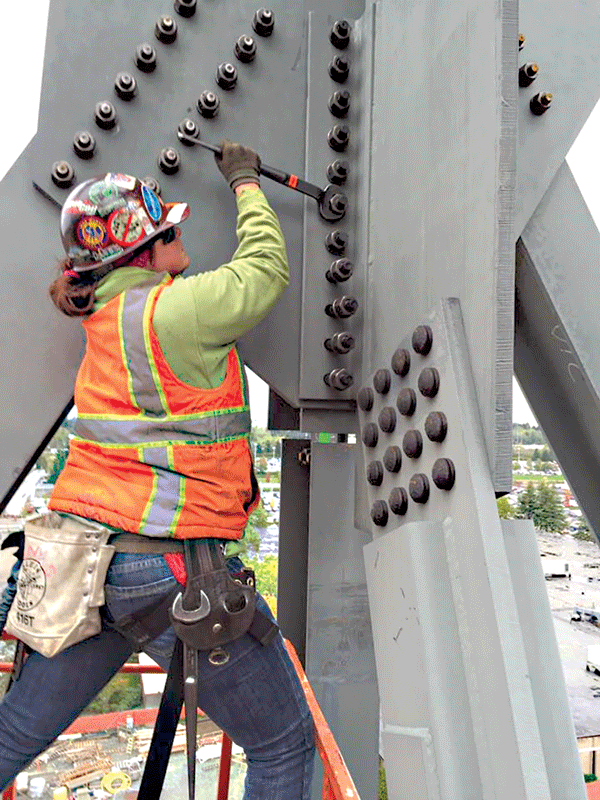
Workers’ compensation in metal construction is uniquely complex. Roofing, sheet metal, and related classifications rank among the highest-risk and highest-cost segments of the industry. In its most basic form, workers’ compensation is a type of insurance designed to cover medical expenses, lost wages, and rehabilitation costs for employees who experience work-related injuries or illnesses. According to varying sources, rates vary by state, but for many companies, estimate workers’ compensation can approach a third of payroll before taxes.
This cost is heavily influenced by claims history. Frequent or severe injuries don’t just trigger temporary premium increases — they can elevate rates for several years and negatively impact bidding competitiveness. With medical costs rising, recovery times lengthening, and workforce experience levels uneven, workers’ compensation is becoming an increasingly significant operational consideration.
How Workers’ Compensation Impacts Every Role
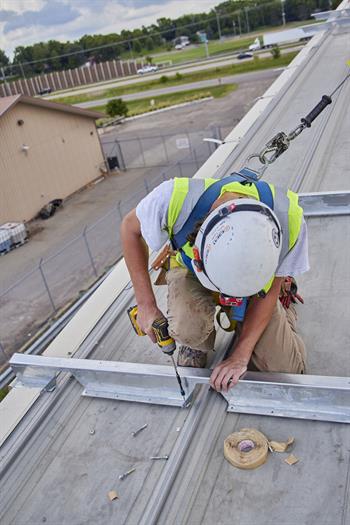
Workers’ compensation affects far more than a company’s safety department. The impact extends across the organization:
- Owners and executives feel it in overall profitability, insurance premiums, and competitive positioning.
- Project managers and superintendents experience the scheduling consequences: lost workdays, delays, and reduced productivity.
- HR and workforce development teams value the connection between injury prevention and employee retention and morale.
- Estimators and business development teams know how EMR (Experience Modification Rate) influences bid competitiveness and client perception.
- Field crews are directly affected by safety culture, training, communication, and leadership’s commitment to their wellbeing.
Strong workers’ compensation practices support every level of the business, reinforcing both operational efficiency and workforce stability.
Why Workers’ Compensation Deserves Your Attention
With labor costs rising and workforce availability tightening, preventing injuries — and preventing claims— is essential. When managed proactively, a strong workers’ compensation program provides several major benefits:
- Lower premiums and improved EMR, reducing a significant cost burden.
- Better bid competitiveness, especially for clients who scrutinize safety records.
- Fewer disruptions from lost workdays, meaning projects stay on schedule.
- Higher morale and retention, since employees stay longer when they feel protected.
- More predictable financial performance, as injuries and claims become less disruptive.
Companies that invest early in prevention and communication often see measurable improvements in cost control and workforce outcomes.
The State of Workers’ Compensation in Construction Today

Across the construction sector, several emerging trends are shaping workers’ compensation exposure heading into 2026:
- Claims are becoming more severe nationwide, driven by rising medical costs, longer recovery periods, and increasingly complex treatments.
- Documentation and reporting expectations are tightening, with insurers and regulators scrutinizing accuracy, timeliness, and consistency more than ever.
- A younger and less experienced workforce is contributing to higher exposure, particularly in roofing and elevated work where hands-on skill and hazard awareness develop over time.
- Shifts in federal immigration policies are impacting workforce availability, leading some regions to experience greater labor turnover, fluctuating crew sizes, and more rapid onboarding — conditions that can increase injury risk when not paired with strong training and supervision.
- Subcontractor coverage verification is becoming a larger source of liability, as inconsistent coverage or misaligned documentation creates unexpected exposure for general and prime contractors.
Together, these trends reinforce why workers’ compensation deserves focused attention as part of a company’s broader workforce, safety, and risk-management strategy.
Simple Ways Companies Can Strengthen Safety Culture
Here are some foundational steps any companA strong safety culture is one of the most effective ways to reduce workers’ compensation exposure. Here are practical steps any metal construction company can prioritize:

- Consistent, clear communication about expectations and safety priorities. A safety-first culture depends on daily reinforcement — from pre-task plans to toolbox talks.
- Regular training and refreshers, adapted for new workers and changing jobsite conditions. With more workforce turnover and younger workers entering the field, skills-based training is more important than ever.
- Accurate, timely incident and near-miss reporting. Even small issues can reveal patterns that help prevent larger claims down the road.
- Active involvement from field leadership. Supervisors and foremen should model correct PPE use, enforce protocols consistently, and engage crews in real-time hazard recognition.
- Verification of subcontractor coverage and alignment on safety procedures. Clear documentation and shared expectations help prevent gaps that turn into costly claims.
- Encourage a “see something, say something” environment. When workers feel empowered to speak up, hazards are identified earlier—and claims are avoided.
- Use technology to spot and prevent risks. Wearable devices, drone inspections, and digital reporting tools can help identify hazards, streamline documentation, and support early claim intervention.
- Analyze injury data to refine processes. Modern reporting platforms make it easier to monitor trends and adjust training, equipment, or workflow before incidents escalate.
These foundational elements not only strengthen safety culture—they directly reduce the likelihood, severity, and cost of workers’ compensation claims.
Get Expert Insights with METALCON’s Upcoming Webinar
For companies ready to take the next step, METALCON Online and the National Roofing Contractors Association (NRCA) will present an in-depth session focused on workers’ compensation in metal construction (FREE):
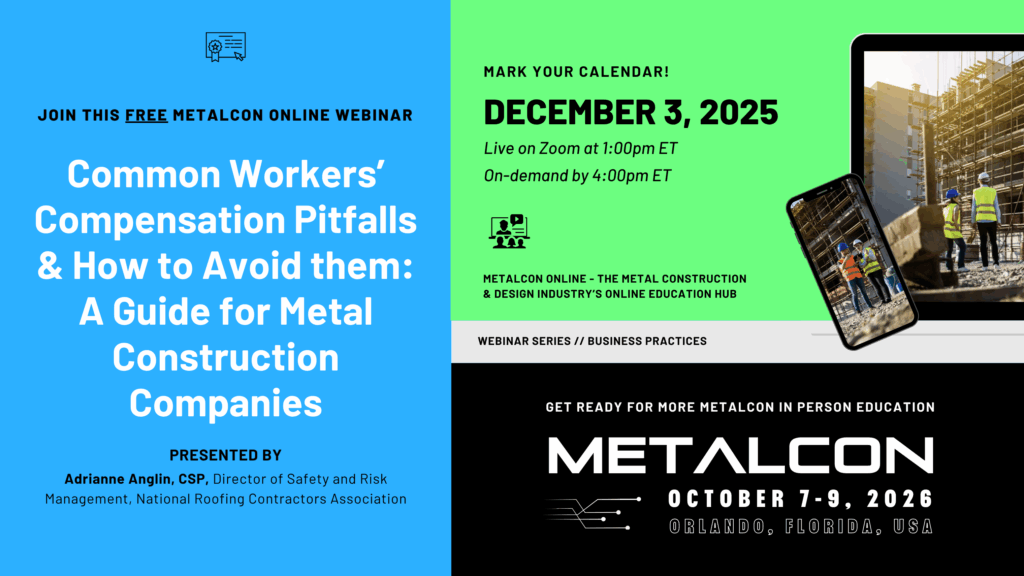
What: Common Workers’ Compensation Pitfalls & How to Avoid Them: A Guide for Metal Construction Companies
When: December 3, 1 PM EST
Who: Presented by: Adrianne Anglin, CSP, Director of Safety and Risk Management, NRCA
This session will help you:
- Identify emerging workers’ compensation trends
- Apply proactive injury-prevention strategies
- Understand common pitfalls and how to mitigate them
- Recognize how claims severity affects the bottom line
Designed for professionals with moderate to advanced knowledge, the webinar will provide the detailed frameworks and strategies that complement the foundational insights outlined in this article.
Conclusion
As the industry navigates rising labor costs, evolving jobsite risks, and growing pressure to retain skilled workers, now is the time for metal construction companies to reassess and strengthen their approach to workers’ compensation. A well-managed program does more than control premiums — it signals to your workforce that their safety and well-being come first. When employees feel protected and supported, they’re more likely to stay engaged, invest in their skills, and remain with your company long term. In a competitive labor market, that stability matters. By prioritizing proactive risk management and a culture of care, metal construction companies can safeguard both their people and their profitability.